




- sagi habasov
- •
- 7 Min Read
- •
- 7 seconds ago


Key Points
- Disruptions to LNG shipments through the Strait of Hormuz have removed a substantial share of global supply from the market, intensifying competition between European and Asian buyers.
- Damage to Qatar’s export infrastructure has compounded shipping constraints, while increased production from the United States and other suppliers has only partially offset lost Gulf volumes.
- Low European gas inventories and uncertainty over the recovery of Middle Eastern exports could keep prices elevated and delay the expected wave of new LNG supply.
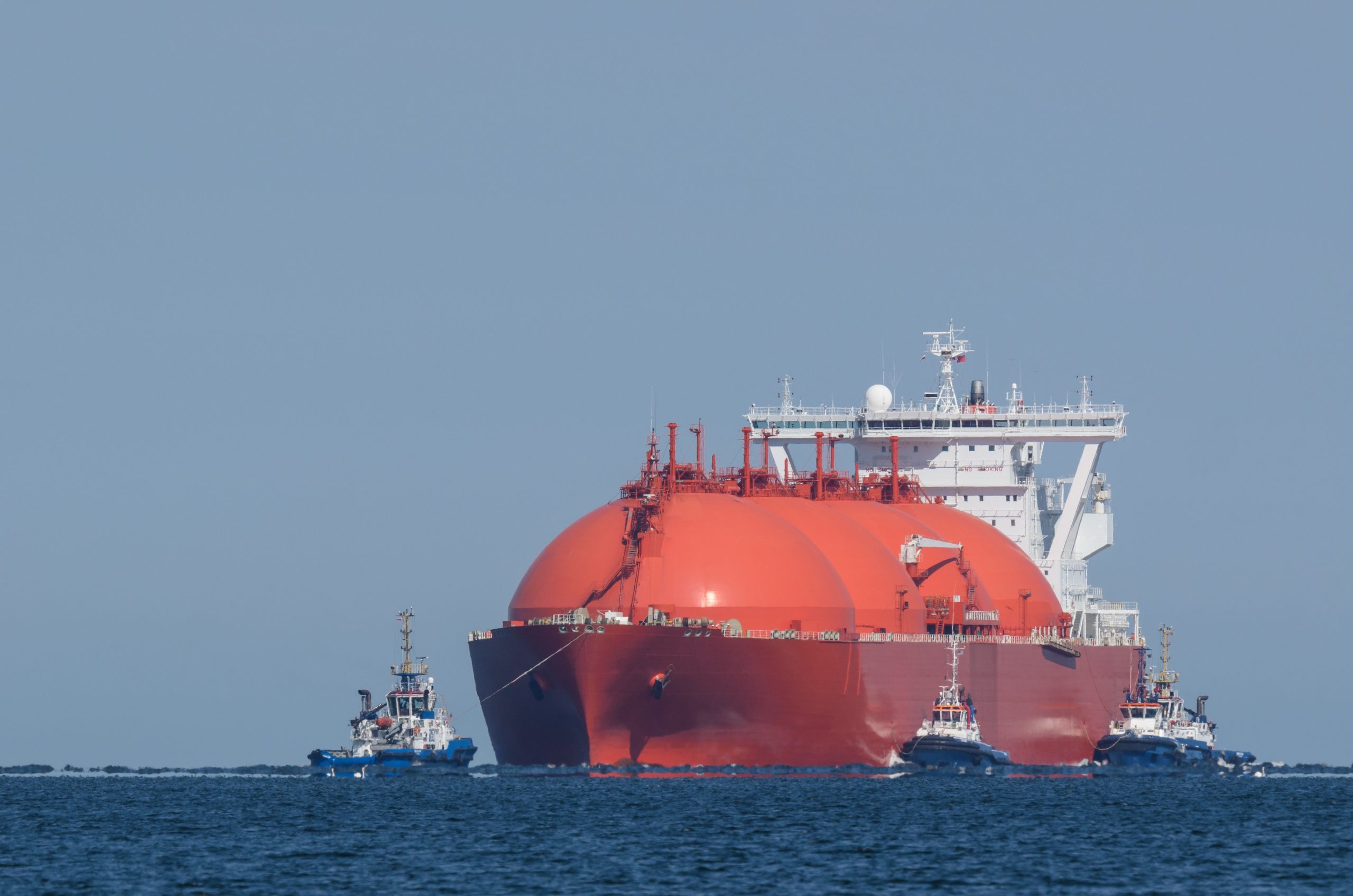
The disruption of liquefied natural gas (LNG) exports from the Middle East is reshaping global gas markets, turning a period of expected supply growth into one marked by scarcity, price volatility and competition for available cargoes. Restrictions on shipping through the Strait of Hormuz, combined with damage to export infrastructure in Qatar, have reduced the availability of Gulf LNG just as Europe and Asia prepare for the winter demand season.
Strait of Hormuz Disruptions Tighten Global Supply
The Strait of Hormuz has been a critical route for international LNG trade, carrying shipments from major Gulf exporters, including Qatar. The effective disruption of traffic through the waterway since early March 2026 removed close to 20% of global LNG supply from normal market circulation, according to the International Energy Agency (IEA). Although transit activity has increased since the interim agreement between the United States and Iran in June, flows remain well below pre-conflict levels.
The problem extends beyond shipping. Iranian strikes damaged Qatar’s Ras Laffan export complex, eliminating an estimated 17% of the country’s LNG export capacity. Qatar’s shipments fell sharply, and exports in September reached only a fraction of their pre-conflict levels. Because LNG facilities require specialized equipment and complex operating procedures, restoring production cannot happen immediately even if shipping conditions improve. The result is a supply shock with implications that may persist beyond the immediate security crisis.
Europe and Asia Compete for Available Cargoes
The loss of Gulf supply has intensified competition between European and Asian importers. Europe enters the winter with unusually low gas inventories, while Asian buyers must balance energy security against the cost of purchasing LNG on the spot market. The IEA reported that second-quarter 2026 average prices rose year over year by 32% at Europe’s TTF benchmark, to nearly $16 per million British thermal units, and by 45% in Asia, to $17.50.
Higher prices are encouraging buyers to conserve energy, switch fuels where possible and reconsider procurement schedules. Cargoes that can be redirected between regions may move toward whichever market offers the strongest price premium. However, shipping availability, contract terms and delivery times limit how quickly supply can respond, leaving import-dependent economies exposed to further volatility.
Alternative Supply Helps, but Recovery Remains Uncertain
Producers outside the Gulf have increased output, particularly in North America and Africa. Between March and June, non-Gulf LNG production rose by almost 18% year over year, partly offsetting reduced deliveries from Qatar and the United Arab Emirates. Yet global LNG production still declined over the period, illustrating the difficulty of replacing large volumes of supply in a short time.
The disruption could also delay the market relief expected from new LNG projects later this decade. Damage to Qatari infrastructure and uncertainty surrounding the expansion of export capacity have weakened the medium-term supply outlook. For energy companies, this creates opportunities for alternative exporters but also raises costs and operational risks across the value chain.
Investors and policymakers will be watching the restoration of Hormuz shipping, repairs at Qatar’s export facilities, European storage levels and the pace of new LNG production. A sustained improvement in regional security could ease price pressure, but a prolonged disruption would leave global markets vulnerable to renewed price spikes and intensify the search for diversified energy supplies.
Comparison, examination, and analysis between investment houses
Leave your details, and an expert from our team will get back to you as soon as possible
* This article, in whole or in part, does not contain any promise of investment returns, nor does it constitute professional advice to make investments in any particular field.
To read more about the full disclaimer, click here
- omer bar
- •
- 7 Min Read
- •
- ago 6 minutes
SKN | Guyana Oil Exports Set to Exceed 1 Million Barrels a Day, Boosting Global Supply
Guyana is approaching a milestone that could reshape its role in the global oil industry, with crude exports expected to
- ago 6 minutes
- •
- 7 Min Read

Guyana is approaching a milestone that could reshape its role in the global oil industry, with crude exports expected to

- Lior mor
- •
- 6 Min Read
- •
- ago 2 hours
SKN | Saudi Arabia Drives OPEC+ Production Higher Despite Iran War Disruptions
OPEC+ sharply increased oil production in September despite continued disruption to shipments through the Strait of Hormuz caused by
- ago 2 hours
- •
- 6 Min Read
OPEC+ sharply increased oil production in September despite continued disruption to shipments through the Strait of Hormuz caused by

- Ronny Mor
- •
- 6 Min Read
- •
- ago 3 hours
SKN | Oil Prices Settle Mixed as Russia Diesel Supply Hopes Offset Gulf Supply Risks
Oil prices finished mixed on Tuesday as markets weighed the prospect of additional Russian diesel supplies against renewed geopolitical risks
- ago 3 hours
- •
- 6 Min Read

Oil prices finished mixed on Tuesday as markets weighed the prospect of additional Russian diesel supplies against renewed geopolitical risks
- Ronny Mor
- •
- 6 Min Read
- •
- ago 10 hours
SKN | Oil Prices Could Rise Another $25 as Iran Conflict Raises Global Supply Risks
Oil markets are entering another uncertain period as the conflict involving Iran continues to influence expectations for global
- ago 10 hours
- •
- 6 Min Read

Oil markets are entering another uncertain period as the conflict involving Iran continues to influence expectations for global
