




- omer bar
- •
- 6 Min Read
- •
- 18 hours ago


Key Points
- Equity trading revenue reached $5.8 billion in the third quarter, rising nearly 41% from a year earlier.
- Investment banking revenue increased 2%, supported by advisory roles and M&A fees despite broader market uncertainty.
- Wealth management recorded $232 billion in new assets, with IPO-related inflows contributing to a record quarter.
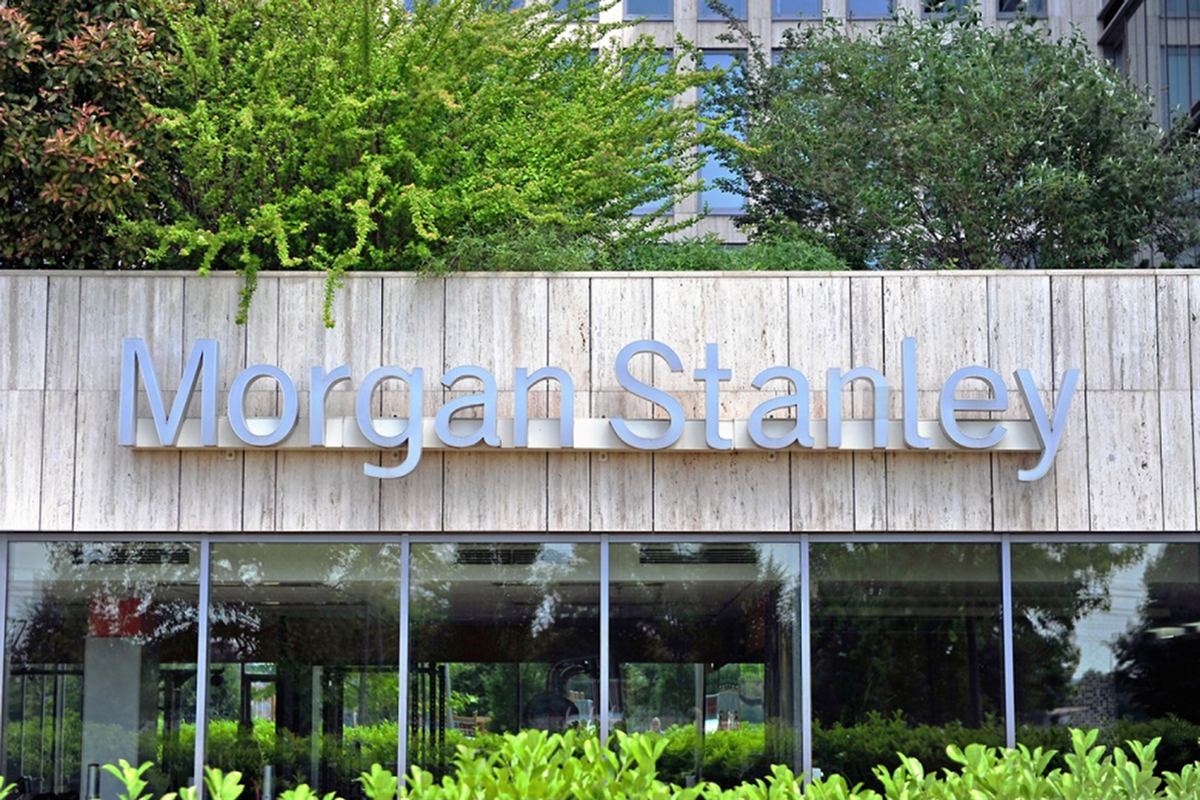
Morgan Stanley beat third-quarter profit estimates on Wednesday as market volatility surrounding interest-rate decisions and the U.S.-Iran war generated stronger trading activity. The results highlight how elevated market uncertainty can simultaneously pressure investors while creating opportunities for major financial institutions with diversified trading, investment banking and wealth management operations.
Equity Trading Leads Quarterly Performance
The strongest contribution came from Morgan Stanley’s equities business, where revenue reached $5.8 billion, representing a nearly 41% increase from the same period a year earlier. Market turbulence encouraged investors to realign portfolios, increasing trading volumes and supporting revenue across the bank’s trading desks.
The performance demonstrates the importance of trading activity to major investment banks during periods of heightened market movement. Interest-rate decisions and geopolitical tensions can produce greater volatility across equities, prompting institutional investors and other market participants to adjust exposures more frequently.
Investment Banking Maintains Positive Momentum
Morgan Stanley’s investment banking business also contributed to the stronger quarterly performance. Investment banking revenue rose 2% in the third quarter, with advisory roles and M&A fees helping support income.
The increase is notable because investment banking activity remains sensitive to economic uncertainty and corporate confidence. The ability to generate higher revenue despite those conditions suggests that advisory and transaction activity remained sufficiently resilient during the quarter to complement the strength of the trading business.
Wealth Management Benefits From IPO-Related Inflows
Another important development came from Morgan Stanley’s wealth management operations. The division received $232 billion in new assets, with inflows related to initial public offerings contributing to a record level of new assets during the quarter.
The asset inflows provide a different source of strength from trading revenue. While trading performance can fluctuate significantly with market volatility, wealth management growth can strengthen the bank’s broader asset base and deepen relationships with clients. The IPO-related flows also demonstrate how activity in capital markets can extend beyond underwriting and trading into longer-term wealth management relationships.
Market Volatility Remains a Key Earnings Driver
Morgan Stanley’s results underline the increasingly important role of market volatility in the earnings performance of global financial institutions. Volatility associated with monetary-policy decisions and geopolitical developments increased trading activity, benefiting equity desks even as uncertainty created challenges for investors and businesses.
Going forward, the sustainability of Morgan Stanley’s earnings momentum will depend on whether elevated trading activity persists and whether investment banking conditions continue to improve. Investors will also monitor the pace of wealth-management asset inflows, particularly those connected to IPO activity. The balance between trading-driven revenue, corporate dealmaking and recurring wealth-management growth will remain important in assessing the bank’s performance as global markets navigate changing interest-rate expectations and geopolitical risks.
Comparison, examination, and analysis between investment houses
Leave your details, and an expert from our team will get back to you as soon as possible
* This article, in whole or in part, does not contain any promise of investment returns, nor does it constitute professional advice to make investments in any particular field.
To read more about the full disclaimer, click here
- Ronny Mor
- •
- 6 Min Read
- •
- ago 25 minutes
SKN | Wall Street Banks Face Capital Markets Lull After Strong First Half of 2026
Wall Street’s largest banks are entering the second half of 2026 with a more cautious capital-markets backdrop after a
- ago 25 minutes
- •
- 6 Min Read

Wall Street’s largest banks are entering the second half of 2026 with a more cautious capital-markets backdrop after a

- sagi habasov
- •
- 6 Min Read
- •
- ago 25 minutes
SKN | Market Selloff and Rising Rates Put AI Data Centre Deal Boom to the Test
A global market selloff is creating a tougher financing environment for companies building the infrastructure required to support artificial
- ago 25 minutes
- •
- 6 Min Read

A global market selloff is creating a tougher financing environment for companies building the infrastructure required to support artificial

- Lior mor
- •
- 6 Min Read
- •
- ago 17 hours
SKN | TSMC Heads for Sixth Straight Record Profit as AI Chip Demand Surges
TSMC is expected to extend its record earnings streak on Thursday as accelerating artificial intelligence infrastructure investment continues to drive
- ago 17 hours
- •
- 6 Min Read

TSMC is expected to extend its record earnings streak on Thursday as accelerating artificial intelligence infrastructure investment continues to drive
- Ronny Mor
- •
- 6 Min Read
- •
- ago 17 hours
SKN | U.S. Banks See Bond Trading Weaken as Interest Rate Volatility Disrupts Markets
A sharp selloff across global bond markets has begun to affect Wall Street bank earnings, with several major institutions
- ago 17 hours
- •
- 6 Min Read

A sharp selloff across global bond markets has begun to affect Wall Street bank earnings, with several major institutions
