




- orshu
- •
- 7 Min Read
- •
- 1 minute ago


Key Points
- ECB Chief Economist Philip Lane said there has been no significant wage response to the latest energy-driven inflation surge, reducing immediate concerns about a wage-price spiral.
- Eurozone inflation reached 3.3% in August, while energy inflation accelerated to 14.3%, putting renewed pressure on the ECB's policy outlook.
- Low European gas inventories remain a key risk, with storage around 70% full, well below the historical average and potentially exposing the region to further energy-price volatility.
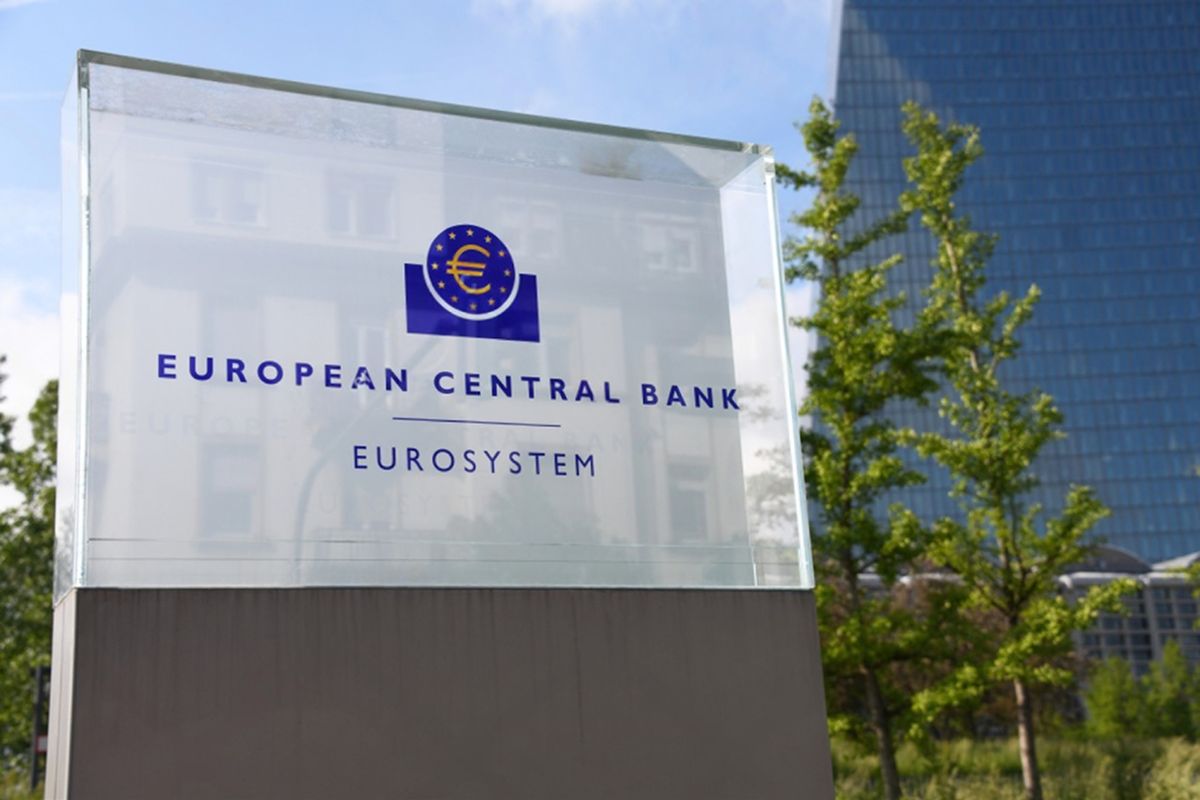
The European Central Bank is seeing limited evidence that this year’s sharp energy-price shock is translating into significantly higher wages, according to Chief Economist Philip Lane. The assessment offers some relief on the risk of a broader wage-price spiral, but inflation above 3%, elevated energy costs and depleted gas inventories continue to complicate the ECB’s policy outlook.
Wages Have Yet to Follow the Energy Shock
Lane said the ECB was not seeing a “big response” in wages to the latest increase in energy costs, suggesting that workers and employers have so far avoided a broad acceleration in wage negotiations. He pointed to intense competition facing European companies, including pressure from Chinese manufacturers and the increasing availability of AI-driven automation, as factors that could limit employees’ ability to demand large pay increases.
The latest ECB data support that assessment. Compensation per employee grew 3.3% year on year in the second quarter, down from 3.5% in the first quarter, while growth in unit labor costs slowed to 2.6% from 3.5%. The ECB’s wage tracker points to negotiated wage growth of around 2.7% in the first half of 2027.
The absence of a major wage response matters because second-round effects are a key concern for central banks. If higher energy costs were followed by substantially higher wages, companies could face additional labor costs and pass them through to consumers, potentially making inflation more persistent.
Energy Inflation Remains the Main Pressure Point
While wage pressures remain contained, headline inflation has moved sharply higher. Eurozone inflation rose to 3.3% in August from 2.9% in July, while energy inflation accelerated to 14.3% from 10.3%. Inflation excluding energy and food, however, edged down to 2.4% from 2.5%, while services inflation declined to 3.0% from 3.3%.
This distinction is important for monetary policy. The current inflation increase remains heavily influenced by energy rather than a generalized acceleration in underlying prices. The ECB’s September projections anticipate headline inflation averaging 3.0% in 2026, 2.5% in 2027 and 2.1% in 2028, with inflation returning toward the 2% target around the end of 2027.
Markets Reassess the Path for ECB Rates
The energy shock has nevertheless pushed financial markets toward a more restrictive interest-rate outlook. Some market pricing has pointed toward another three or four ECB rate increases following the June and September moves. Lane said that once the additional risk premium embedded in market pricing is removed, the implied peak is only slightly above 3% next year, followed by declines toward the end of 2027. He characterized that as equivalent to roughly two additional hikes being priced into the underlying rate path.
ECB officials have emphasized that rate decisions will remain data-dependent rather than mechanically following changes in energy prices. President Christine Lagarde has also cautioned that the central bank will consider the broader effects of higher energy costs on consumption and economic activity.
Low Gas Stocks Keep the Inflation Risk Alive
The principal risk is that the energy shock lasts longer or becomes more severe. Lane said energy prices are currently tracking the ECB’s adverse scenario through the middle of 2027, while low natural gas inventories create an additional vulnerability.
European gas storage is around 70% full, roughly 16 percentage points below its historical average, according to the Reuters description. The ECB has separately warned that low storage levels could amplify the effects of future supply disruptions, particularly during a colder winter.
For investors, the key variables will be energy prices, wage settlements, inflation expectations and gas inventories. A continued absence of wage acceleration would support the view that the current inflation shock remains primarily energy-driven. A broader pass-through into wages, services and underlying prices, however, would create a more difficult policy environment and could keep European borrowing costs elevated for longer.
Comparison, examination, and analysis between investment houses
Leave your details, and an expert from our team will get back to you as soon as possible
* This article, in whole or in part, does not contain any promise of investment returns, nor does it constitute professional advice to make investments in any particular field.
To read more about the full disclaimer, click here
- omer bar
- •
- 7 Min Read
- •
- ago 1 minute
SKN | Dollar Nears Two-Month High as Fed Rate Hike Expectations and Inflation Risks Rise
The U.S. dollar advanced to a nearly two-month high on Wednesday as investors reassessed the Federal Reserve's interest-rate path
- ago 1 minute
- •
- 7 Min Read

The U.S. dollar advanced to a nearly two-month high on Wednesday as investors reassessed the Federal Reserve's interest-rate path

- Ronny Mor
- •
- 7 Min Read
- •
- ago 2 minutes
SKN | Inflation Pressures Raise Prospect of Another Fed Rate Hike Ahead of U.S. Elections
Rising inflation pressures and resilient U.S. economic activity are increasing the prospect of another Federal Reserve rate increase just
- ago 2 minutes
- •
- 7 Min Read

Rising inflation pressures and resilient U.S. economic activity are increasing the prospect of another Federal Reserve rate increase just
- omer bar
- •
- 6 Min Read
- •
- ago 11 minutes
SKN | U.S. 30-Year Treasury Yield Surges Above 5.4% as Bond Market Comes Under Renewed Pressure
Long-Term Treasury Yields Are Moving Higher The 30-year Treasury market experienced a significant selloff during the September 23 session. The
- ago 11 minutes
- •
- 6 Min Read

Long-Term Treasury Yields Are Moving Higher The 30-year Treasury market experienced a significant selloff during the September 23 session. The

- Arik Arkadi Sluzki
- •
- 7 Min Read
- •
- ago 53 minutes
SKN | Is 6% the New Threshold for U.S. Treasury Market Stress?
The 5% level on the benchmark U.S. 10-year Treasury yield was once regarded as a major psychological barrier for
- ago 53 minutes
- •
- 7 Min Read

The 5% level on the benchmark U.S. 10-year Treasury yield was once regarded as a major psychological barrier for
