




- Arik Arkadi Sluzki
- •
- 7 Min Read
- •
- 1 hour ago


Key Points
- The 10-year U.S. Treasury yield has moved above the 5% level, a threshold that historically has been associated with tighter financial conditions and pressure across global markets.
- Investors are now considering whether 6% could become the next major psychological level, although the market has not yet established that yield as a comparable stress threshold.
- A sustained move toward 6% would represent a major repricing across the roughly $29 trillion Treasury market, with implications for equities, borrowing costs and U.S. fiscal sustainability.
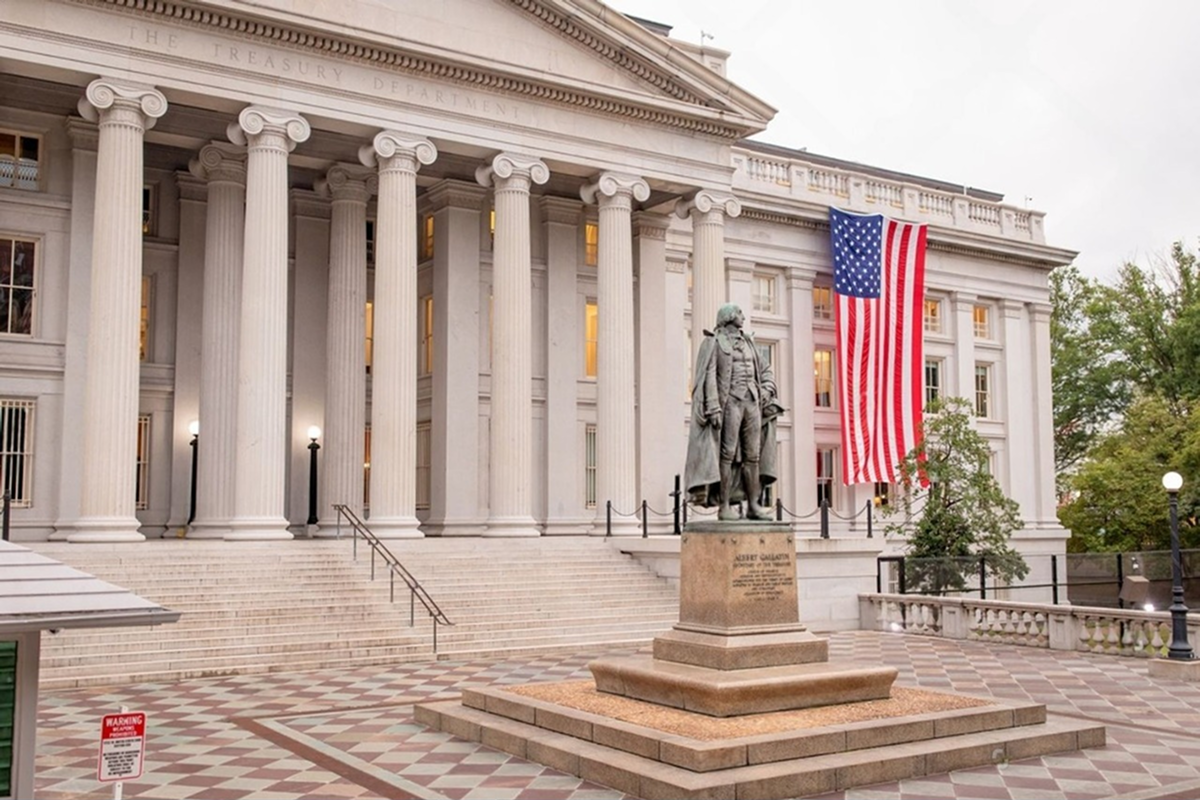
The 5% level on the benchmark U.S. 10-year Treasury yield was once regarded as a major psychological barrier for global markets. After yields briefly moved above that threshold this month, investors are increasingly asking whether 6% could become the next level capable of materially changing asset allocation, borrowing costs and perceptions of U.S. fiscal risk.
Five Percent Is Losing Its Shock Value
The latest rise marks an important shift in the bond market. The 10-year Treasury yield has exceeded 5% only briefly in recent decades, making the level a closely watched reference point for investors. Yet the initial move above 5% did not trigger the type of sustained market disruption that some investors had historically associated with the threshold.
Mike Bell, head of market strategy at BlueBay Asset Management, told Reuters that 5% should not be treated as a fixed trigger for market stress. Instead, the significance of any yield level depends on the broader economic environment, including growth, inflation expectations and the pace at which yields are rising.
That distinction matters because U.S. economic activity remains relatively resilient. The 10-year yield subsequently reached its highest level since 2007 on September 23 as stronger-than-expected business activity increased expectations that the Federal Reserve could maintain a restrictive policy stance for longer.
A Move Toward 6% Would Reprice Global Capital
The Treasury market is the foundation for pricing across much of the global financial system. A sustained move from 5% toward 6% would therefore represent more than a psychological milestone. It would imply a substantial increase in the benchmark cost of capital for households, corporations, governments and financial institutions.
Such a move could reflect several factors, including higher inflation expectations, concerns over the sustainability of U.S. government borrowing or expectations that interest rates will remain elevated for an extended period. Reuters noted that the roughly $29 trillion Treasury market anchors valuations across global financial assets, making a significant repricing particularly consequential.
Higher Treasury yields also increase the relative attractiveness of government bonds compared with riskier assets. At the same time, they feed into mortgage rates, corporate borrowing costs and other financing conditions, potentially affecting investment and economic activity.
Debt Supply Remains a Central Concern
One of the most important issues behind the yield increase is the scale of U.S. government borrowing. Investors have become increasingly sensitive to the amount of debt that must be absorbed by the market, particularly while economic growth remains resilient and inflation is above the Federal Reserve’s 2% target.
Recent Treasury buybacks have sought to improve liquidity in longer-dated securities, but the measures have not eliminated concerns about the government’s growing financing requirements. Reuters previously reported that even larger Treasury buybacks failed to fully reassure investors as yields remained elevated.
Markets Watch Whether 6% Becomes a Real Stress Point
For now, 6% remains a scenario rather than an established market threshold. The more important question is whether yields remain elevated long enough to materially tighten financial conditions. Paul Jackson of Invesco estimated that global stocks historically begin to weaken when the 10-year yield has averaged around 4.72% for 12 months and then rises, although the current 12-month average remains considerably lower.
Investors will therefore be monitoring the interaction between inflation, economic growth, Federal Reserve policy and Treasury issuance. A sustained rise toward 6% would represent a significant change in the global cost of capital, while a stabilization below that level could suggest that the recent bond-market repricing is being absorbed without a broader financial disruption.
Comparison, examination, and analysis between investment houses
Leave your details, and an expert from our team will get back to you as soon as possible
* This article, in whole or in part, does not contain any promise of investment returns, nor does it constitute professional advice to make investments in any particular field.
To read more about the full disclaimer, click here
- orshu
- •
- 7 Min Read
- •
- ago 19 minutes
SKN | ECB Sees Limited Wage Pressure Despite Surging Inflation, Keeping Rate Outlook in Focus
The European Central Bank is seeing limited evidence that this year's sharp energy-price shock is translating into significantly higher
- ago 19 minutes
- •
- 7 Min Read
The European Central Bank is seeing limited evidence that this year's sharp energy-price shock is translating into significantly higher

- omer bar
- •
- 7 Min Read
- •
- ago 19 minutes
SKN | Dollar Nears Two-Month High as Fed Rate Hike Expectations and Inflation Risks Rise
The U.S. dollar advanced to a nearly two-month high on Wednesday as investors reassessed the Federal Reserve's interest-rate path
- ago 19 minutes
- •
- 7 Min Read

The U.S. dollar advanced to a nearly two-month high on Wednesday as investors reassessed the Federal Reserve's interest-rate path

- Ronny Mor
- •
- 7 Min Read
- •
- ago 20 minutes
SKN | Inflation Pressures Raise Prospect of Another Fed Rate Hike Ahead of U.S. Elections
Rising inflation pressures and resilient U.S. economic activity are increasing the prospect of another Federal Reserve rate increase just
- ago 20 minutes
- •
- 7 Min Read
Rising inflation pressures and resilient U.S. economic activity are increasing the prospect of another Federal Reserve rate increase just

- sagi habasov
- •
- 7 Min Read
- •
- ago 20 minutes
SKN | Copper Could Be Gearing Up for a Rally as Key Resistance Comes Into Focus
Copper is approaching a potentially important technical inflection point after several months of gains and consolidation. According to Reuters'
- ago 20 minutes
- •
- 7 Min Read

Copper is approaching a potentially important technical inflection point after several months of gains and consolidation. According to Reuters'
