




- Ronny Mor
- •
- 7 Min Read
- •
- 9 minutes ago


Key Points
- The Trump administration is moving forward with plans to restrict imports of new Chinese optical transceiver models despite lobbying by Amazon, Google, Meta, Microsoft and other technology companies.
- China accounts for approximately two-thirds of the global optical transceiver market, creating potential supply-chain challenges for U.S. data center operators.
- New U.S. export controls on remote access to advanced computing infrastructure add another layer of complexity to the technology rivalry between Washington and Beijing.
The Trump administration’s efforts to limit China’s access to critical data center technology are advancing despite concerns from some of the largest U.S. technology companies. The policy debate highlights a growing tension between national security priorities and the commercial requirements of the artificial intelligence (AI) infrastructure expansion, with potential consequences for equipment supply, project costs and the global technology supply chain.
National Security Priorities Take Precedence Over Industry Concerns
According to Reuters reporting published on November 17, the administration intends to continue pursuing restrictions on imports of new Chinese optical transceiver models. These components transmit data across fiber-optic networks and are essential to connecting servers, switches and other equipment within modern data centers. U.S. officials have raised concerns that equipment supplied by Chinese manufacturers could potentially create opportunities for data theft, malware installation or service disruption.
The proposal has encountered resistance from Amazon, Google, Meta, Microsoft, CoreWeave and Cisco. Representatives of the companies reportedly warned White House officials that replacing Chinese equipment could take U.S. operators as long as a decade. Their objections reflect the practical difficulty of rapidly changing established supply chains while demand for AI computing capacity continues to expand. The administration’s decision to advance the measure suggests that national security considerations are carrying significant weight despite the potential commercial disruption.
China’s Market Position Creates a Supply-Chain Challenge
The scale of China’s position in the optical transceiver industry complicates the proposed restrictions. According to Counterpoint Research figures cited by Reuters, Chinese manufacturers account for approximately two-thirds of the global market. Companies including Eoptolink and Zhongji Innolight are significant suppliers to the industry, including major U.S. technology groups.
American manufacturers such as Coherent and Lumentum offer competing products but do not currently have sufficient production scale to replace Chinese suppliers quickly, according to research cited in the reporting. A rapid transition could therefore increase procurement costs, extend equipment delivery schedules and create bottlenecks for data center construction. Technology companies have also warned that China could respond by restricting exports of indium phosphide, a critical material used in optical transceiver production. Such a response could complicate efforts to build alternative supply capacity within the United States.
Broader AI Controls Extend the Policy Pressure
The transceiver proposal is part of a wider effort to restrict China’s access to advanced U.S. computing capabilities. On November 16, the Commerce Department introduced additional rules targeting overseas data centers that provide remote computing access to companies in countries including China, Russia, Iran and Cuba. The measures require greater identification of end users and introduce additional licensing requirements for certain chip shipments to countries considered higher-risk destinations for technology diversion.
Together, the developments demonstrate that Washington is increasingly examining not only where advanced chips are physically shipped, but also how computing capacity can be accessed through international data center networks. This broader approach could affect cloud providers, semiconductor suppliers and operators building infrastructure across multiple jurisdictions.
Over the coming days and weeks, attention is likely to focus on the FCC’s progress toward formalizing the optical transceiver restrictions, the implementation of the Commerce Department’s new controls and any response from Beijing. The policy direction may support domestic technology manufacturing over time, but the transition carries meaningful execution risks. Higher equipment costs, limited alternative capacity and possible Chinese export restrictions could weigh on the pace and economics of AI infrastructure investment. For global investors and technology companies, the central question will be whether U.S. supply-chain security can be strengthened without materially slowing the data center expansion underpinning the AI economy.
Comparison, examination, and analysis between investment houses
Leave your details, and an expert from our team will get back to you as soon as possible
* This article, in whole or in part, does not contain any promise of investment returns, nor does it constitute professional advice to make investments in any particular field.
To read more about the full disclaimer, click here
- Lior mor
- •
- 7 Min Read
- •
- ago 4 hours
SKN | Nvidia Warns Customers of Legal Risks Over Chinese Access to AI Chips
Nvidia Alerts Customers to Proposed Legal Risks Nvidia has cautioned customers that proposed US legislation governing Chinese companies' remote access
- ago 4 hours
- •
- 7 Min Read

Nvidia Alerts Customers to Proposed Legal Risks Nvidia has cautioned customers that proposed US legislation governing Chinese companies' remote access

- sagi habasov
- •
- 7 Min Read
- •
- ago 9 hours
SKN | Nvidia Board Warned of “Irreplaceable” Talent Loss in Employee Letter: Can Directors Hold the Line Ahead of Q3 Earnings?
Nvidia Corp.’s board of directors has received a direct warning from senior internal engineering leadership that top technical talent is
- ago 9 hours
- •
- 7 Min Read
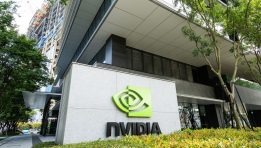
Nvidia Corp.’s board of directors has received a direct warning from senior internal engineering leadership that top technical talent is

- Ronny Mor
- •
- 7 Min Read
- •
- ago 11 hours
SKN | U.S. Tightens AI Chip Export Rules Ahead of Trump’s Asia Trip: Will New Cloud Curbs Close Beijing’s Remote Access Loophole?
The U.S. Commerce Department issued sweeping export restrictions on Monday, November 16, 2026, to prevent Chinese companies from accessing advanced
- ago 11 hours
- •
- 7 Min Read
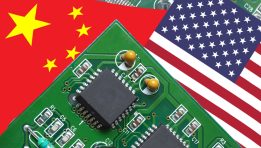
The U.S. Commerce Department issued sweeping export restrictions on Monday, November 16, 2026, to prevent Chinese companies from accessing advanced

- orshu
- •
- 7 Min Read
- •
- ago 14 hours
SKN | Institutional Investors Cool on Data Center Stocks as AI Infrastructure Trade Faces Greater Scrutiny
Institutional enthusiasm for data-center stocks weakened in the third quarter, according to a Reuters analysis of nearly 6,400 Securities
- ago 14 hours
- •
- 7 Min Read

Institutional enthusiasm for data-center stocks weakened in the third quarter, according to a Reuters analysis of nearly 6,400 Securities
