


- Lior mor
- •
- 7 Min Read
- •
- 14 seconds ago
Key Points
- US corporate executives are highlighting rising food prices across key consumer staples including beef, coffee, and tomatoes
- Supply chain pressures, climate conditions, and input costs continue to drive inflation in agricultural commodities
- Persistent food inflation is shaping consumer behavior and corporate pricing strategies across the US economy
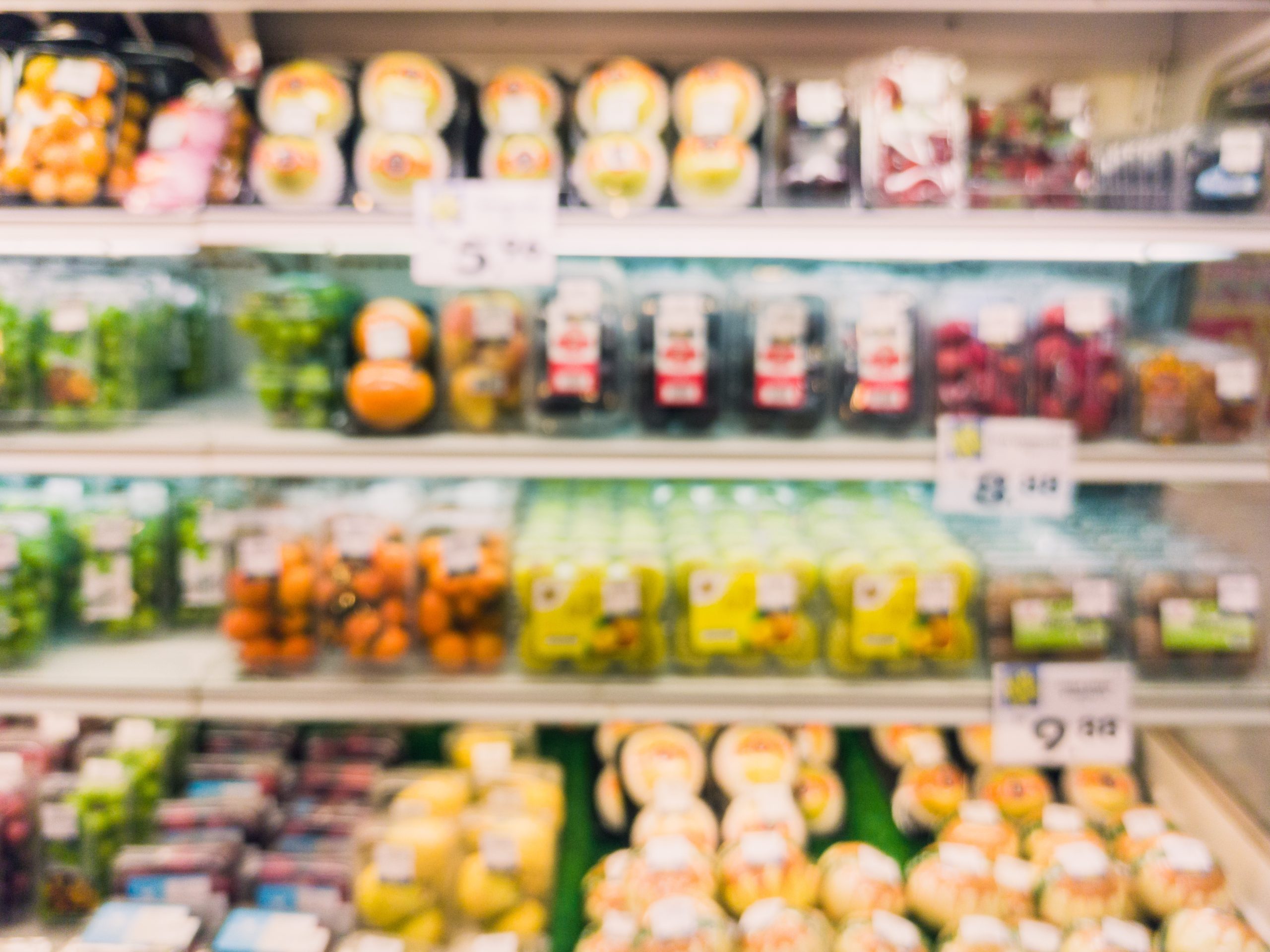
Food inflation pressures are re-emerging in the United States, with corporate executives pointing to rising prices in everyday staples such as beef, coffee, and tomatoes. The commentary from business leaders reflects ongoing volatility in agricultural supply chains, where weather disruptions, input costs, and logistical constraints continue to influence pricing dynamics. For global investors, the trend underscores how food inflation remains a structurally sensitive component of broader US inflation expectations and consumer spending behavior.
Beef Prices Reflect Tight Supply Conditions in Livestock Markets
Beef has been one of the most closely watched food categories in recent inflation reports, with supply constraints continuing to support elevated prices. Cattle herd sizes in the US remain under pressure following multi-year drought conditions in key producing regions, which have reduced available livestock and increased replacement costs.
Higher feed costs and transportation expenses have also contributed to sustained upward pressure across the beef supply chain. As a result, processors and retailers have faced limited flexibility in absorbing input costs, leading to gradual price adjustments at the consumer level.
For corporate executives in the food and retail sectors, beef inflation is particularly significant due to its strong weighting in household food budgets and its sensitivity to cyclical agricultural conditions.
Coffee and Tomatoes Highlight Global Supply Chain Exposure
Coffee prices are increasingly influenced by global supply conditions, particularly in major producing regions in Latin America and parts of Asia, where climate variability has impacted crop yields. Temperature fluctuations and irregular rainfall patterns have contributed to uncertainty in harvest volumes, adding volatility to global coffee pricing benchmarks.
Tomatoes, meanwhile, reflect a combination of domestic agricultural challenges and seasonal supply dynamics. Input costs such as fertilizers, energy, and transportation continue to influence pricing, while weather-related disruptions in key growing regions have added further pressure.
Together, these commodities illustrate how food inflation is no longer driven by a single factor but instead by a combination of global agricultural conditions and interconnected supply chain constraints.
Corporate Pricing Strategies and Consumer Behavior Under Pressure
US companies across the food production, retail, and hospitality sectors are adapting pricing strategies in response to sustained input cost inflation. Many firms have gradually passed higher costs to consumers, though there are signs that price sensitivity is increasing in lower-income segments of the market.
Executives have noted that while demand remains relatively stable for essential goods, consumers are increasingly trading down in certain categories or shifting purchasing patterns in response to higher prices. This behavior introduces complexity into revenue forecasting and margin management for publicly traded food and beverage companies.
From a broader macroeconomic perspective, persistent food inflation remains a key variable for central banks, as it influences household inflation expectations even when energy or goods inflation moderates.
Outlook: Food Inflation Risks Remain Closely Tied to Supply Conditions
Looking ahead, markets will continue to monitor agricultural supply trends, weather developments, and global commodity pricing for signs of stabilization or renewed volatility. Any improvement in crop yields or livestock recovery could ease pressure on food inflation, while adverse weather conditions or supply chain disruptions may sustain elevated pricing.
Risks include continued climate-related disruptions, higher input costs, and structural supply constraints in key agricultural sectors. On the other hand, normalization in global logistics and improved harvest conditions could gradually reduce inflationary pressure across selected food categories.
Overall, the commentary from US executives highlights how food inflation remains a persistent and multifaceted challenge, linking agricultural markets, corporate pricing decisions, and broader macroeconomic stability.
Comparison, examination, and analysis between investment houses
Leave your details, and an expert from our team will get back to you as soon as possible
* This article, in whole or in part, does not contain any promise of investment returns, nor does it constitute professional advice to make investments in any particular field.
To read more about the full disclaimer, click here
- sagi habasov
- •
- 7 Min Read
- •
- ago 30 minutes
SKN | Is a Multi-Billion Dollar US–China Agricultural Deal Signaling a New Phase in Trade Relations?
The United States has stated that China has agreed to purchase significant volumes of American agricultural products, with the deal
- ago 30 minutes
- •
- 7 Min Read

The United States has stated that China has agreed to purchase significant volumes of American agricultural products, with the deal

- Arik Arkadi Sluzki
- •
- 8 Min Read
- •
- ago 2 days
SKN | Oil Prices Rebound as Xi-Trump Summit Fails to Deliver Major Trade Breakthrough
Global oil markets moved higher after the latest summit between Chinese President Xi Jinping and U.S. President Donald Trump
- ago 2 days
- •
- 8 Min Read
Global oil markets moved higher after the latest summit between Chinese President Xi Jinping and U.S. President Donald Trump

- Ronny Mor
- •
- 7 Min Read
- •
- ago 3 days
SKN | Can a “Double-Digit Billion” US-China Agriculture Deal Signal a New Trade Stabilization Phase?
The United States is anticipating an agriculture trade agreement potentially worth “double-digit billions” of dollars following the recent Trump–Xi summit,
- ago 3 days
- •
- 7 Min Read

The United States is anticipating an agriculture trade agreement potentially worth “double-digit billions” of dollars following the recent Trump–Xi summit,

- omer bar
- •
- 8 Min Read
- •
- ago 3 days
SKN | Oil Prices Head for Weekly Gain as Iran Conflict Deadlock Sustains Geopolitical Risk Premium
Oil prices are moving toward a weekly advance as diplomatic efforts to resolve escalating tensions involving Iran remain stalled, reinforcing
- ago 3 days
- •
- 8 Min Read

Oil prices are moving toward a weekly advance as diplomatic efforts to resolve escalating tensions involving Iran remain stalled, reinforcing

