


- Ronny Mor
- •
- 7 Min Read
- •
- 6 minutes ago
Key Points
- US officials expect a multi-billion-dollar agricultural trade agreement following the Trump–Xi summit, according to Greer
- The deal highlights renewed emphasis on stabilizing US-China trade flows in key commodity sectors
- Agricultural markets and global supply chains are watching for demand shifts and pricing implications

The United States is anticipating an agriculture trade agreement potentially worth “double-digit billions” of dollars following the recent Trump–Xi summit, according to US trade official Jamieson Greer. The expected deal underscores renewed efforts to stabilize economic relations between the world’s two largest economies, with agricultural commodities once again emerging as a central component of bilateral negotiations. For global markets, the development reflects how trade diplomacy continues to shape demand expectations across key commodity sectors.
Agriculture Returns to the Center of US–China Trade Relations
The anticipated agreement highlights the continued importance of agricultural exports in the broader US-China economic relationship. Historically, China has been one of the largest buyers of US soybeans, corn, pork, and other agricultural products, making the sector highly sensitive to geopolitical and policy shifts.
Greer’s comments suggesting a “double-digit billions” valuation point to a potentially significant increase in procurement commitments, although details regarding product breakdowns, timelines, and enforcement mechanisms remain unclear. Nevertheless, the scale implied by the statement suggests that agriculture remains a key lever in broader trade negotiations between Washington and Beijing.
For US producers, particularly in the Midwest, Chinese demand plays a critical role in revenue stability and pricing power. Any expansion in purchase commitments could influence export forecasts and inventory expectations heading into upcoming harvest cycles.
Market Implications for Commodities and Supply Chains
Agricultural futures markets tend to react quickly to shifts in US-China trade expectations, particularly in soybean and grain contracts, where China is a dominant import buyer. Even preliminary signals of large-scale purchase agreements can influence sentiment, pricing volatility, and positioning among commodity traders.
Beyond direct price effects, the broader supply chain implications extend to logistics, shipping demand, and input markets such as fertilizers and agricultural machinery. A sustained increase in Chinese import demand would likely support upstream industries tied to US agricultural output.
However, market participants remain cautious, as previous trade agreements between the two countries have at times faced implementation delays or partial fulfillment. As a result, investors typically differentiate between headline commitments and realized procurement flows when assessing market impact.
Strategic Trade Signaling Amid Broader Geopolitical Tensions
The potential agreement also carries strategic significance beyond agriculture. US–China trade relations remain influenced by broader geopolitical tensions, including technology restrictions, tariffs, and supply chain diversification efforts. Within this context, agricultural trade often functions as a relatively stable negotiating channel.
The Trump–Xi summit framework suggests an attempt to maintain economic engagement even as competition persists across strategic sectors. Agricultural agreements have historically served as confidence-building mechanisms during periods of broader trade friction, offering both sides a lower-risk avenue for cooperation.
For global investors, the development reflects the continued intersection between geopolitics and commodity-driven sectors, where policy decisions can rapidly alter demand expectations and pricing trajectories.
Outlook: Execution and Verification Will Drive Market Impact
Looking ahead, market focus will shift toward the formalization of the agreement, including confirmed purchase volumes, timelines, and compliance mechanisms. Investors will also monitor whether Chinese importers follow through on commitments at scale, as execution has historically been a key variable in US–China trade arrangements.
Risks include partial implementation of the deal, renewed trade tensions, or shifts in global commodity demand driven by macroeconomic conditions. On the upside, a fully executed agreement could support stronger pricing stability in select agricultural markets and improve revenue visibility for US exporters.
Overall, the expected agriculture deal reinforces the role of commodity trade as both an economic stabilizer and a geopolitical instrument within US–China relations, with implications that extend across global supply chains and agricultural market dynamics.
Comparison, examination, and analysis between investment houses
Leave your details, and an expert from our team will get back to you as soon as possible
* This article, in whole or in part, does not contain any promise of investment returns, nor does it constitute professional advice to make investments in any particular field.
To read more about the full disclaimer, click here
- omer bar
- •
- 8 Min Read
- •
- ago 1 hour
SKN | Oil Prices Head for Weekly Gain as Iran Conflict Deadlock Sustains Geopolitical Risk Premium
Oil prices are moving toward a weekly advance as diplomatic efforts to resolve escalating tensions involving Iran remain stalled, reinforcing
- ago 1 hour
- •
- 8 Min Read

Oil prices are moving toward a weekly advance as diplomatic efforts to resolve escalating tensions involving Iran remain stalled, reinforcing

- Lior mor
- •
- 8 Min Read
- •
- ago 23 hours
SKN | Does China’s $3 Billion US Clean Tech Exit Signal a Structural Shift in Global Investment Strategy?
China’s reported exit from approximately $3 billion in US clean technology investments marks a notable shift in cross-border capital allocation
- ago 23 hours
- •
- 8 Min Read
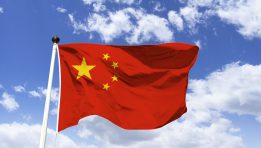
China’s reported exit from approximately $3 billion in US clean technology investments marks a notable shift in cross-border capital allocation

- Ronny Mor
- •
- 7 Min Read
- •
- ago 1 day
SKN | Can Trump–Xi Trade Talks Stabilize Global Markets as Iran Conflict Uncertainty Lingers?
The arrival of US President Donald Trump in China for a high-level trade summit with President Xi Jinping comes at
- ago 1 day
- •
- 7 Min Read
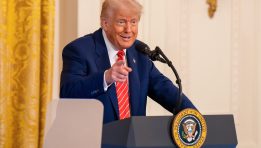
The arrival of US President Donald Trump in China for a high-level trade summit with President Xi Jinping comes at

- sagi habasov
- •
- 8 Min Read
- •
- ago 1 day
SKN | Can Oil Markets Stay Stable as Trump-Xi Talks and Iran Tensions Shape Global Energy Risk?
Oil markets are trading in a relatively narrow range as investors evaluate the potential implications of anticipated talks involving US
- ago 1 day
- •
- 8 Min Read

Oil markets are trading in a relatively narrow range as investors evaluate the potential implications of anticipated talks involving US


