


- sagi habasov
- •
- 8 Min Read
- •
- 5 hours ago
Key Points
- Oil prices remain relatively stable as investors monitor upcoming Trump-Xi discussions and geopolitical tensions involving Iran.
- Markets are balancing potential trade-related demand optimism against supply disruption risks tied to Middle East instability.
- Energy traders continue to assess the impact of geopolitical uncertainty on inflation expectations, shipping routes, and global commodity flows.

Oil markets are trading in a relatively narrow range as investors evaluate the potential implications of anticipated talks involving US President Donald Trump and Chinese President Xi Jinping, while geopolitical tensions connected to Iran continue to sustain a broader risk premium across energy markets. The combination of diplomatic uncertainty, global growth concerns, and Middle East security risks is keeping traders cautious despite stable near-term supply conditions.
Geopolitical Risk Keeps Oil Markets Sensitive
Geopolitical developments involving Iran remain a central factor influencing crude oil sentiment. Market participants continue to monitor the possibility of regional escalation that could affect energy infrastructure, tanker routes, or broader supply flows through strategic shipping corridors such as the Strait of Hormuz.
Although no major physical supply disruption has materialized, energy markets tend to price in geopolitical risk before actual shortages emerge. This explains why crude prices have remained supported even during periods of softer macroeconomic data and uneven global industrial demand. Traders are particularly sensitive to any signals suggesting heightened military confrontation or tighter sanctions enforcement involving Iranian exports.
For global investors, including those in Israel with exposure to energy-linked equities, commodities, or inflation-sensitive assets, the persistence of geopolitical uncertainty reinforces oil’s role as both a macroeconomic indicator and a strategic commodity tied to regional stability.
Trump-Xi Talks Could Influence Global Demand Expectations
At the same time, markets are watching for potential developments tied to expected discussions between Trump and Xi, as any improvement in US-China relations could influence expectations for global trade activity and energy consumption. China remains the world’s largest crude oil importer, meaning shifts in Chinese industrial demand can significantly affect commodity pricing trends.
Energy markets have been highly responsive to signals surrounding tariffs, trade policy, and technology restrictions between Washington and Beijing. Any indication of improved diplomatic engagement could support expectations for manufacturing activity, logistics demand, and broader industrial output, all of which are closely connected to oil consumption.
However, uncertainty surrounding future trade policy continues to limit aggressive bullish positioning. Investors remain cautious about assuming a sustained improvement in global demand conditions, particularly as several major economies continue to face slower growth momentum and tighter financial conditions.
Inflation, Shipping Risks, and Commodity Volatility Remain in Focus
Beyond direct supply and demand dynamics, oil prices continue to influence broader inflation expectations and financial market positioning. Stable but elevated energy prices can complicate central bank policy decisions by sustaining input cost pressures across transportation, manufacturing, and consumer sectors.
Shipping and insurance costs also remain sensitive to Middle East tensions, particularly for routes connected to Gulf energy exports. Even without direct disruptions, heightened geopolitical risk can increase operational costs across global supply chains, indirectly affecting commodity markets and inflation-linked assets.
For institutional investors and portfolio managers, oil market stability currently reflects a balance between geopolitical support and cautious macroeconomic expectations. This environment has limited extreme volatility while maintaining an elevated sensitivity to political headlines and diplomatic developments.
Outlook: Markets Await Diplomatic Signals and Regional Stability
Looking ahead, oil market direction will likely depend on the interaction between geopolitical developments in the Middle East and the broader trajectory of US-China relations. Any escalation involving Iran could quickly tighten supply expectations and increase volatility across energy markets, while constructive diplomatic signals between Washington and Beijing may improve sentiment around future demand growth.
Key risks include disruptions to shipping infrastructure, unexpected policy announcements related to sanctions or trade, and weaker-than-expected global economic activity. On the other hand, stable supply conditions and improving trade dialogue could support more balanced commodity pricing conditions in the months ahead.
Overall, oil markets remain caught between geopolitical caution and macroeconomic uncertainty, leaving investors focused on diplomatic developments, global growth signals, and the evolving balance between energy security and demand recovery.
Comparison, examination, and analysis between investment houses
Leave your details, and an expert from our team will get back to you as soon as possible
* This article, in whole or in part, does not contain any promise of investment returns, nor does it constitute professional advice to make investments in any particular field.
To read more about the full disclaimer, click here
- Lior mor
- •
- 8 Min Read
- •
- ago 2 hours
SKN | Does China’s $3 Billion US Clean Tech Exit Signal a Structural Shift in Global Investment Strategy?
China’s reported exit from approximately $3 billion in US clean technology investments marks a notable shift in cross-border capital allocation
- ago 2 hours
- •
- 8 Min Read
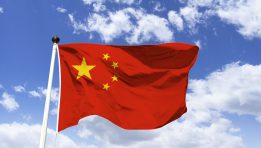
China’s reported exit from approximately $3 billion in US clean technology investments marks a notable shift in cross-border capital allocation

- Ronny Mor
- •
- 7 Min Read
- •
- ago 4 hours
SKN | Can Trump–Xi Trade Talks Stabilize Global Markets as Iran Conflict Uncertainty Lingers?
The arrival of US President Donald Trump in China for a high-level trade summit with President Xi Jinping comes at
- ago 4 hours
- •
- 7 Min Read
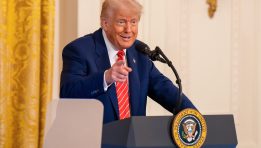
The arrival of US President Donald Trump in China for a high-level trade summit with President Xi Jinping comes at
- Ronny Mor
- •
- 8 Min Read
- •
- ago 15 hours
SKN | Oil Holds Near $100 as Falling US Inventories and Trump-Xi Summit Keep Markets Focused on Supply Risks
Oil Prices Hold Steady Amid Geopolitical Uncertainty Oil prices were little changed on Wednesday as traders balanced tightening US inventories
- ago 15 hours
- •
- 8 Min Read

Oil Prices Hold Steady Amid Geopolitical Uncertainty Oil prices were little changed on Wednesday as traders balanced tightening US inventories
- Ronny Mor
- •
- 8 Min Read
- •
- ago 1 day
SKN | Oil Prices Edge Lower as Iran Ceasefire Uncertainty Grows While Trump Prepares China Visit
Global oil markets are trading slightly lower as investors reassess geopolitical risk premiums following uncertainty surrounding the Iran ceasefire, while
- ago 1 day
- •
- 8 Min Read

Global oil markets are trading slightly lower as investors reassess geopolitical risk premiums following uncertainty surrounding the Iran ceasefire, while


