


- orshu
- •
- 8 Min Read
- •
- 21 seconds ago
Key Points
- Copper prices surged toward $14,000 per ton on the London Metal Exchange, approaching historic highs amid tightening global supply conditions.
- Investors continue betting on long-term demand growth tied to electrification, renewable energy, and AI infrastructure expansion.
- Mining companies, industrial sectors, and global equity markets are closely monitoring copper’s rally as higher commodity prices influence inflation expectations and manufacturing costs.
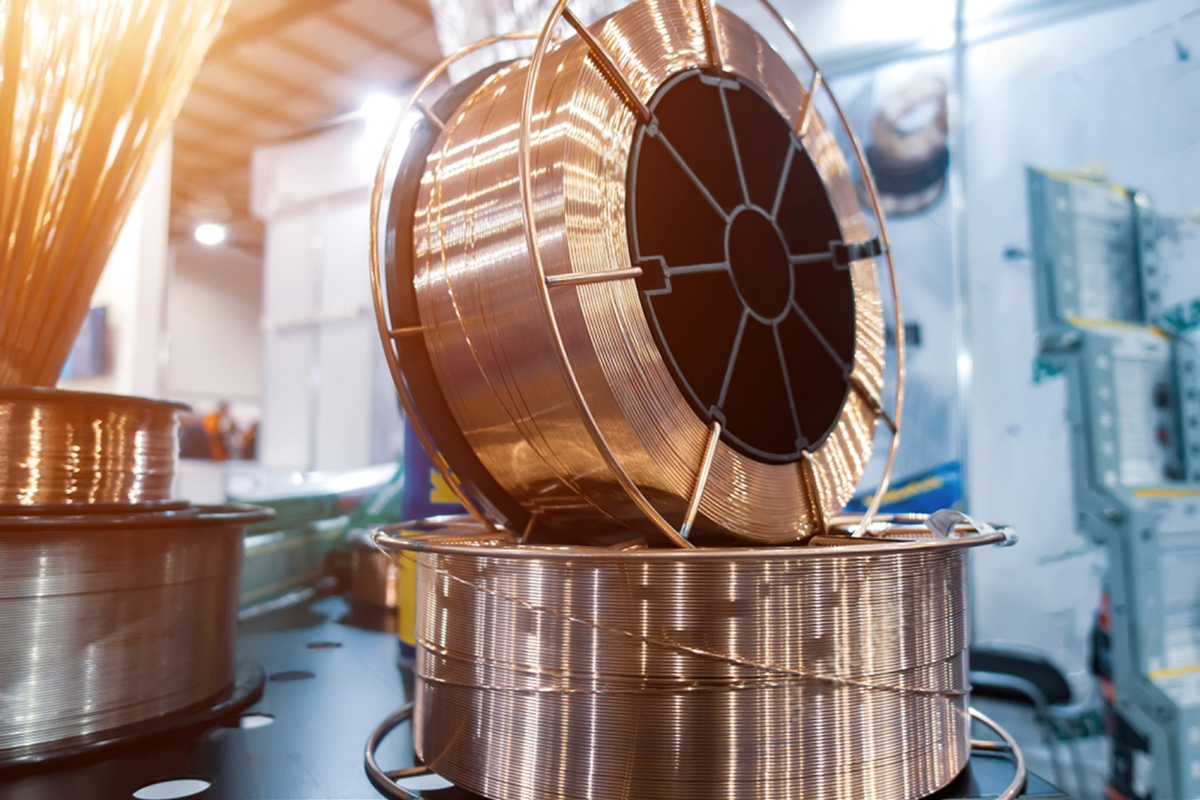
Copper prices climbed toward the $14,000-per-ton level on the London Metal Exchange (LME), placing the industrial metal near all-time highs as investors responded to tightening supply conditions and strong long-term demand expectations. The rally has intensified global attention on copper’s strategic role in the energy transition, infrastructure modernization, and expanding artificial intelligence-related power consumption.
The move higher comes as commodity markets continue balancing geopolitical risks, supply chain disruptions, and increasing global investment in electrification projects. Copper remains one of the most economically sensitive industrial metals because of its extensive use across manufacturing, construction, renewable energy systems, electric vehicles, and semiconductor infrastructure.
Supply Constraints Continue Driving Copper’s Rally
The recent surge in copper prices has been heavily influenced by ongoing concerns surrounding global supply availability. Mining disruptions, declining ore grades, permitting delays, and underinvestment in new extraction projects have all contributed to tighter market conditions.
Several major copper-producing regions, including Chile and Peru, have experienced operational and political challenges in recent years, affecting production stability and export capacity. At the same time, global inventories remain relatively constrained compared with rising long-term demand projections.
Commodity traders and institutional investors increasingly believe that the copper market may face structural supply deficits over the coming decade if mining investment fails to keep pace with accelerating industrial demand. The rapid expansion of renewable energy infrastructure and electric vehicle production continues placing additional pressure on already limited supply chains.
The rally toward $14,000 per ton also reflects growing speculative activity across commodity markets as investors seek exposure to assets linked to infrastructure spending and energy transition themes. Copper is widely viewed as one of the key strategic materials required for global decarbonization efforts.
Energy Transition and AI Infrastructure Fuel Long-Term Demand
Copper demand has strengthened significantly due to accelerating investment in clean energy systems, electric vehicles, battery storage, and power grid expansion. Electric vehicles typically require substantially more copper than traditional combustion-engine vehicles because of their extensive electrical wiring and battery infrastructure needs.
Renewable energy projects, including solar farms, wind turbines, and energy transmission networks, also depend heavily on copper-intensive electrical systems. Governments globally continue expanding climate-focused infrastructure programs aimed at modernizing power grids and reducing carbon emissions.
In addition, the rapid growth of artificial intelligence infrastructure has emerged as another important source of industrial metal demand. AI data centers, cloud computing facilities, and semiconductor manufacturing operations require substantial electricity generation and transmission capacity, indirectly supporting long-term copper consumption.
Technology companies expanding AI capabilities are contributing to rising global energy infrastructure investment, creating additional demand across industrial metals markets. Investors increasingly view copper as both an economic growth indicator and a strategic commodity tied to next-generation technology development.
Market Impact Extends Across Equities and Global Economies
The sharp rise in copper prices carries broad implications for global financial markets and industrial sectors. Mining companies and commodity-linked equities have generally benefited from stronger pricing conditions, while manufacturers and industrial firms face higher raw material costs.
Higher copper prices may also influence inflation expectations because industrial metals play a central role in construction, manufacturing, transportation, and energy infrastructure costs. Rising commodity prices can increase input expenses for businesses globally, potentially affecting central bank policy expectations and broader market sentiment.
For Israeli investors and international markets, the copper rally remains particularly relevant because Israel maintains significant exposure to technology manufacturing, semiconductor development, renewable energy infrastructure, and industrial innovation. Rising industrial metal demand may indirectly support companies involved in clean technology, energy systems, and advanced manufacturing solutions.
At the same time, sustained commodity price increases could pressure sectors heavily dependent on industrial inputs, including automotive manufacturing, electronics, transportation, and construction industries.
Looking ahead, investors will closely monitor global mining production levels, Chinese industrial demand, and geopolitical developments affecting commodity supply chains. Additional infrastructure spending and continued expansion of renewable energy and AI-related projects could provide further support for copper prices in the medium term. However, economic slowdown risks, changes in monetary policy expectations, and potential supply increases from major producers may continue influencing volatility across industrial metals markets during the remainder of 2026.
Comparison, examination, and analysis between investment houses
Leave your details, and an expert from our team will get back to you as soon as possible
* This article, in whole or in part, does not contain any promise of investment returns, nor does it constitute professional advice to make investments in any particular field.
To read more about the full disclaimer, click here
- omer bar
- •
- 7 Min Read
- •
- ago 5 days
SKN | Can US–China Diplomacy Hold Steady as Iran Tensions Add Geopolitical Pressure?
The planned summit between US President Donald Trump and Chinese President Xi Jinping is continuing as scheduled, even as Beijing
- ago 5 days
- •
- 7 Min Read

The planned summit between US President Donald Trump and Chinese President Xi Jinping is continuing as scheduled, even as Beijing

- orshu
- •
- 6 Min Read
- •
- ago 6 days
SKN | Finance Sector Analysis: Banks and Insurers Navigate Higher-for-Longer Rates and Credit Risk
Financial stocks are moving in a selective pattern, no longer trading as a single rate-sensitive block. Large banks, insurers, and
- ago 6 days
- •
- 6 Min Read

Financial stocks are moving in a selective pattern, no longer trading as a single rate-sensitive block. Large banks, insurers, and
- orshu
- •
- 7 Min Read
- •
- ago 6 days
SKN | Wednesday, May 6, 2026 – Tel Aviv Market Mixed After Tuesday Rally | TA-90 Extends Gains as Bond Market Strengthens
Tel Aviv markets closed mixed on Wednesday, May 6, 2026, after a strong rally in the previous session. While blue-chip
- ago 6 days
- •
- 7 Min Read

Tel Aviv markets closed mixed on Wednesday, May 6, 2026, after a strong rally in the previous session. While blue-chip

- Ronny Mor
- •
- 6 Min Read
- •
- ago 1 week
SKN | Is a Crypto Shadow Market Emerging Around AI’s Hottest Private Companies?
A growing number of high-profile private artificial intelligence companies are becoming indirectly tied to a fast-expanding crypto-linked “shadow market,” where
- ago 1 week
- •
- 6 Min Read

A growing number of high-profile private artificial intelligence companies are becoming indirectly tied to a fast-expanding crypto-linked “shadow market,” where

