


- sagi habasov
- •
- 7 Min Read
- •
- 14 seconds ago
Key Points
- The US says China has committed to purchasing large volumes of American agricultural goods worth billions of dollars
- The agreement reflects renewed efforts to stabilize trade flows between the world’s two largest economies
- Agricultural commodities markets are watching for pricing, demand, and supply chain implications
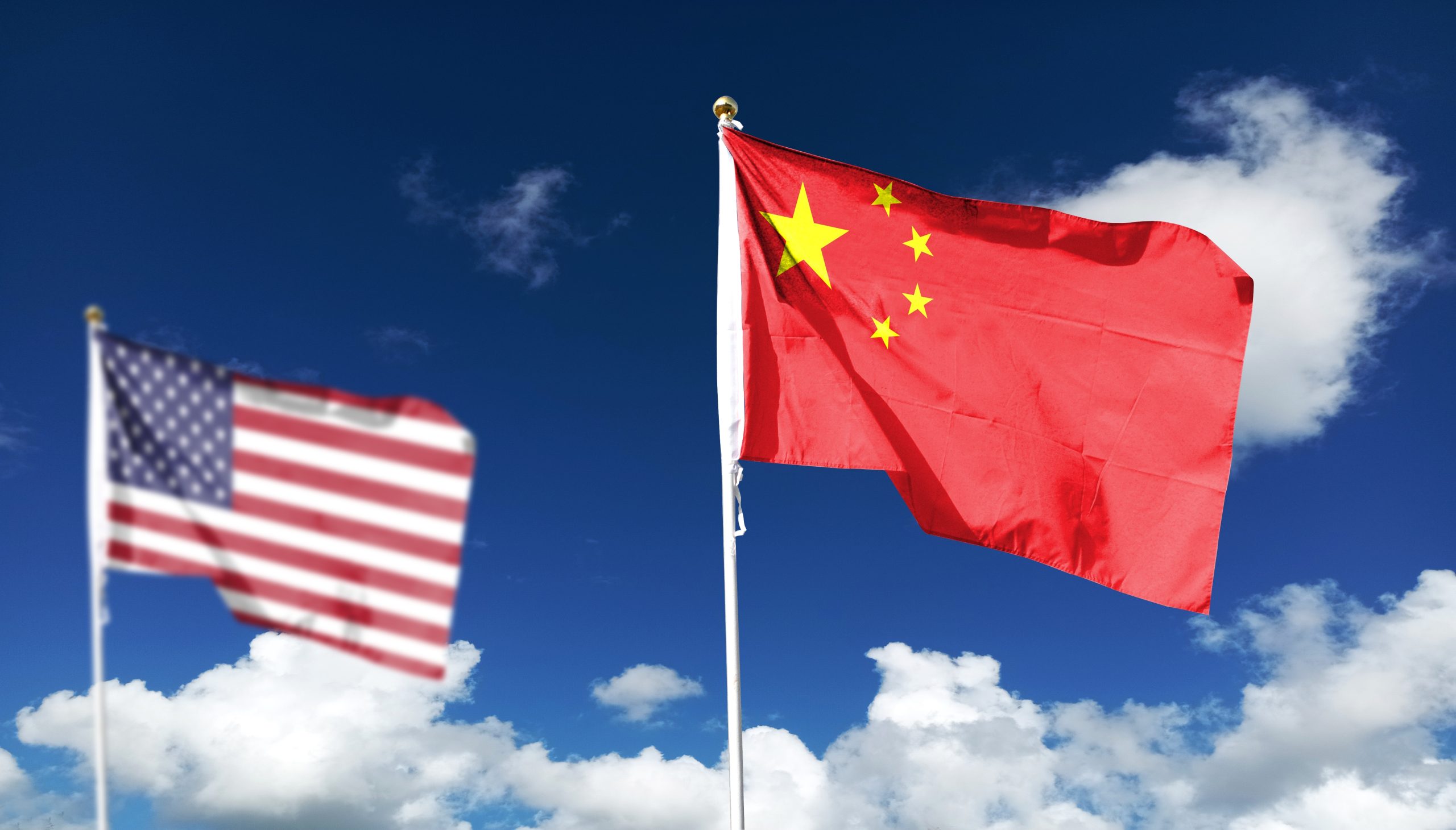
The United States has stated that China has agreed to purchase significant volumes of American agricultural products, with the deal reportedly valued in the “billions of dollars.” The announcement comes as both economies attempt to manage trade frictions while maintaining critical supply chain links in key commodity sectors. For global markets, the development underscores how agricultural trade remains a central pillar in US–China economic relations and a key driver of sentiment in global commodity pricing.
Agricultural Trade Returns to the Center of US–China Relations
Agricultural exports have historically played a stabilizing role in US–China trade dynamics, with China consistently ranking among the largest importers of American soybeans, corn, pork, and related food products. The latest statement suggests a renewed willingness by Beijing to expand procurement from US producers, potentially reinforcing demand visibility for American agricultural exporters.
While specific volumes, product breakdowns, and delivery timelines have not been fully detailed, the scale of the commitment highlights the continued strategic importance of food and agricultural goods in bilateral negotiations. These agreements often serve both economic and diplomatic functions, helping to maintain engagement even during periods of broader geopolitical tension.
For US agricultural producers, particularly in major exporting states, such commitments can influence planting expectations, inventory cycles, and forward pricing assumptions across key crop markets.
Commodity Markets React to Demand Expectations
Agricultural futures markets tend to respond quickly to shifts in US–China trade expectations, especially in soybean and grain contracts where China is a dominant global buyer. Even preliminary signals of large-scale purchase agreements can affect sentiment, positioning, and short-term price volatility across commodity exchanges.
Beyond direct price movements, broader supply chain implications may extend to shipping demand, storage capacity, and agricultural input markets such as fertilizers, logistics, and farm equipment. A sustained increase in Chinese import demand typically supports upstream agricultural ecosystems, influencing both revenue expectations and production planning.
However, market participants remain cautious given historical patterns in which headline trade commitments do not always translate into consistent execution. As a result, investors tend to distinguish between announced agreements and realized import flows when assessing long-term market impact.
Strategic Trade Signal Amid Broader Geopolitical Tensions
The reported agreement also carries broader strategic significance beyond agricultural markets. US–China relations continue to be shaped by competition in technology, tariffs, and supply chain security, making agricultural trade one of the more stable and recurring areas of engagement.
In past cycles, large agricultural purchase commitments have been used as diplomatic tools to ease tensions and demonstrate economic cooperation without requiring structural policy alignment in more sensitive sectors. The current development may therefore be viewed as part of a broader effort to maintain functional trade channels despite ongoing strategic rivalry.
For global investors, this reinforces the importance of commodity-linked sectors as both economic and geopolitical indicators, where policy decisions can quickly translate into shifts in demand expectations and pricing dynamics.
Looking ahead, markets will focus on whether the announced commitments translate into sustained import activity, as well as how global supply and demand conditions evolve across major agricultural commodities. Key risks include partial fulfillment of agreements, renewed trade friction, or shifts in global demand driven by macroeconomic conditions.
On the upside, consistent implementation of large-scale purchases could support price stability in selected agricultural markets and improve revenue predictability for US exporters. Overall, the development highlights the continued role of agricultural trade as a key stabilizing mechanism within US–China economic relations and a significant driver of global commodity market sentiment.
Comparison, examination, and analysis between investment houses
Leave your details, and an expert from our team will get back to you as soon as possible
* This article, in whole or in part, does not contain any promise of investment returns, nor does it constitute professional advice to make investments in any particular field.
To read more about the full disclaimer, click here
- Arik Arkadi Sluzki
- •
- 8 Min Read
- •
- ago 2 days
SKN | Oil Prices Rebound as Xi-Trump Summit Fails to Deliver Major Trade Breakthrough
Global oil markets moved higher after the latest summit between Chinese President Xi Jinping and U.S. President Donald Trump
- ago 2 days
- •
- 8 Min Read

Global oil markets moved higher after the latest summit between Chinese President Xi Jinping and U.S. President Donald Trump

- Ronny Mor
- •
- 7 Min Read
- •
- ago 3 days
SKN | Can a “Double-Digit Billion” US-China Agriculture Deal Signal a New Trade Stabilization Phase?
The United States is anticipating an agriculture trade agreement potentially worth “double-digit billions” of dollars following the recent Trump–Xi summit,
- ago 3 days
- •
- 7 Min Read

The United States is anticipating an agriculture trade agreement potentially worth “double-digit billions” of dollars following the recent Trump–Xi summit,

- omer bar
- •
- 8 Min Read
- •
- ago 3 days
SKN | Oil Prices Head for Weekly Gain as Iran Conflict Deadlock Sustains Geopolitical Risk Premium
Oil prices are moving toward a weekly advance as diplomatic efforts to resolve escalating tensions involving Iran remain stalled, reinforcing
- ago 3 days
- •
- 8 Min Read

Oil prices are moving toward a weekly advance as diplomatic efforts to resolve escalating tensions involving Iran remain stalled, reinforcing

- Lior mor
- •
- 8 Min Read
- •
- ago 4 days
SKN | Does China’s $3 Billion US Clean Tech Exit Signal a Structural Shift in Global Investment Strategy?
China’s reported exit from approximately $3 billion in US clean technology investments marks a notable shift in cross-border capital allocation
- ago 4 days
- •
- 8 Min Read
China’s reported exit from approximately $3 billion in US clean technology investments marks a notable shift in cross-border capital allocation

