





- orshu
- •
- 6 Min Read
- •
- 35 seconds ago


Key Points
- USD/CAD declined approximately 0.86% over the five-day period shown in the chart, ending near 1.4137.
- The move indicates a stronger Canadian dollar against the US dollar over the displayed period, although the chart alone does not establish the underlying cause.
- Interest-rate expectations, oil-price movements, US economic data and broader risk sentiment remain important factors for the currency pair’s outlook.
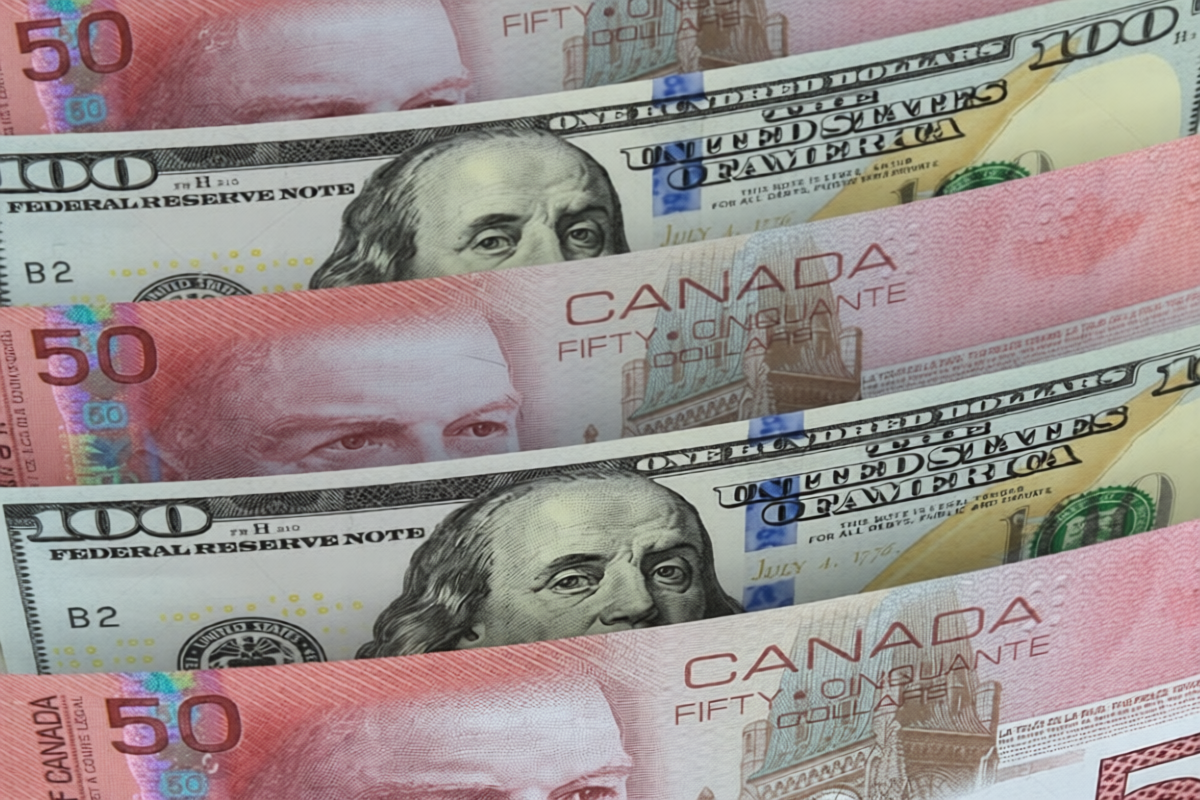
The US dollar weakened against the Canadian dollar during the five-day period ending October 16, with USD/CAD falling to 1.4137 from a previous close of 1.4185. The decline places the pair near the lower end of its recent trading range and highlights how monetary-policy expectations and commodity-market conditions can influence currency valuations. For global investors, including Israeli institutions with exposure to US and Canadian assets, exchange-rate movements can affect portfolio returns even when underlying investments remain unchanged.
USD/CAD Trends Lower During the Week
The chart shows a broadly downward trajectory across the displayed sessions, interrupted by a temporary rebound before the pair resumed its decline. The reported five-day performance was approximately negative 0.86%, while the latest quoted level of 1.4137 represented a daily decline of 0.34%. Together, these figures indicate that the Canadian dollar gained ground against the US dollar over the period.
The move should nevertheless be viewed in context. The chart records the exchange rate rather than explaining the forces behind it, and it does not establish whether the decline reflected Canadian-dollar strength, US-dollar weakness, or a combination of both. The displayed 52-week range of 1.3484 to 1.4299 also shows that the pair remained within its broader annual trading boundaries.
Oil Prices and Central-Bank Expectations Remain Important
Canada’s role as a major energy exporter means that oil-price developments can influence expectations for the Canadian dollar. Higher crude prices may support Canadian export revenues and the currency, all else being equal. However, that relationship is not automatic: global demand concerns, changes in risk appetite and movements in the US dollar can offset the effect of energy prices.
Interest-rate expectations are equally important. If markets anticipate a wider gap between US and Canadian interest rates, the resulting shift in relative returns may influence demand for either currency. Upcoming inflation readings, employment data and central-bank communications could therefore alter the pair’s direction. Without confirmed event-specific evidence, the week’s decline cannot be attributed to a single economic release or policy signal.
Implications for Global and Israeli Investors
For internationally diversified portfolios, currency movements can change returns when assets are measured in a different base currency. Israeli investors holding US- or Canadian-dollar-denominated assets may experience additional effects when translating portfolio values into shekels. USD/CAD does not directly determine the shekel exchange rate, but it contributes to the wider picture of dollar performance across global markets.
The latest move may offer some relief to businesses and investors with Canadian-dollar exposure to US-dollar costs, but the impact depends on their revenues, liabilities and hedging arrangements. Currency volatility also remains a risk: a shift in oil prices, a surprise in US data or changing expectations for central-bank policy could reverse the recent trend.
Looking ahead, investors will be watching whether USD/CAD can sustain its decline or stabilize near current levels. Confirmation from upcoming economic data, oil-market developments and changes in relative interest-rate expectations will be important. A continued move lower is possible, but it should not be treated as assured; renewed US-dollar demand or weaker energy prices could put the Canadian dollar under pressure again.
Comparison, examination, and analysis between investment houses
Leave your details, and an expert from our team will get back to you as soon as possible
* This article, in whole or in part, does not contain any promise of investment returns, nor does it constitute professional advice to make investments in any particular field.
To read more about the full disclaimer, click here
- Ronny Mor
- •
- 6 Min Read
- •
- ago 24 minutes
SKN | EUR/USD Weekly Review: Euro Recovers as Dollar Momentum Begins to Ease
The euro staged a measured recovery against the US dollar during the week of October 12–16, 2026, after experiencing
- ago 24 minutes
- •
- 6 Min Read

The euro staged a measured recovery against the US dollar during the week of October 12–16, 2026, after experiencing

- omer bar
- •
- 7 Min Read
- •
- ago 1 hour
SKN | USD/JPY Weekly Review: Yen Holds Near 158 as Dollar Momentum Remains Fragile
The U.S. dollar traded close to 158 yen at the end of the week of October 12–16, 2026,
- ago 1 hour
- •
- 7 Min Read

The U.S. dollar traded close to 158 yen at the end of the week of October 12–16, 2026,

- Lior mor
- •
- 6 Min Read
- •
- ago 2 hours
SKN | TA-35 Rallies 4.01% for the Week as Israeli Equities Extend Their Advance
The Tel Aviv equity market ended the week with a strong advance in large-cap stocks, as the TA-35 index
- ago 2 hours
- •
- 6 Min Read

The Tel Aviv equity market ended the week with a strong advance in large-cap stocks, as the TA-35 index

- Arik Arkadi Sluzki
- •
- 6 Min Read
- •
- ago 2 hours
SKN | TA-125 Gains 4.22% in a Week as Israeli Equities Rebound, but Recovery Risks Remain
The Tel Aviv TA-125 index delivered a strong weekly recovery, gaining 4.22% between October 12 and October 16
- ago 2 hours
- •
- 6 Min Read

The Tel Aviv TA-125 index delivered a strong weekly recovery, gaining 4.22% between October 12 and October 16

