





- Lior mor
- •
- 7 Min Read
- •
- 2 hours ago
Key Points
- The United States is reportedly delaying a decision to blacklist China’s AI firm DeepSeek, despite broader national security concerns.
- More than 100 companies are being assessed as potential security risks under expanding technology restriction frameworks.
- The move reflects escalating geopolitical tensions over artificial intelligence, semiconductors, and data security governance.
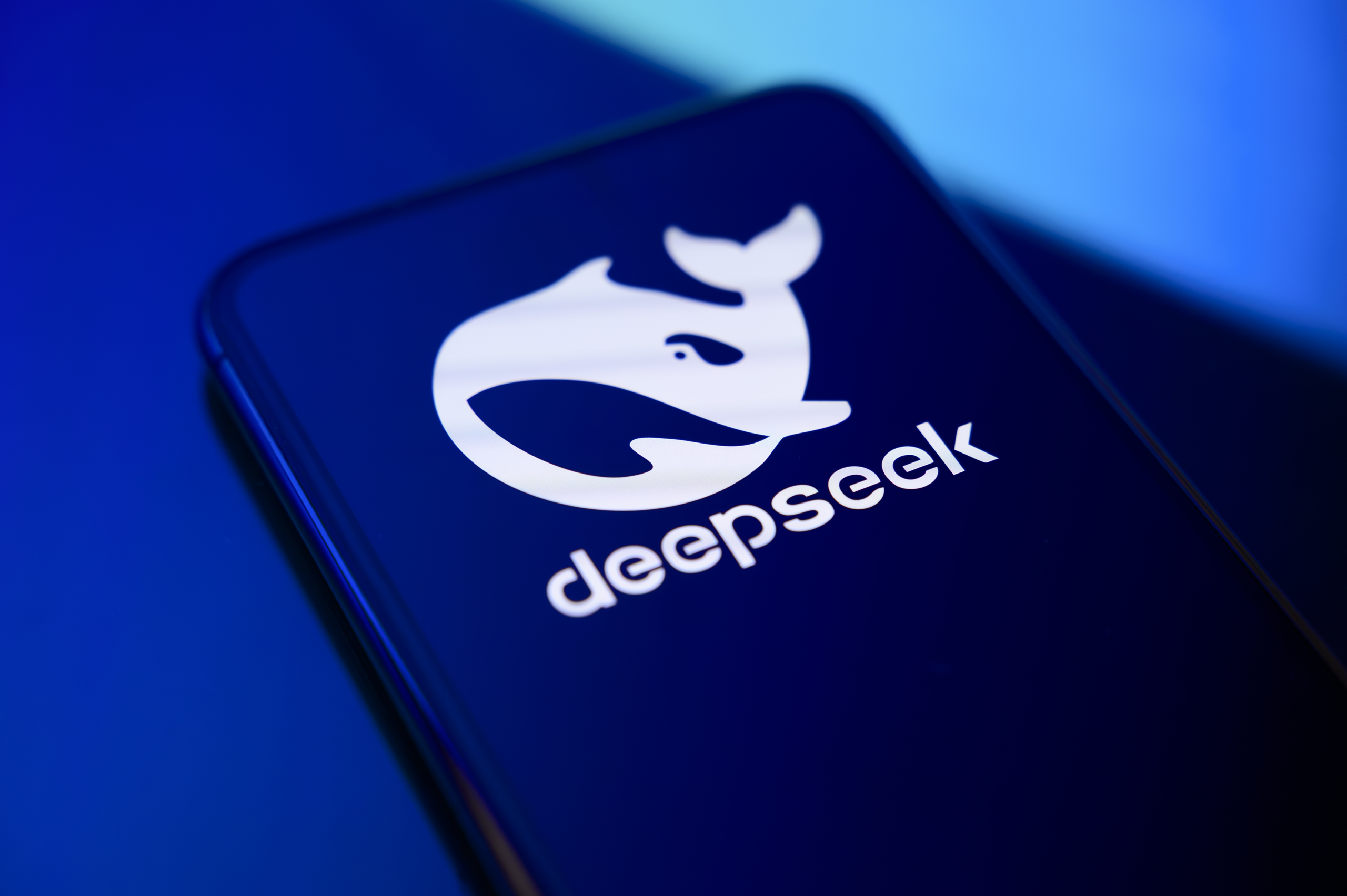
US authorities are reportedly holding off on adding China’s AI company DeepSeek to a blacklist, even as more than 100 other firms are being evaluated as potential national security risks, according to sources cited in the market. The development comes amid intensifying scrutiny of global technology supply chains, where artificial intelligence, advanced semiconductors, and data infrastructure have become central to geopolitical competition. For investors in Israel and global markets, the evolving regulatory landscape underscores rising uncertainty across the AI and technology ecosystem.
DeepSeek Decision Highlights Selective US Tech Policy Approach
The reported decision to delay blacklisting DeepSeek reflects a more selective approach by US policymakers, who are balancing national security concerns with broader implications for global AI development. DeepSeek, a Chinese artificial intelligence company that has gained attention for its large language model advancements, has become part of a wider debate over the control and governance of foundational AI technologies.
Rather than immediate enforcement actions, US regulators appear to be conducting a broader assessment of firms with potential dual-use technology exposure. This includes evaluating whether certain companies pose direct risks to sensitive data infrastructure or whether they primarily operate within commercial AI development frameworks.
The decision highlights the complexity of regulating rapidly evolving AI ecosystems, where distinctions between civilian and strategic applications are often difficult to define.
Over 100 Firms Under Security Review as Geopolitical Pressure Builds
Alongside the DeepSeek deliberations, more than 100 companies are reportedly being examined under US security review frameworks. These assessments are part of a broader effort to identify firms that may present risks related to data security, advanced computing capabilities, or strategic supply chain dependencies.
The expanding scope of scrutiny reflects increasing geopolitical tensions between the United States and China, particularly in areas related to semiconductor manufacturing, cloud computing infrastructure, and artificial intelligence model development. Governments are increasingly treating technology firms as strategic assets, rather than purely commercial entities.
This environment has contributed to heightened volatility across global technology equities, as investors reassess regulatory risk premiums embedded in valuations of AI-related companies.
AI Governance and Semiconductor Restrictions Remain Central Themes
The situation surrounding DeepSeek and other firms is closely linked to ongoing US efforts to control access to advanced semiconductor technologies and AI training infrastructure. Export restrictions on high-performance chips and manufacturing equipment have already reshaped global supply chains, particularly for companies dependent on advanced GPU and AI compute resources.
At the same time, AI governance frameworks are evolving rapidly, with policymakers seeking to balance innovation with security considerations. This has led to a fragmented regulatory landscape, where companies operating across multiple jurisdictions face increasing compliance complexity.
For global investors, including those in Israel, these developments highlight the strategic importance of technology policy in shaping long-term market structures, particularly in sectors exposed to AI and semiconductor supply chains.
Outlook: Regulatory Uncertainty and AI Competition Intensify
Looking ahead, investors will closely monitor whether DeepSeek is ultimately added to US restricted entity lists, as well as how broader reviews of more than 100 companies evolve. Any escalation in restrictions could have ripple effects across global AI development, semiconductor demand, and cross-border technology partnerships.
Key risks include further fragmentation of global tech ecosystems, disruptions to supply chains, and increased compliance costs for multinational firms. On the other hand, continued investment in AI infrastructure and domestic semiconductor capacity could reinforce long-term growth trends in strategic technology sectors.
For investors in Israel and worldwide, the evolving US approach to AI-related security reviews underscores a defining theme: artificial intelligence is no longer only a commercial growth driver, but also a central axis of geopolitical and regulatory competition shaping global markets.
Comparison, examination, and analysis between investment houses
Leave your details, and an expert from our team will get back to you as soon as possible
* This article, in whole or in part, does not contain any promise of investment returns, nor does it constitute professional advice to make investments in any particular field.
To read more about the full disclaimer, click here
- Lior mor
- •
- 7 Min Read
- •
- ago 4 hours
SKN | Nvidia’s Next 12-Month Target in Focus: Can the AI Giant Reach $743?
Nvidia Corporation has become the central benchmark for artificial intelligence-driven equity markets, with investor attention now shifting toward whether its
- ago 4 hours
- •
- 7 Min Read
Nvidia Corporation has become the central benchmark for artificial intelligence-driven equity markets, with investor attention now shifting toward whether its

- Ronny Mor
- •
- 8 Min Read
- •
- ago 5 hours
SKN | Semiconductor Selloff Deepens as Entegris, Penguin Solutions, and Skyworks Face Sharp Declines
Recent declines across Entegris, Penguin Solutions, and Skyworks Solutions have intensified the broader selloff in semiconductor equities, highlighting renewed investor
- ago 5 hours
- •
- 8 Min Read
Recent declines across Entegris, Penguin Solutions, and Skyworks Solutions have intensified the broader selloff in semiconductor equities, highlighting renewed investor

- omer bar
- •
- 7 Min Read
- •
- ago 5 hours
SKN | Semiconductor Selloff Deepens: Why FormFactor, Semtech, and Photronics Stocks Are Sliding
Recent declines in FormFactor, Semtech, and Photronics have drawn attention to a broader shift in sentiment across the semiconductor industry.
- ago 5 hours
- •
- 7 Min Read

Recent declines in FormFactor, Semtech, and Photronics have drawn attention to a broader shift in sentiment across the semiconductor industry.
- omer bar
- •
- 7 Min Read
- •
- ago 8 hours
SKN | Intel Begins Production of 18A-P Chips as AI Drives Surging CPU Demand
Intel Advances Next-Generation Manufacturing Intel announced that its highly anticipated Intel 18A-P process node has entered initial production, marking another
- ago 8 hours
- •
- 7 Min Read
Intel Advances Next-Generation Manufacturing Intel announced that its highly anticipated Intel 18A-P process node has entered initial production, marking another


