





- omer bar
- •
- 7 Min Read
- •
- 58 minutes ago
Key Points
- Intel has begun initial production of its next-generation 18A-P process technology, an enhanced version of its 18A node designed to deliver higher performance and efficiency.
- Growing demand for AI agents and data center infrastructure is increasing the importance of CPUs alongside GPUs, creating new growth opportunities for Intel.
- Intel's foundry business continues to attract industry attention, with reports suggesting Google has placed chip orders and Nvidia is evaluating Intel's manufacturing capabilities.
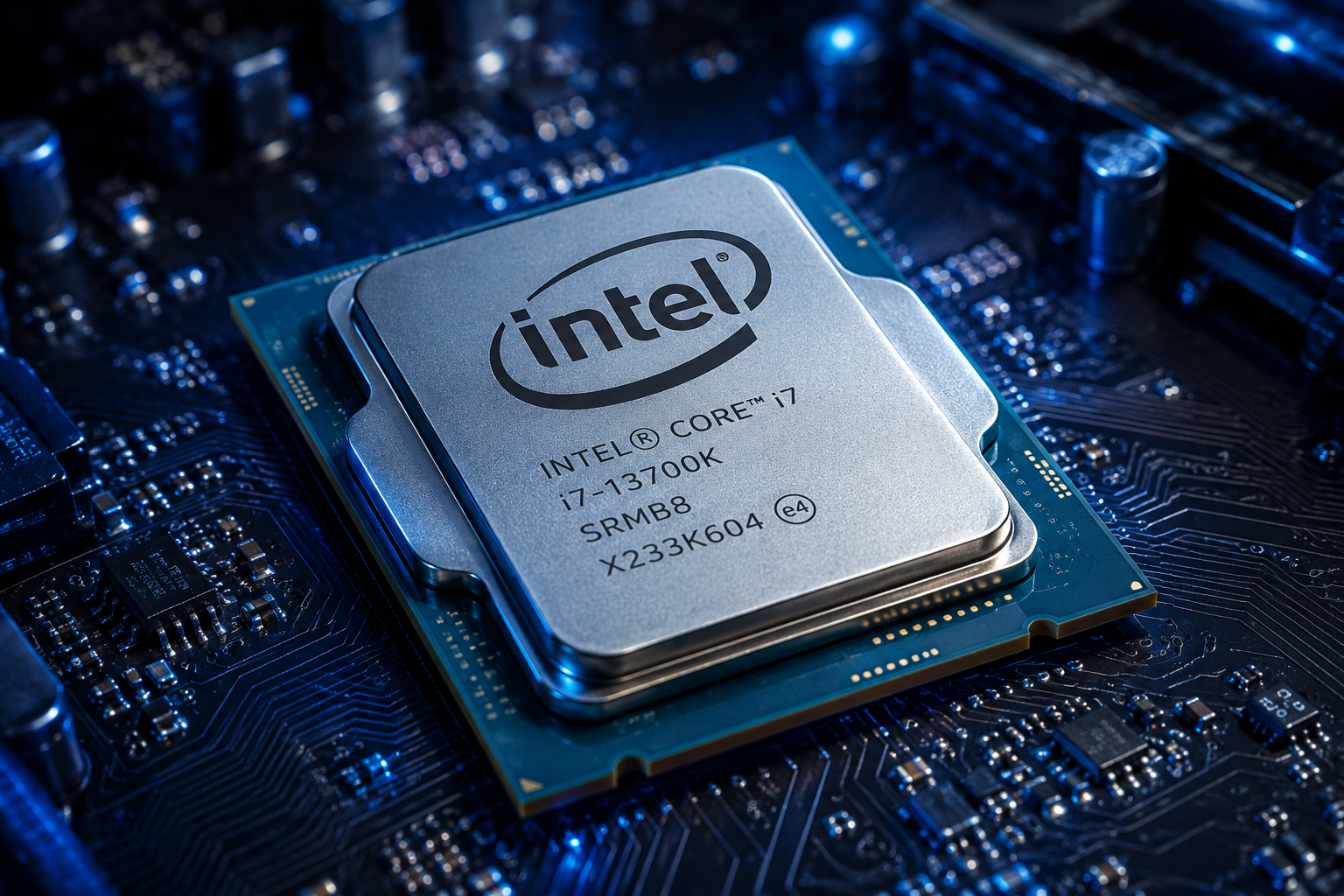
Intel Advances Next-Generation Manufacturing
Intel announced that its highly anticipated Intel 18A-P process node has entered initial production, marking another milestone in the company’s effort to strengthen its position in advanced semiconductor manufacturing.
The 18A-P process is an enhanced version of Intel’s existing 18A technology, offering improved performance, efficiency, and manufacturing capabilities for both Intel-designed products and future foundry customers.
Following this early production phase, Intel plans to move the technology into high-volume manufacturing.
Building on the 18A Platform
Intel’s current 18A process technology already serves as the foundation for several of the company’s newest products, including Core Series 3 processors for consumer laptops and Xeon 6+ processors targeting data center customers.
The new 18A-P node is specifically engineered to deliver higher performance and better output, making it particularly attractive for demanding applications such as artificial intelligence, cloud computing, and advanced enterprise workloads.
The development represents another step in Intel’s long-term manufacturing roadmap aimed at regaining technological leadership in the semiconductor industry.
AI Is Fueling CPU Demand
While graphics processing units (GPUs) remain critical for training and running AI models, central processing units (CPUs) are becoming increasingly important as AI adoption expands.
The rise of AI agents—software systems capable of performing tasks autonomously—has created additional demand for server CPUs that manage workloads, coordinate data processing, and support large-scale AI infrastructure.
Major AI companies including OpenAI and Anthropic have made AI agents a core part of their growth strategies, helping drive demand for the underlying computing infrastructure.
As a result, investors and analysts are increasingly viewing CPUs as a critical component of the broader AI ecosystem.
Foundry Business Gains Momentum
Intel’s manufacturing progress is also supporting its effort to become a major global foundry provider.
The company is seeking to compete directly with Taiwan Semiconductor Manufacturing Company (TSMC) by manufacturing chips for external customers.
Recent reports suggest Google has already placed orders for Intel-manufactured chips, while Nvidia continues evaluating Intel’s process technology for potential future products.
Winning large foundry customers would be a significant achievement for Intel as it seeks to diversify revenue sources and strengthen its position in the global semiconductor supply chain.
Financial Outlook Improving
Intel’s foundry division generated approximately $5.4 billion in first-quarter revenue, though it still recorded an operating loss of $2.4 billion as the company continues investing heavily in manufacturing expansion.
Despite those losses, investor sentiment has improved dramatically.
Intel shares have surged more than 220% year-to-date and nearly 480% over the past 12 months, fueled by optimism surrounding AI-related demand and the company’s manufacturing turnaround strategy.
Wall Street analysts expect Intel’s Data Center and AI segment to benefit significantly from growing CPU demand, with consensus forecasts projecting second-quarter revenue growth of approximately 38% year-over-year.
Looking Ahead
The launch of 18A-P represents another important milestone in Intel’s multi-year turnaround effort under CEO Lip-Bu Tan.
As AI infrastructure spending continues to accelerate globally, Intel hopes its advanced manufacturing capabilities, expanding foundry business, and growing exposure to CPU demand will position the company for sustained growth.
If Intel can successfully execute its manufacturing roadmap and attract additional foundry customers, the company could further strengthen its role in the rapidly evolving AI-driven semiconductor market.
Comparison, examination, and analysis between investment houses
Leave your details, and an expert from our team will get back to you as soon as possible
* This article, in whole or in part, does not contain any promise of investment returns, nor does it constitute professional advice to make investments in any particular field.
To read more about the full disclaimer, click here
- omer bar
- •
- 8 Min Read
- •
- ago 5 hours
SKN | Is Microsoft Really a Deep Value Stock? AI Leadership Challenges Traditional Valuation Metrics
Microsoft Corporation is rarely associated with the term "deep value stock." Traditionally, deep value investments are companies trading at
- ago 5 hours
- •
- 8 Min Read

Microsoft Corporation is rarely associated with the term "deep value stock." Traditionally, deep value investments are companies trading at

- Arik Arkadi Sluzki
- •
- 8 Min Read
- •
- ago 5 hours
SKN | Apple Set for a Strong Second Half? AI, Services Growth, and Product Cycles Could Drive Momentum
Apple Inc. enters the second half of 2026 facing a critical period for both investors and the broader technology
- ago 5 hours
- •
- 8 Min Read

Apple Inc. enters the second half of 2026 facing a critical period for both investors and the broader technology

- Lior mor
- •
- 8 Min Read
- •
- ago 5 hours
SKN | Could Micron Reach New Highs by 2027? AI Demand Fuels Bullish Long-Term Outlook
Micron Technology has emerged as one of the primary beneficiaries of the global artificial intelligence investment cycle. As demand
- ago 5 hours
- •
- 8 Min Read
Micron Technology has emerged as one of the primary beneficiaries of the global artificial intelligence investment cycle. As demand
- omer bar
- •
- 7 Min Read
- •
- ago 6 hours
SKN | Snap Unveils $2,195 AR Glasses as CEO Evan Spiegel Bets Beyond Smartphones
Snap's Biggest Hardware Bet Yet Snap has officially launched Specs, its first augmented reality glasses designed for the broader consumer
- ago 6 hours
- •
- 7 Min Read

Snap's Biggest Hardware Bet Yet Snap has officially launched Specs, its first augmented reality glasses designed for the broader consumer


