





- Lior mor
- •
- 7 Min Read
- •
- 2 hours ago
Key Points
- Nvidia shares are under renewed investor scrutiny as analysts assess whether AI-driven momentum can justify further upside toward ambitious price targets.
- The stock’s trajectory remains tightly linked to data center demand, hyperscale AI infrastructure spending, and semiconductor supply constraints.
- Market participants are debating whether current valuations already reflect peak AI optimism or if another growth leg is still ahead.
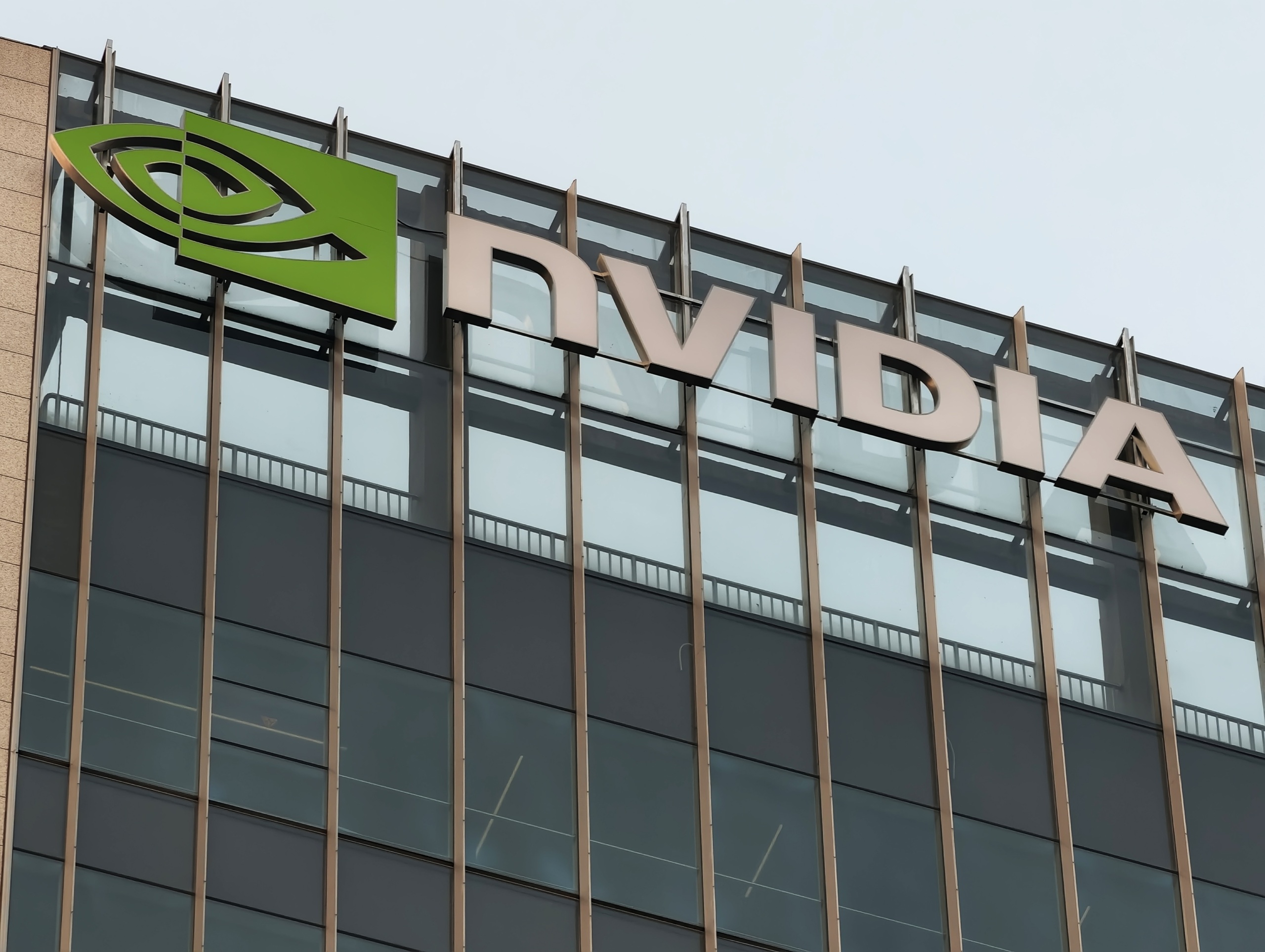
Nvidia Corporation has become the central benchmark for artificial intelligence-driven equity markets, with investor attention now shifting toward whether its valuation can sustain another major upward move over the next 12 months. The question of whether the stock could approach the $743 level reflects both the extraordinary rally already priced into AI-linked semiconductors and the uncertainty surrounding the durability of hyperscale infrastructure spending. For investors in Israel and global markets, Nvidia remains a key barometer of technology sector sentiment and risk appetite.
AI Infrastructure Demand Remains the Core Driver
Nvidia’s performance continues to be anchored in demand for high-performance GPUs used in artificial intelligence training and inference workloads. Hyperscale cloud providers, including major U.S. technology firms, have significantly expanded capital expenditure plans in recent years to build AI-ready data centers, directly benefiting Nvidia’s data center segment, which now represents the majority of its revenue base.
The company’s leadership in advanced GPU architectures, particularly in AI-optimized chips, has positioned it at the center of the global compute buildout. However, investors are increasingly assessing whether the current pace of infrastructure spending is sustainable or whether it will gradually normalize following an accelerated investment cycle. This distinction is critical in evaluating whether additional upside toward aggressive price targets remains feasible.
Valuation Expectations Versus Growth Reality
Nvidia’s market valuation already reflects exceptionally strong growth expectations, with forward multiples influenced heavily by anticipated expansion in AI adoption across industries. While revenue growth has been extraordinary in recent quarters, the stock’s sensitivity to forward guidance means even minor changes in growth expectations can lead to significant price volatility.
Analysts and investors are now weighing whether future earnings surprises will need to come from new product cycles, expansion into enterprise software ecosystems, or continued acceleration in AI chip demand. At the same time, competition in the semiconductor space, particularly from custom AI chip initiatives by large cloud providers, remains a structural variable that could influence long-term margin expectations.
Semiconductor Cycle Dynamics and Market Sentiment
Beyond AI-specific demand, Nvidia remains exposed to broader semiconductor cycle dynamics, including supply chain capacity, component availability, and global technology investment trends. The semiconductor sector has historically experienced periods of rapid expansion followed by normalization phases, making sustained high-growth trajectories difficult to maintain indefinitely.
Investor sentiment toward Nvidia is also shaped by broader macroeconomic factors, including interest rate expectations and global liquidity conditions. Higher rates tend to compress valuation multiples for high-growth equities, while easing financial conditions can support continued expansion in risk assets. This interaction between macro conditions and sector-specific growth expectations is central to Nvidia’s stock trajectory over the coming year.
Outlook: AI Momentum Versus Market Expectations
Looking ahead, Nvidia’s ability to approach or surpass ambitious price targets such as $743 will depend largely on whether AI infrastructure spending continues at its current pace and whether new demand drivers emerge across enterprise and industrial applications. Upcoming earnings reports, hyperscale capex announcements, and competitive developments in AI chip design will be closely monitored by investors.
Risks include valuation compression, potential moderation in AI spending growth, and increased competition in advanced semiconductor design. On the upside, continued expansion of generative AI workloads, enterprise adoption of accelerated computing, and sustained cloud investment could support further earnings growth and valuation expansion.
For global investors, including those in Israel, Nvidia remains one of the most important indicators of the AI investment cycle. Its performance over the next 12 months will likely shape broader sentiment across technology equities and determine whether the current AI-driven rally represents a mid-cycle phase or a more mature valuation peak.
Comparison, examination, and analysis between investment houses
Leave your details, and an expert from our team will get back to you as soon as possible
* This article, in whole or in part, does not contain any promise of investment returns, nor does it constitute professional advice to make investments in any particular field.
To read more about the full disclaimer, click here
- Ronny Mor
- •
- 8 Min Read
- •
- ago 3 hours
SKN | Semiconductor Selloff Deepens as Entegris, Penguin Solutions, and Skyworks Face Sharp Declines
Recent declines across Entegris, Penguin Solutions, and Skyworks Solutions have intensified the broader selloff in semiconductor equities, highlighting renewed investor
- ago 3 hours
- •
- 8 Min Read

Recent declines across Entegris, Penguin Solutions, and Skyworks Solutions have intensified the broader selloff in semiconductor equities, highlighting renewed investor

- omer bar
- •
- 7 Min Read
- •
- ago 3 hours
SKN | Semiconductor Selloff Deepens: Why FormFactor, Semtech, and Photronics Stocks Are Sliding
Recent declines in FormFactor, Semtech, and Photronics have drawn attention to a broader shift in sentiment across the semiconductor industry.
- ago 3 hours
- •
- 7 Min Read

Recent declines in FormFactor, Semtech, and Photronics have drawn attention to a broader shift in sentiment across the semiconductor industry.
- omer bar
- •
- 7 Min Read
- •
- ago 6 hours
SKN | Intel Begins Production of 18A-P Chips as AI Drives Surging CPU Demand
Intel Advances Next-Generation Manufacturing Intel announced that its highly anticipated Intel 18A-P process node has entered initial production, marking another
- ago 6 hours
- •
- 7 Min Read
Intel Advances Next-Generation Manufacturing Intel announced that its highly anticipated Intel 18A-P process node has entered initial production, marking another
- omer bar
- •
- 8 Min Read
- •
- ago 10 hours
SKN | Is Microsoft Really a Deep Value Stock? AI Leadership Challenges Traditional Valuation Metrics
Microsoft Corporation is rarely associated with the term "deep value stock." Traditionally, deep value investments are companies trading at
- ago 10 hours
- •
- 8 Min Read

Microsoft Corporation is rarely associated with the term "deep value stock." Traditionally, deep value investments are companies trading at


