





- omer bar
- •
- 7 Min Read
- •
- 4 days ago


Key Points
- FinCEN has withdrawn its long-pending proposal on unhosted crypto wallets, ending a plan that would have required financial institutions to collect and report information on certain transactions involving self-custodial wallets.
- A separate proposal targeting crypto mixers has also been withdrawn, removing a framework that would have imposed additional reporting requirements on transactions associated with international mixing services.
- The withdrawals do not eliminate future regulatory action, as FinCEN said it will continue monitoring crypto mixers and the underlying statutory authority for similar rules remains in place.
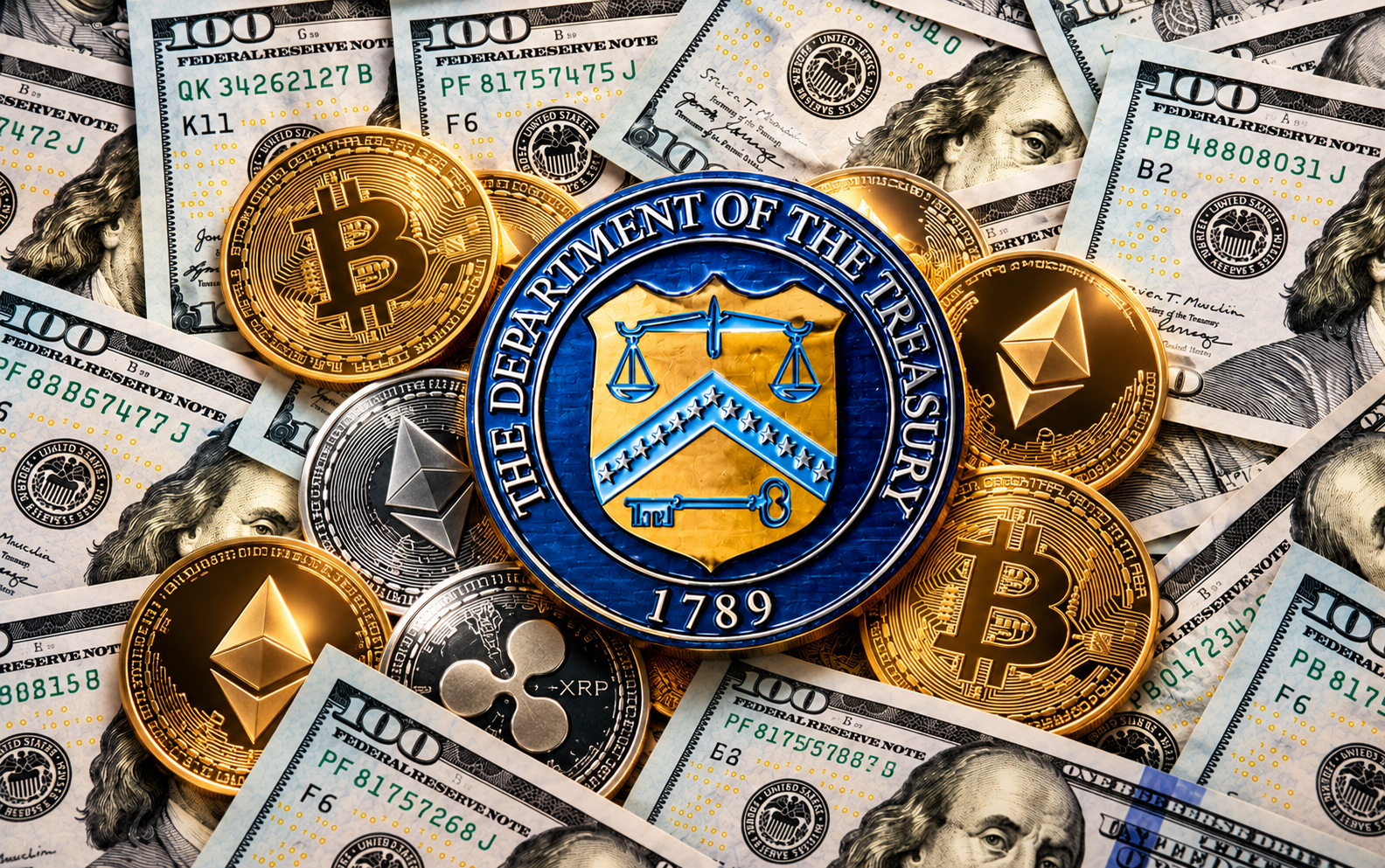
FinCEN Ends Long-Running Wallet Surveillance Proposal
The U.S. Treasury Department’s Financial Crimes Enforcement Network has withdrawn two controversial cryptocurrency surveillance proposals, bringing an end to regulatory initiatives that had drawn significant opposition from the digital-asset industry.
The first involved so-called unhosted or self-custodial wallets, which are controlled directly by users rather than exchanges, banks or other financial intermediaries. The proposal, introduced in December 2020, would have required banks and money services businesses to maintain records for certain transactions involving these wallets and report transactions above specified thresholds.
Under the proposal, transactions involving self-hosted wallets above $3,000 would have triggered recordkeeping requirements, while transactions exceeding $10,000 would have required reporting that included information about the counterparty.
FinCEN stated that it would take no further action on the proposed rule.
Crypto Mixer Proposal Also Withdrawn
The second withdrawal concerns a proposal introduced in 2023 that sought to classify international cryptocurrency mixing as a category of transactions presenting a primary money-laundering concern under the USA PATRIOT Act.
Crypto mixers combine and redistribute digital assets in ways designed to make transaction trails more difficult to follow. Under the proposed framework, financial institutions could have been required to report information including wallet addresses, transaction hashes and IP addresses connected with suspected mixing activity.
FinCEN said commenters had raised concerns that the proposal’s broad definition of mixing could discourage legitimate activity. The agency nevertheless indicated that it will continue monitoring mixers for illicit-finance risks and could pursue additional measures in the future.
Self-Custody Remains a Regulatory Flashpoint
The withdrawals are significant for users and businesses that favor self-custody, because the proposed rules represented an effort to extend financial surveillance requirements further into transactions involving wallets that are not operated by traditional intermediaries.
The notices referenced a July 2025 White House digital-asset report, including its support for the ability of lawful digital-asset users to conduct private transactions on public blockchains.
That approach provides a different regulatory signal from the earlier proposals, although it does not establish that future administrations or agencies will take the same position.
Industry Welcomes the Withdrawals but Sees Further Risk
Coin Center, a cryptocurrency policy organization that had opposed both proposals, welcomed the withdrawals. The organization also cautioned that the statutory authority underlying potential future rules remains available.
That distinction is important for the broader crypto market. Ending the two specific proposals reduces immediate regulatory uncertainty around self-custody and mixing services, but it does not prevent regulators from developing alternative approaches to anti-money-laundering and illicit-finance concerns.
Broader Debate Over Digital-Asset Regulation Continues
The policy debate extends beyond FinCEN. Earlier efforts by the Consumer Financial Protection Bureau also raised questions about whether certain self-custodial wallets, including wallets such as MetaMask, could fall within consumer payment regulations.
The continued debate illustrates the unresolved tension between financial oversight and the design of decentralized digital-asset infrastructure. For crypto businesses and investors, the distinction between custodial and self-custodial services remains an important regulatory issue.
What Investors Should Watch Next
The withdrawal of the two proposals removes immediate uncertainty surrounding two long-running surveillance initiatives and represents a notable development for the U.S. crypto regulatory landscape.
However, the broader policy framework remains unsettled. FinCEN has indicated that it will continue monitoring crypto mixers, while other agencies have separately considered rules affecting self-custody. Investors and digital-asset companies will therefore need to watch whether future regulatory proposals pursue narrower approaches or introduce new reporting requirements.
The next phase of the debate is likely to focus on how policymakers balance illicit-finance enforcement with privacy, self-custody and lawful use of public blockchain networks.
Comparison, examination, and analysis between investment houses
Leave your details, and an expert from our team will get back to you as soon as possible
* This article, in whole or in part, does not contain any promise of investment returns, nor does it constitute professional advice to make investments in any particular field.
To read more about the full disclaimer, click here
- Lior mor
- •
- 8 Min Read
- •
- ago 12 hours
SKN | Could the IRS Saver’s Match Give Eligible Americans Up to $1,000 More for Retirement?
The Internal Revenue Service is notifying taxpayers about a new retirement savings incentive scheduled to begin in 2027. The Saver’s
- ago 12 hours
- •
- 8 Min Read
The Internal Revenue Service is notifying taxpayers about a new retirement savings incentive scheduled to begin in 2027. The Saver’s

- omer bar
- •
- 6 Min Read
- •
- ago 2 days
SKN | Could U.S. Crypto Regulation Remain Uncertain Without a Permanent Market-Structure Law?
Regulators Move Forward as Congress Stalls The U.S. cryptocurrency market is receiving a growing number of regulatory initiatives, but House
- ago 2 days
- •
- 6 Min Read
Regulators Move Forward as Congress Stalls The U.S. cryptocurrency market is receiving a growing number of regulatory initiatives, but House
- omer bar
- •
- 8 Min Read
- •
- ago 3 days
SKN | Could Volta’s 11% AI Loan Yield Signal Rising Financing Risks Across the Data Center Boom?
JPMorgan Chase is marketing a $5 billion leveraged-loan package for Volta Infrastructure Holdings, highlighting the increasingly expensive financing environment facing
- ago 3 days
- •
- 8 Min Read

JPMorgan Chase is marketing a $5 billion leveraged-loan package for Volta Infrastructure Holdings, highlighting the increasingly expensive financing environment facing
- omer bar
- •
- 6 Min Read
- •
- ago 1 week
SKN | Could Metrics’ Redemption Freeze Signal Wider Stress in Australia’s Private Credit Market?
Australia’s private credit market is facing another test after Metrics Credit Partners temporarily suspended investor redemptions from certain funds and
- ago 1 week
- •
- 6 Min Read

Australia’s private credit market is facing another test after Metrics Credit Partners temporarily suspended investor redemptions from certain funds and

