





- Ronny Mor
- •
- 7 Min Read
- •
- 2 months ago


Key Points
- U.S. oil prices moved above $84 per barrel as expectations for a near-term resolution to the Strait of Hormuz disruption weakened.
- Commercial shipping through the Strait of Hormuz remains severely constrained, keeping a significant geopolitical risk premium embedded in energy markets.
- For Israeli and global investors, the key variables remain oil prices, inflation expectations, shipping costs, and the potential economic impact of a prolonged disruption.

U.S. crude oil prices moved above $84 per barrel as hopes for a rapid resolution to the disruption surrounding the Strait of Hormuz weakened and the U.S.-Iran diplomatic deadlock deepened. The move highlights the sensitivity of global energy markets to geopolitical developments, particularly when uncertainty affects one of the world’s most important energy shipping corridors.
The latest market dynamics have broader implications for inflation, transportation costs, corporate margins, and monetary policy expectations. For investors, the central question is increasingly whether the disruption remains a temporary geopolitical shock or develops into a more persistent constraint on global energy flows.
Hormuz Disruption Keeps Risk Premium in Oil Prices
The Strait of Hormuz remains critical to global energy trade, and the continued reduction in commercial shipping has reinforced concerns about supply security. Reuters reported that only around six vessels crossed the strait during a recent 24-hour period, compared with approximately 125 to 140 daily passages before the conflict began. Recent traffic has averaged only around seven vessels per day, underscoring the scale of the disruption. :contentReference[oaicite:0]{index=0}
The limited shipping activity means that even if diplomatic discussions continue, normalization of energy flows may not occur immediately. Shipping operators, insurers, and energy companies must also assess security conditions before restoring regular routes, leaving the market vulnerable to further price volatility.
Oil Prices Create a Wider Macro Challenge
Higher crude prices represent a potential complication for central banks already balancing economic growth against inflation. A prolonged increase in energy costs could raise transportation and production expenses while putting pressure on household purchasing power, particularly in economies that depend heavily on imported energy.
For financial markets, the implications extend beyond oil producers. Airlines, transportation companies, manufacturers, consumer businesses, and other energy-intensive industries could face higher operating costs if elevated crude prices persist. At the same time, renewed inflationary pressure could influence expectations for future interest-rate decisions and bond yields.
Israeli Investors Monitor Energy and Geopolitical Exposure
For Israeli investors, developments surrounding Hormuz carry particular significance because regional security conditions can affect both domestic sentiment and global asset prices. Higher oil prices can influence inflation expectations, the Israeli shekel, transportation costs, and the profitability of energy-intensive businesses.
The broader investment implications also extend to global equity and fixed-income markets. A sustained energy shock could encourage a more defensive positioning across risk assets, while an eventual diplomatic breakthrough could lead to a rapid reduction in the geopolitical premium embedded in crude prices. The contrast between these scenarios makes the direction of negotiations particularly important for portfolio managers.
Outlook: The near-term outlook for crude oil remains highly sensitive to developments around the Strait of Hormuz. A credible diplomatic breakthrough and a gradual restoration of commercial shipping could place downward pressure on oil prices by reducing the geopolitical risk premium. Conversely, continued deadlock, further restrictions on maritime traffic, or renewed regional escalation could sustain elevated prices and increase pressure on global inflation expectations. Investors are likely to monitor actual shipping volumes alongside diplomatic statements, rather than relying solely on political signals. For Israeli and international asset allocators, the key risk remains that a temporary energy shock develops into a longer-lasting supply and inflation challenge, while a credible normalization of Hormuz traffic could create the conditions for greater stability across global markets.
Comparison, examination, and analysis between investment houses
Leave your details, and an expert from our team will get back to you as soon as possible
* This article, in whole or in part, does not contain any promise of investment returns, nor does it constitute professional advice to make investments in any particular field.
To read more about the full disclaimer, click here
- Ronny Mor
- •
- 6 Min Read
- •
- ago 16 hours
SKN | Gold Prices Rise as Dollar Weakens and Treasury Yields Fall
Gold prices advanced on Friday as a softer U.S. dollar and easing Treasury yields supported demand for the precious metal.
- ago 16 hours
- •
- 6 Min Read

Gold prices advanced on Friday as a softer U.S. dollar and easing Treasury yields supported demand for the precious metal.

- sagi habasov
- •
- 7 Min Read
- •
- ago 17 hours
SKN | Oil Prices Fall as Trump Rules Out Iran Strikes Before U.S. Midterms
Oil prices retreated from their session highs on October 8 after U.S. President Donald Trump said Washington would not launch
- ago 17 hours
- •
- 7 Min Read
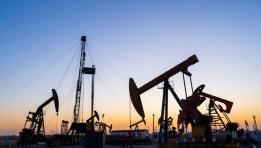
Oil prices retreated from their session highs on October 8 after U.S. President Donald Trump said Washington would not launch

- orshu
- •
- 7 Min Read
- •
- ago 22 hours
SKN | Oil Prices Jump 5% Before Easing as Trump Rules Out Iran Attack This Month
Oil prices surged more than 5% on Thursday before paring gains after President Donald Trump said the United States
- ago 22 hours
- •
- 7 Min Read
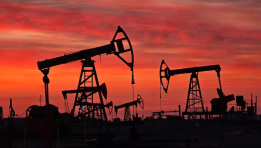
Oil prices surged more than 5% on Thursday before paring gains after President Donald Trump said the United States

- Lior mor
- •
- 6 Min Read
- •
- ago 2 days
SKN | Oil Prices Rise Above $100 as Shipping Attacks Keep Middle East Supply Risks Elevated
Oil prices climbed on Thursday as attacks on shipping in the Gulf and the Strait of Hormuz kept concerns over
- ago 2 days
- •
- 6 Min Read

Oil prices climbed on Thursday as attacks on shipping in the Gulf and the Strait of Hormuz kept concerns over

