





- sagi habasov
- •
- 7 Min Read
- •
- 30 minutes ago


Key Points
- Oil prices pared earlier gains after President Donald Trump said the United States would not attack Iran before the November 3 midterm elections.
- Brent crude settled at $104.28 a barrel, up 4.1%, while West Texas Intermediate (WTI) rose 3.6% to $91.49, despite retreating from intraday highs.
- Persistent Middle East tensions, tanker attacks and hurricane-related production disruptions continue to threaten global oil supplies.
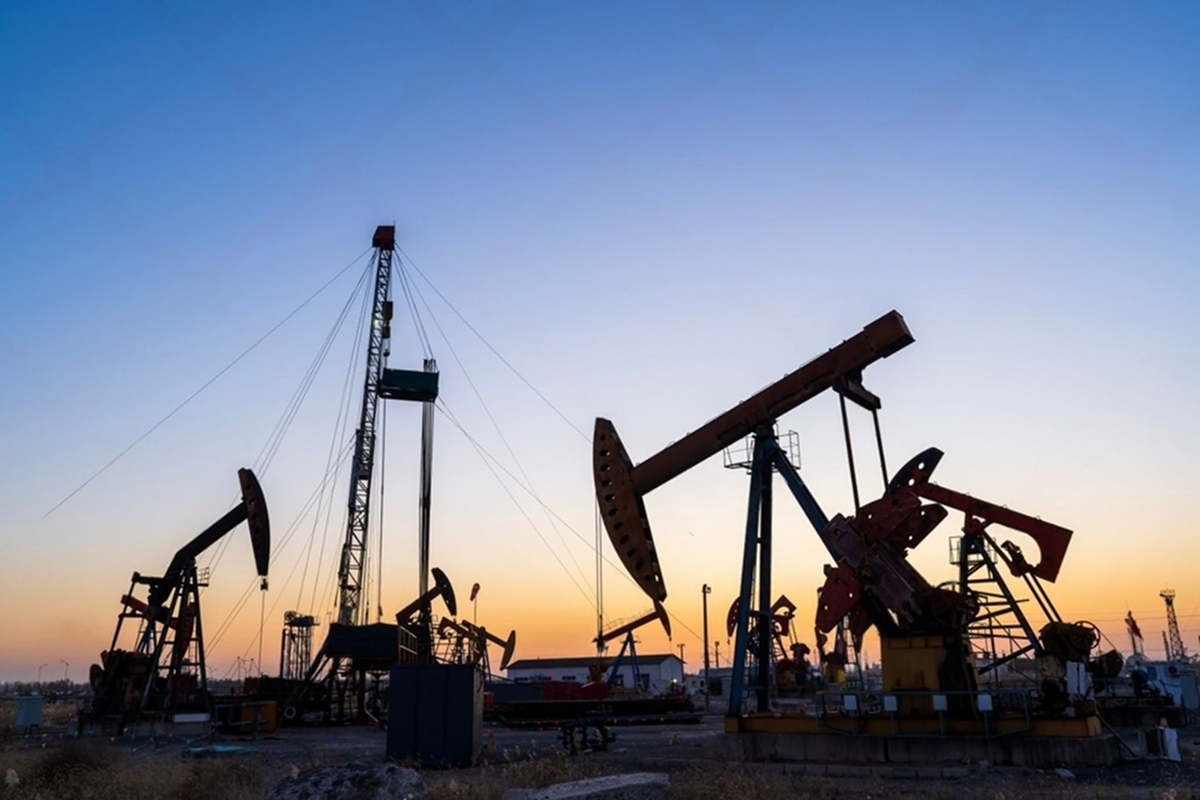
Oil prices retreated from their session highs on October 8 after U.S. President Donald Trump said Washington would not launch attacks against Iran before the November midterm elections, easing some immediate fears of a further escalation in the conflict. However, crude prices remained sharply higher for the day as investors weighed the prospect of reduced military tensions against continuing threats to energy production and shipping routes, underscoring the fragile balance between geopolitical developments and global oil supply.
Trump’s Statement Eases Immediate Geopolitical Concerns
Trump said the United States was engaged in what he described as productive discussions with Iran and ruled out attacking the country before the November 3 elections. The statement followed reports that Washington was considering renewed military action, raising concerns that additional strikes could disrupt Iranian energy infrastructure and further restrict crude shipments from the Persian Gulf.
Oil prices responded by surrendering part of their earlier gains. Brent crude, the international benchmark, had climbed more than 5% during the session before easing. It ultimately settled at $104.28 a barrel, up 4.1%. WTI, the U.S. benchmark, finished at $91.49 a barrel, gaining 3.6% after also retreating from its intraday peak.
The distinction between the intraday pullback and the daily closing gain is important. Trump’s comments reduced some immediate fears of military escalation, but they did not eliminate the supply risks already reflected in the market. Investors also remain cautious about whether diplomatic discussions will produce a lasting reduction in regional tensions.
Strait of Hormuz Remains Central to the Oil Outlook
The Strait of Hormuz remains a critical factor in global energy markets because a substantial share of the world’s oil and liquefied natural gas shipments normally passes through the narrow waterway. Any sustained disruption to tanker movements could tighten available supplies, increase transportation costs and push crude prices higher.
Recent attacks on commercial vessels in the Gulf have reinforced these concerns. Market participants are monitoring shipping activity, insurance costs and the security of energy infrastructure alongside developments in U.S.-Iran relations. Even without new American strikes, continued hostilities involving Iran and regional groups could threaten the movement of crude oil and petroleum products.
Trump also claimed that oil was flowing through the Strait of Hormuz in record volumes. However, market confidence will depend on actual shipping flows and the durability of any improvement, rather than political statements alone.
Hurricane Risks Add Pressure to Global Supply
Geopolitical uncertainty is not the only factor supporting oil prices. Hurricane Isaias is approaching the U.S. Gulf Coast, prompting energy producers to suspend some offshore operations as a precaution. Approximately 1.3 million barrels per day of crude production in the U.S. Gulf of Mexico had been shut in, representing more than 60% of the region’s output.
These disruptions create an additional supply risk at a time when Middle East tensions are already contributing to market volatility. Higher crude prices can also feed into fuel, transportation and manufacturing costs, complicating the outlook for inflation and central-bank interest-rate decisions.
Going forward, traders will watch diplomatic developments between Washington and Tehran, tanker movements through the Strait of Hormuz and the extent of hurricane-related production losses. The central question is whether reduced expectations of immediate military escalation will outweigh ongoing supply disruptions. Until clearer evidence emerges, oil prices are likely to remain sensitive to geopolitical announcements and changes in physical supply.
Comparison, examination, and analysis between investment houses
Leave your details, and an expert from our team will get back to you as soon as possible
* This article, in whole or in part, does not contain any promise of investment returns, nor does it constitute professional advice to make investments in any particular field.
To read more about the full disclaimer, click here
- orshu
- •
- 7 Min Read
- •
- ago 5 hours
SKN | Oil Prices Jump 5% Before Easing as Trump Rules Out Iran Attack This Month
Oil prices surged more than 5% on Thursday before paring gains after President Donald Trump said the United States
- ago 5 hours
- •
- 7 Min Read

Oil prices surged more than 5% on Thursday before paring gains after President Donald Trump said the United States

- Lior mor
- •
- 6 Min Read
- •
- ago 1 day
SKN | Oil Prices Rise Above $100 as Shipping Attacks Keep Middle East Supply Risks Elevated
Oil prices climbed on Thursday as attacks on shipping in the Gulf and the Strait of Hormuz kept concerns over
- ago 1 day
- •
- 6 Min Read

Oil prices climbed on Thursday as attacks on shipping in the Gulf and the Strait of Hormuz kept concerns over
- orshu
- •
- 6 Min Read
- •
- ago 1 day
SKN | Oil Prices Settle Lower as IEA Accelerates Emergency Stock Release
Oil prices settled lower on Wednesday after a volatile session as the International Energy Agency agreed to accelerate the
- ago 1 day
- •
- 6 Min Read

Oil prices settled lower on Wednesday after a volatile session as the International Energy Agency agreed to accelerate the
- orshu
- •
- 7 Min Read
- •
- ago 2 days
SKN | Global Oil Inventories Near a Critical Buffer as Supply Risks Persist
The global oil market has used up much of its available inventory buffer following major supply disruptions linked to
- ago 2 days
- •
- 7 Min Read

The global oil market has used up much of its available inventory buffer following major supply disruptions linked to

