





- Lior mor
- •
- 7 Min Read
- •
- 7 seconds ago


Key Points
- The Trump administration is preparing new import duties after a U.S. investigation into excess industrial capacity among 16 major trading partners.
- New tariffs could be announced as soon as Tuesday and are expected to stack on top of existing duties, with rates varying by country.
- The measures could increase tariffs on Chinese goods, complicating the fragile U.S.-China trade truce and adding uncertainty to global supply chains.

The Trump administration is preparing to unveil the findings of a U.S. investigation into alleged excess industrial capacity among 16 major trading partners, potentially opening the way for another round of import duties. The expected measures would add to tariffs already imposed during President Donald Trump’s second term, increasing uncertainty for global manufacturers, exporters and investors.
According to three people familiar with the matter, the investigation’s findings could be released as soon as Tuesday afternoon, with the U.S. Trade Representative’s office expected to propose additional duties across a broad range of goods. The move represents another escalation in Washington’s effort to address what it considers structural imbalances in global manufacturing.
Washington Targets Excess Industrial Capacity
The investigation focuses on excess industrial capacity among 16 major U.S. trading partners. The administration’s concern is that production capacity exceeding domestic demand can encourage manufacturers to export surplus goods into international markets, potentially putting pressure on U.S. producers.
New duties would provide another mechanism for Washington to restrict the impact of those exports on domestic industries. However, the approach could also increase costs for U.S. importers and companies that rely on international supply chains, depending on the products and countries ultimately targeted.
The expected tariffs are not necessarily uniform. Sources said rates would vary by country, while existing caps established under trade agreements would be honored. That could create a more complex tariff environment in which companies face different levels of import costs depending on their production and sourcing locations.
China Faces Additional Trade Pressure
China is likely to face particular attention under the new measures. Additional duties on Chinese goods would complicate the U.S.-China trade truce, adding another layer of uncertainty to an already closely monitored economic relationship.
For companies operating across Asia and other manufacturing hubs, the prospect of higher tariffs could encourage further adjustments to supply chains. Businesses may reassess production locations, sourcing strategies and export markets if tariff differences between countries become sufficiently large.
The broader implications extend beyond bilateral trade. China remains deeply integrated into global manufacturing networks, meaning changes in U.S. tariff policy can influence suppliers and producers in countries that participate in the same production chains even when those companies are not directly based in China.
Markets Face Another Layer of Trade Uncertainty
The timing is significant for global markets already dealing with uncertainty surrounding economic growth, corporate spending and monetary policy. Additional tariffs could raise import costs and potentially contribute to inflationary pressure, while retaliation from affected trading partners could weigh on international trade volumes.
For sophisticated investors, the key issue will be the scale and implementation of the measures rather than the announcement alone. Country-specific tariff rates, product coverage and trade-agreement exemptions will determine which industries face the greatest direct impact.
Looking ahead, investors and multinational companies will monitor the administration’s final tariff schedule, potential responses from affected governments and any changes to existing trade agreements. If the measures significantly increase duties on Chinese and other foreign goods, businesses could accelerate supply-chain diversification and capital allocation toward alternative manufacturing locations. The policy could therefore have effects well beyond near-term import prices, potentially reshaping global trade patterns and corporate investment decisions.
Comparison, examination, and analysis between investment houses
Leave your details, and an expert from our team will get back to you as soon as possible
* This article, in whole or in part, does not contain any promise of investment returns, nor does it constitute professional advice to make investments in any particular field.
To read more about the full disclaimer, click here
- orshu
- •
- 6 Min Read
- •
- ago 22 hours
SKN | Fed’s Williams Sees 2027 as a Year of Lower Inflation Despite Persistent Economic Challenges
Federal Reserve officials continue to balance persistent inflation risks against signs of economic resilience as markets assess the future
- ago 22 hours
- •
- 6 Min Read

Federal Reserve officials continue to balance persistent inflation risks against signs of economic resilience as markets assess the future

- Ronny Mor
- •
- 8 Min Read
- •
- ago 1 day
SKN | Cracks in the AI Rally: Why Is Barclays Recommending a Shift to U.S. Quality Stocks?
After a prolonged period in which the artificial intelligence revolution pulled equity markets higher as a single block, Wall Street
- ago 1 day
- •
- 8 Min Read

After a prolonged period in which the artificial intelligence revolution pulled equity markets higher as a single block, Wall Street
- orshu
- •
- 6 Min Read
- •
- ago 3 days
SKN | Trump Signals Bipartisan Push to Cap Credit Card Interest Rates at 10%
President Donald Trump has renewed his support for limiting credit card interest rates to 10%, signaling a willingness to
- ago 3 days
- •
- 6 Min Read
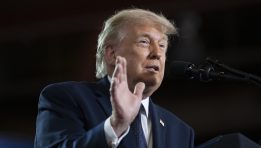
President Donald Trump has renewed his support for limiting credit card interest rates to 10%, signaling a willingness to

- Arik Arkadi Sluzki
- •
- 6 Min Read
- •
- ago 3 days
SKN | Foreign Holdings of U.S. Treasuries Decline to Their Lowest Level in a Year
Foreign holdings of U.S. Treasury securities declined again in September, extending a broader downward trend in international ownership of
- ago 3 days
- •
- 6 Min Read

Foreign holdings of U.S. Treasury securities declined again in September, extending a broader downward trend in international ownership of

