




- orshu
- •
- 8 Min Read
- •
- 1 minute ago


Key Points
- Israeli equities staged a broad recovery on November 6, with the Tel Aviv-35 rising 3.09% to 3,941.14 and the Tel Aviv-125 advancing 2.81% to 3,823.63.
- All eight listed benchmarks closed higher, led by the Tel Aviv-20, which gained 3.41%, while the Tel Aviv-90 advanced 1.84%.
- Stock turnover reached approximately NIS 4.10 billion, while bond turnover totaled approximately NIS 2.29 billion. Israel Canada surged 11.54%, while Avisror declined 10.76%.
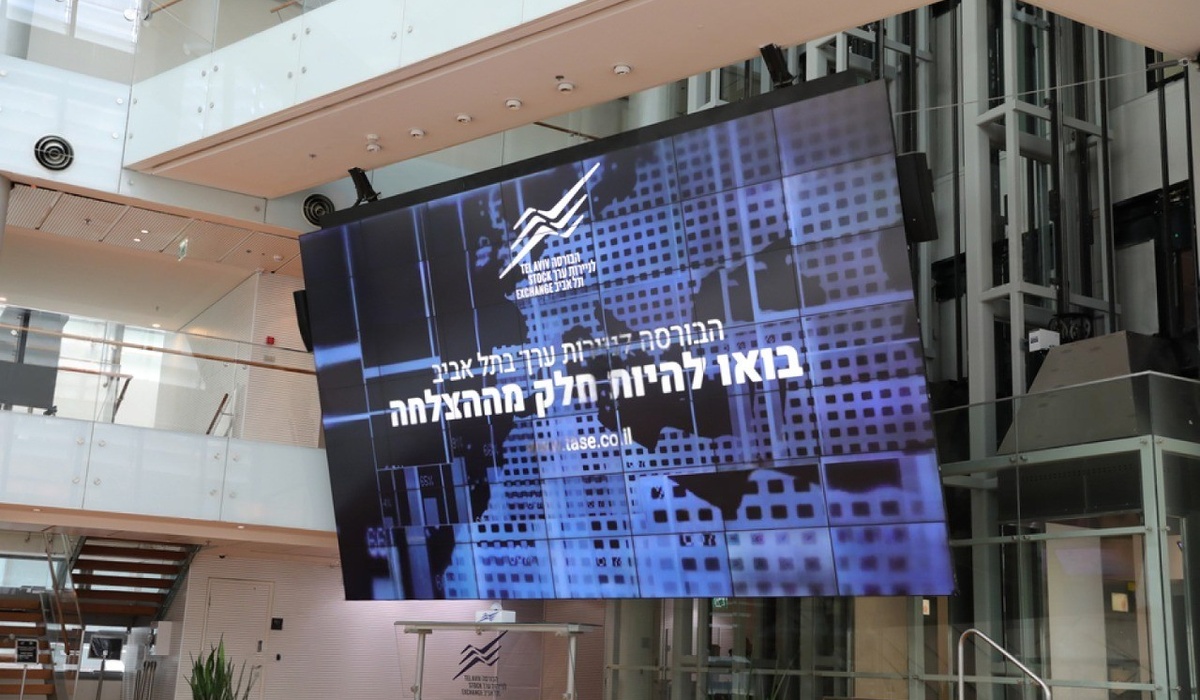
Israeli Equities Rebound After Sharp Declines
The Tel Aviv Stock Exchange recorded a strong recovery on November 6, with all eight listed benchmarks advancing following the sharp losses of the previous session. The Tel Aviv-35 climbed 3.09% to 3,941.14, while the broader Tel Aviv-125 gained 2.81% to 3,823.63. The Tel Aviv-90 advanced 1.84% to 3,469.84.
The rebound followed November 5’s substantial sell-off, when the Tel Aviv-35 dropped 3.69% and the Tel Aviv-125 declined 3.38%. The latest gains reversed a significant portion of the previous session’s losses, although both indices remained below their October 30 closing levels.
The recovery extended across the broader market. The Tel Aviv-20 recorded the strongest gain among the listed benchmarks, advancing 3.41% to 3,751.67. The Tel Aviv-SME60 rose 2.77% to 1,158.11, while the Tel Aviv-200 gained 2.25% to 3,649.82. The Tel Aviv Sector-Balance index advanced 2.26% to 4,353.12, and the Tel Aviv-90 and Banks index increased 2.74% to 3,743.50.
The synchronized gains indicate that the recovery extended beyond the largest companies, although the available data does not establish the specific catalysts behind the rebound.
Broad Market Participation Supports the Recovery
All eight listed benchmarks finished higher, suggesting that the recovery was not restricted to a single segment of the equity market. The Tel Aviv-35 and Tel Aviv-125 recorded gains above 2.8%, while the Tel Aviv-90 and Tel Aviv-SME60 also posted advances of more than 1.8% and 2.7%, respectively.
The Tel Aviv-20’s 3.41% increase was particularly notable, placing it ahead of the other listed benchmarks in percentage terms. The performance of the Tel Aviv-200 and Sector-Balance indices further demonstrated that the rebound extended across a wider range of listed securities.
However, advance-decline counts were not provided in the supplied data. Consequently, the extent of participation at the individual-stock level cannot be quantified, and the index gains alone do not establish how many constituent securities advanced.
Trading Activity and Market Turnover
Stock turnover reached approximately NIS 4.10 billion, based on reported activity of NIS 4.098 billion. Bond turnover totaled approximately NIS 2.29 billion, leaving equity trading activity around NIS 1.81 billion higher than bond-market turnover.
The Tel Aviv-125 recorded approximately NIS 2.88 billion in turnover, while the Tel Aviv-200 registered approximately NIS 3.03 billion. The Tel Aviv Sector-Balance index generated around NIS 2.75 billion in turnover, and the Tel Aviv-35 recorded approximately NIS 2.17 billion.
These index-level turnover figures may overlap and should not be added together to calculate total market turnover. Nevertheless, the overall figures indicate that the market’s rebound occurred alongside meaningful equity trading activity.
Individual Stocks Show Significant Divergence
Among the reported Tel Aviv-125 constituents, Israel Canada surged 11.54% to 1,160, making it the strongest reported gainer. Avisror moved sharply in the opposite direction, declining 10.76% to 1,062.
The difference between the two movements highlights the continued divergence in individual-stock performance despite the broad recovery in the major indices. Workers recorded approximately NIS 224.55 million in turnover, making it a notable individual trading figure during the session.
The supplied figures do not identify the company-specific catalysts behind these movements, so their underlying drivers cannot be established from the available market data.
What Investors Should Watch Next
The next trading sessions will help determine whether the November 6 recovery can develop into a more sustained stabilization. The Tel Aviv-35’s move toward 3,950 and the Tel Aviv-125’s recovery to 3,823.63 provide important reference points for monitoring near-term direction.
Investors may also watch whether gains continue across large-cap, mid-cap, and broader-market indices. Sustained advances accompanied by stronger individual-stock participation would provide more convincing evidence of a broader recovery.
Trading turnover and the performance of the banking and technology-related segments will also remain relevant as investors assess whether the latest rebound can withstand renewed market pressure.
Closing Insights
The November 6 session delivered a broad recovery across the Tel Aviv Stock Exchange, with all eight listed benchmarks advancing following the previous day’s sharp sell-off. The Tel Aviv-35 gained 3.09%, while the Tel Aviv-125 rose 2.81%, supported by strong performances across several market segments. Although the rebound was substantial, the next sessions will determine whether it marks the beginning of a more durable recovery or a temporary interruption in the recent decline.
Comparison, examination, and analysis between investment houses
Leave your details, and an expert from our team will get back to you as soon as possible
* This article, in whole or in part, does not contain any promise of investment returns, nor does it constitute professional advice to make investments in any particular field.
To read more about the full disclaimer, click here
- orshu
- •
- 7 Min Read
- •
- ago 2 hours
SKN | Nasdaq Rebounds as US Markets Deliver Mixed Performance Amid Sharp Small-Cap Decline
US financial markets presented a mixed picture on November 6, with gains across major technology and large-cap equity benchmarks
- ago 2 hours
- •
- 7 Min Read
US financial markets presented a mixed picture on November 6, with gains across major technology and large-cap equity benchmarks

- Ronny Mor
- •
- 7 Min Read
- •
- ago 2 hours
SKN | Wall Street Seeks Stability After Multi-Trillion-Dollar Tech Selloff
Global financial markets were attempting to stabilize on Friday after a sharp technology-led selloff erased trillions of dollars in
- ago 2 hours
- •
- 7 Min Read
Global financial markets were attempting to stabilize on Friday after a sharp technology-led selloff erased trillions of dollars in

- Lior mor
- •
- 7 Min Read
- •
- ago 2 hours
SKN | Nasdaq Targets Rebound as Chip Stocks Stabilize While Rate-Hike Fears Persist
U.S. equity markets were positioned for a stronger open on Friday as semiconductor shares began recovering from a sharp
- ago 2 hours
- •
- 7 Min Read
U.S. equity markets were positioned for a stronger open on Friday as semiconductor shares began recovering from a sharp
- orshu
- •
- 6 Min Read
- •
- ago 6 hours
SKN | Asian Markets Plunge on November 6, 2026 as KOSPI and Nikkei Lose More Than 5%
Asian Markets Face Widespread Selling Pressure Asian markets experienced a sharp downturn on November 6, 2026, as significant losses in
- ago 6 hours
- •
- 6 Min Read

Asian Markets Face Widespread Selling Pressure Asian markets experienced a sharp downturn on November 6, 2026, as significant losses in
