





- sagi habasov
- •
- 7 Min Read
- •
- 2 hours ago
Key Points
- SK Hynix has begun shipping samples of next-generation memory chips to major customers, signaling progress in advanced semiconductor development.
- The move strengthens its strategic position within Nvidia’s AI supply chain amid rising demand for high-bandwidth memory.
- Investors are assessing whether early sampling indicates a broader acceleration in AI-driven memory capacity expansion.
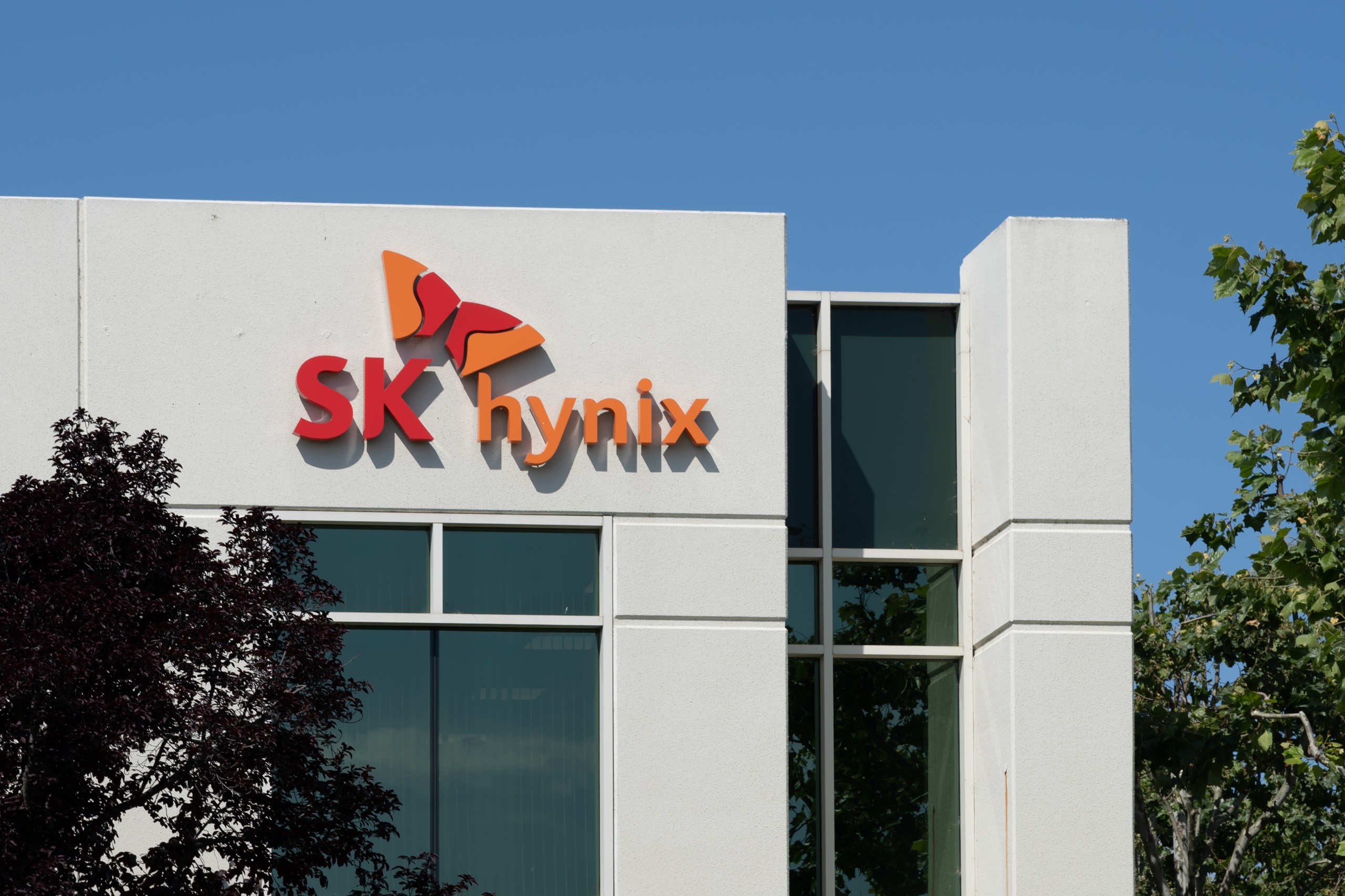
SK Hynix, one of the world’s leading memory chip manufacturers and a key supplier to Nvidia, has reportedly begun shipping samples of its next-generation chips to major customers. The development comes at a time when artificial intelligence-driven computing demand continues to reshape the global semiconductor landscape. For investors in Israel and international markets, the move underscores intensifying competition in advanced memory technologies critical for AI infrastructure scaling.
Next-Generation Memory Push Strengthens AI Supply Chain Positioning
The shipment of early samples signals SK Hynix’s continued advancement in high-bandwidth memory (HBM) development, a critical component for AI accelerators and data center GPUs. HBM technologies are essential for supporting the massive data throughput required by large-scale AI models, making them a central focus for leading chipmakers supplying companies such as Nvidia.
While sample shipments do not yet represent mass production, they are typically a key milestone in validating performance, compatibility, and yield expectations with hyperscale customers. This phase allows SK Hynix to engage directly with major technology firms to refine specifications before full-scale commercialization.
The development highlights the increasingly tight integration between memory suppliers and AI chip designers, where product cycles are closely coordinated to meet rapidly expanding compute demand.
AI Demand Continues to Drive Semiconductor Innovation
The broader semiconductor sector is experiencing sustained demand growth driven by artificial intelligence infrastructure expansion across cloud computing, enterprise software, and data analytics platforms. Memory bandwidth has become one of the most critical constraints in AI system performance, pushing suppliers to accelerate innovation cycles.
SK Hynix, alongside competitors in the DRAM and HBM space, is benefiting from this structural shift. Nvidia’s rapid expansion of AI GPU deployments has significantly increased demand for advanced memory solutions, tightening supply chains and placing pressure on manufacturers to scale production capabilities.
At the same time, industry participants are closely monitoring whether current AI-related demand represents a sustained multi-year growth cycle or whether future growth rates may normalize following an intense period of infrastructure buildout.
Competitive Landscape and Strategic Implications
The memory semiconductor market remains highly competitive, with SK Hynix, Samsung Electronics, and Micron Technology all investing heavily in next-generation HBM technologies. Leadership in this segment is increasingly tied to long-term contracts with AI-focused customers, particularly hyperscale cloud providers and GPU manufacturers.
SK Hynix’s early sampling strategy is viewed as a key step in securing future supply agreements, particularly as Nvidia continues to dominate the AI accelerator market. Successful qualification of next-generation chips could strengthen SK Hynix’s positioning within the most lucrative segment of the memory industry.
However, the competitive race also introduces execution risks, including yield optimization, production scalability, and pricing pressure once broader commercial availability begins.
Outlook: AI Memory Demand and Supply Chain Expansion in Focus
Looking ahead, investor attention will center on the transition from sample testing to mass production, as well as customer validation timelines from major AI chip buyers. Any acceleration in adoption of next-generation HBM could further tighten supply and support pricing strength across the memory sector.
Risks include potential delays in qualification processes, intensifying competition among memory suppliers, and cyclical volatility in semiconductor demand beyond AI-related applications. On the positive side, continued expansion of AI workloads across cloud and enterprise environments could sustain strong demand for advanced memory technologies over the medium term.
For investors in Israel and globally, SK Hynix’s latest move reinforces a broader structural theme: the AI revolution is not only driven by GPUs and software, but also by the rapid evolution of the memory technologies that enable large-scale computing performance.
Comparison, examination, and analysis between investment houses
Leave your details, and an expert from our team will get back to you as soon as possible
* This article, in whole or in part, does not contain any promise of investment returns, nor does it constitute professional advice to make investments in any particular field.
To read more about the full disclaimer, click here
- Ronny Mor
- •
- 7 Min Read
- •
- ago 1 hour
SKN | Could AI-Driven Costs Force Apple to Raise iPhone Prices? Structural Pressures Mount
Apple Inc. is facing growing market scrutiny as artificial intelligence integration across its ecosystem introduces new cost pressures that may
- ago 1 hour
- •
- 7 Min Read

Apple Inc. is facing growing market scrutiny as artificial intelligence integration across its ecosystem introduces new cost pressures that may

- Lior mor
- •
- 8 Min Read
- •
- ago 2 hours
SKN | Why Are Freshworks, AppLovin, and Veeva Systems Stocks Under Pressure?
Software equities including Freshworks, AppLovin, and Veeva Systems are trading lower in recent sessions as investors recalibrate expectations across the
- ago 2 hours
- •
- 8 Min Read

Software equities including Freshworks, AppLovin, and Veeva Systems are trading lower in recent sessions as investors recalibrate expectations across the
- Ronny Mor
- •
- 7 Min Read
- •
- ago 3 hours
SKN | Will Noam Shazeer’s Move From Google’s Gemini to OpenAI Reshape the AI Talent War?
The reported departure of Noam Shazeer, a co-lead of Google’s Gemini initiative, to OpenAI marks a significant shift in the
- ago 3 hours
- •
- 7 Min Read

The reported departure of Noam Shazeer, a co-lead of Google’s Gemini initiative, to OpenAI marks a significant shift in the

- omer bar
- •
- 7 Min Read
- •
- ago 8 hours
SKN | Amazon AI Executive Predicts First Commercially Useful Quantum Computers Within 5–7 Years
Amazon Sees Quantum Computing Approaching Commercial Reality Amazon is becoming increasingly optimistic about the future of quantum computing, with one
- ago 8 hours
- •
- 7 Min Read

Amazon Sees Quantum Computing Approaching Commercial Reality Amazon is becoming increasingly optimistic about the future of quantum computing, with one


