





- Ronny Mor
- •
- 7 Min Read
- •
- 1 hour ago
Key Points
- Artificial intelligence-related component costs are adding new pressure on Apple’s production and supply chain economics, potentially influencing future iPhone pricing strategy.
- Rising semiconductor and advanced chip demand is reshaping cost structures across the smartphone industry.
- Investors are assessing whether Apple can absorb higher AI-related costs or pass them on to consumers without impacting demand.
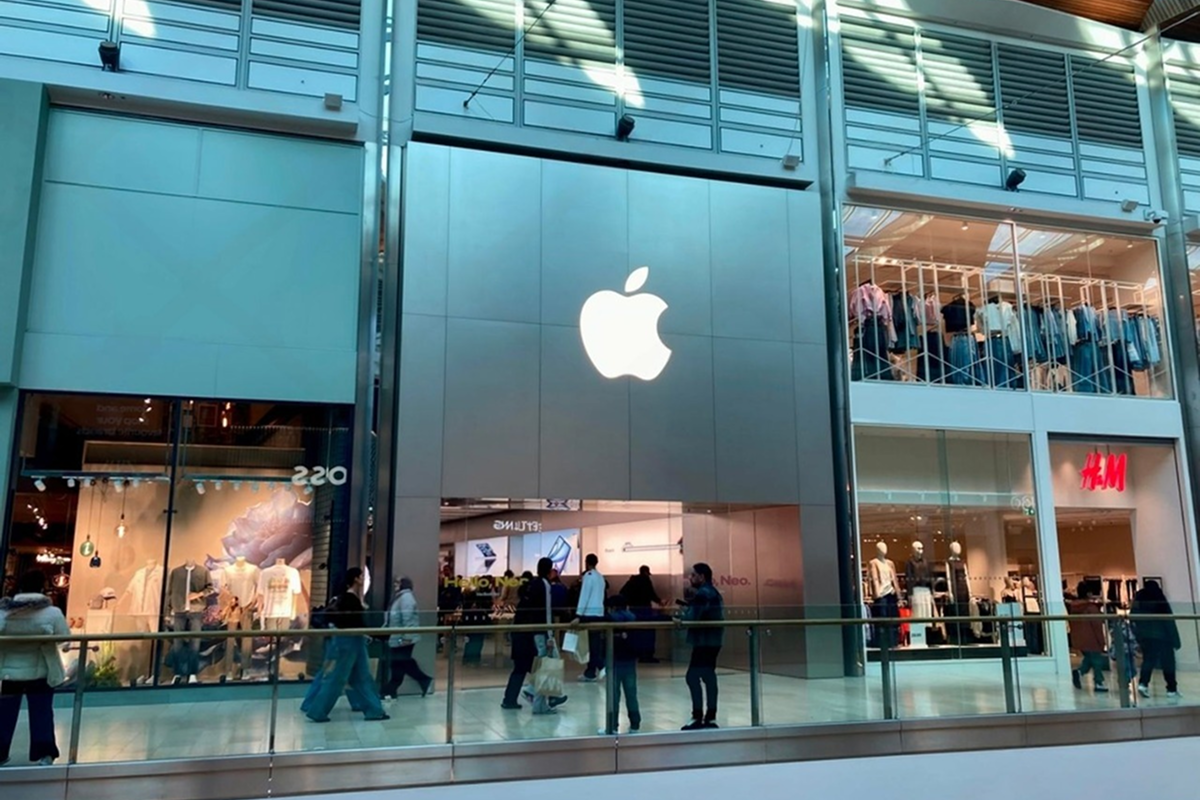
Apple Inc. is facing growing market scrutiny as artificial intelligence integration across its ecosystem introduces new cost pressures that may eventually influence iPhone pricing. The development comes at a time when the global smartphone market is stabilizing after years of cyclical fluctuations, while semiconductor and AI-related component demand continues to rise. For investors in Israel and global markets, the issue highlights how AI is reshaping not only innovation cycles but also pricing dynamics in consumer technology.
AI Integration Increases Hardware Cost Complexity
Apple’s ongoing push to embed artificial intelligence features across its devices is increasing reliance on advanced silicon, including higher-performance processors, memory solutions, and dedicated AI acceleration capabilities. These components are more expensive to design and manufacture, particularly as demand across the semiconductor industry intensifies due to AI workloads.
While Apple has historically managed tight control over its hardware ecosystem, the integration of AI capabilities requires more advanced chip architectures, which may reduce flexibility in cost optimization. Suppliers across the semiconductor value chain, including memory and GPU-related manufacturers, are experiencing pricing pressure driven by global AI infrastructure expansion. This environment increases the cost base for consumer electronics manufacturers that depend on these components.
Semiconductor Supply Chain Pressure and Pricing Strategy
The broader semiconductor ecosystem is under strain as artificial intelligence demand accelerates across data centers, cloud computing, and edge devices. This shift is tightening supply for high-performance chips and memory technologies, creating upward pressure on input costs.
For Apple, which relies on a highly optimized supply chain, even marginal increases in component pricing can have meaningful implications for gross margins at scale. The company must balance absorbing higher costs with maintaining competitive pricing in a smartphone market that is becoming increasingly sensitive to affordability, particularly in emerging markets.
At the same time, Apple’s pricing strategy has historically been supported by strong brand loyalty and premium positioning, allowing some degree of pricing flexibility. However, sustained cost inflation in AI-related hardware could test this balance if trends persist over multiple product cycles.
Market Implications and Investor Considerations
From an investor perspective, the key question is whether AI-driven cost increases represent a temporary adjustment phase or a structural shift in smartphone economics. Apple’s ability to offset higher costs through services revenue growth, efficiency gains, and supply chain negotiation will be closely monitored in upcoming product cycles.
Competitive dynamics also play a role, as rival smartphone manufacturers integrate AI features at different price points, potentially influencing industry-wide pricing benchmarks. Meanwhile, global macroeconomic conditions, including consumer spending trends and interest rate expectations, remain critical in shaping demand elasticity for premium devices.
Outlook: Pricing Power Versus Cost Inflation
Looking ahead, Apple’s trajectory will depend on how effectively it manages the trade-off between AI-driven innovation costs and maintaining stable consumer demand. Upcoming product launches and disclosures around AI capabilities will provide clearer signals on whether pricing adjustments are being considered or whether internal efficiencies can offset rising expenses.
Key risks include prolonged semiconductor cost inflation, intensified competition in AI-enabled smartphones, and weaker-than-expected consumer demand in key markets. On the other hand, successful AI differentiation across Apple’s ecosystem could strengthen long-term pricing power if consumers perceive meaningful value enhancement.
For investors in Israel and globally, Apple’s evolving cost structure underscores a broader theme across technology markets: artificial intelligence is not only a driver of innovation, but also a force reshaping margins, pricing strategies, and long-term profitability models across the consumer electronics industry.
Comparison, examination, and analysis between investment houses
Leave your details, and an expert from our team will get back to you as soon as possible
* This article, in whole or in part, does not contain any promise of investment returns, nor does it constitute professional advice to make investments in any particular field.
To read more about the full disclaimer, click here
- sagi habasov
- •
- 7 Min Read
- •
- ago 2 hours
SKN | SK Hynix Moves Forward on Next-Gen Memory Supply as AI Demand Accelerates — What Investors Need to Know
SK Hynix, one of the world’s leading memory chip manufacturers and a key supplier to Nvidia, has reportedly begun shipping
- ago 2 hours
- •
- 7 Min Read

SK Hynix, one of the world’s leading memory chip manufacturers and a key supplier to Nvidia, has reportedly begun shipping

- Lior mor
- •
- 8 Min Read
- •
- ago 2 hours
SKN | Why Are Freshworks, AppLovin, and Veeva Systems Stocks Under Pressure?
Software equities including Freshworks, AppLovin, and Veeva Systems are trading lower in recent sessions as investors recalibrate expectations across the
- ago 2 hours
- •
- 8 Min Read

Software equities including Freshworks, AppLovin, and Veeva Systems are trading lower in recent sessions as investors recalibrate expectations across the

- Ronny Mor
- •
- 7 Min Read
- •
- ago 3 hours
SKN | Will Noam Shazeer’s Move From Google’s Gemini to OpenAI Reshape the AI Talent War?
The reported departure of Noam Shazeer, a co-lead of Google’s Gemini initiative, to OpenAI marks a significant shift in the
- ago 3 hours
- •
- 7 Min Read
The reported departure of Noam Shazeer, a co-lead of Google’s Gemini initiative, to OpenAI marks a significant shift in the

- omer bar
- •
- 7 Min Read
- •
- ago 8 hours
SKN | Amazon AI Executive Predicts First Commercially Useful Quantum Computers Within 5–7 Years
Amazon Sees Quantum Computing Approaching Commercial Reality Amazon is becoming increasingly optimistic about the future of quantum computing, with one
- ago 8 hours
- •
- 7 Min Read

Amazon Sees Quantum Computing Approaching Commercial Reality Amazon is becoming increasingly optimistic about the future of quantum computing, with one


