





- Lior mor
- •
- 6 Min Read
- •
- 3 minutes ago


Key Points
- OPEC+ kept December production targets unchanged, signaling no further policy adjustment until next year.
- Gulf producers are increasing exports but remain largely below their production targets after months of conflict-related disruptions.
- A review of production capacity will be critical as OPEC+ prepares for a more difficult 2027 quota decision.
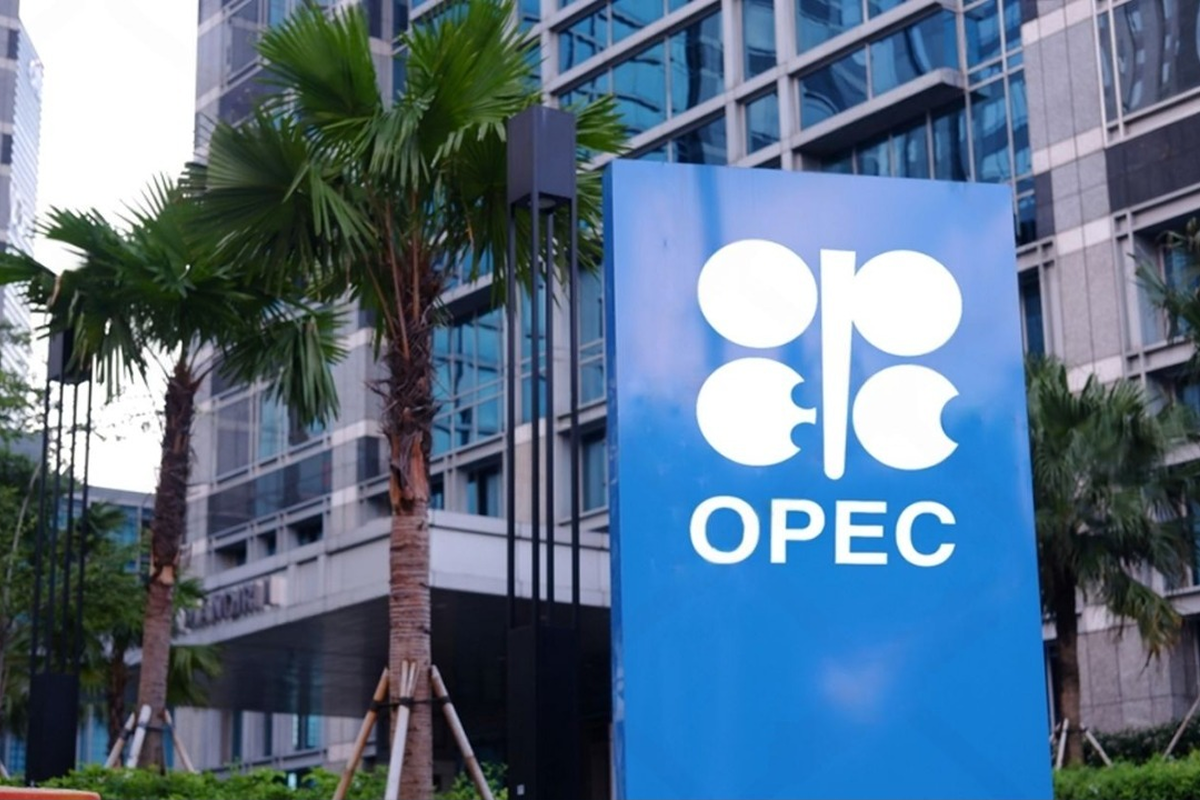
OPEC+ oil-producing countries kept their December production targets unchanged on Sunday, reinforcing expectations that the group will avoid further policy adjustments until next year. The decision comes as the global oil market continues to absorb supply disruptions linked to the Iran war, while several major Gulf producers remain below their official output targets despite efforts to restore exports.
OPEC+ Maintains a Cautious Production Strategy
The decision was made during an online meeting involving seven core OPEC+ members: Saudi Arabia, Russia, Iraq, Kuwait, Algeria, Kazakhstan and Oman. According to OPEC, the group agreed to maintain December targets at current levels, effectively preserving its existing production framework as the year approaches its final months.
The decision highlights the group’s preference for policy stability while uncertainty remains elevated across global energy markets. Rather than introducing another adjustment before year-end, OPEC+ appears focused on assessing how much production can realistically return to international markets following months of disruption.
Gulf Supply Remains Below Official Targets
A central issue for OPEC+ is the gap between production targets and actual output. Gulf members have been increasing oil exports after months of disruption caused by the conflict, but most remain well below their assigned targets. This means the group’s nominal production policy does not necessarily translate directly into equivalent volumes reaching global consumers.
The distinction is important for the oil market because physical supply availability can differ substantially from headline quotas. Even with targets unchanged, improvements in exports could gradually increase available crude, while continued disruptions could keep actual supply tighter than official production figures suggest.
Capacity Review Becomes Critical for 2027
OPEC+ also faces a more complicated challenge when determining future quotas. The group needs to conduct a capacity review to establish how much individual members can sustainably produce, a process that could influence the allocation of future production targets.
The issue is particularly significant because recent disruptions have made it harder to assess underlying production capabilities. A producer’s ability to restore output is not necessarily equivalent to its formal quota, meaning OPEC+ must distinguish between temporary disruptions and longer-term changes in production capacity.
2027 Could Bring a More Difficult Policy Decision
The decision to leave December targets unchanged effectively shifts the more difficult policy debate into 2027. Analysts expect the group to face tougher choices over how to balance production increases, market stability and the varying capabilities of individual members.
For global energy markets, the next phase will depend on whether Gulf exports continue recovering, how the Iran conflict affects regional supply routes and what the capacity review reveals. The relationship between actual production and official quotas will remain a key indicator of the market’s underlying balance.
Going forward, investors and energy-market participants will be watching OPEC+ capacity assessments, Gulf export flows and developments surrounding the Iran conflict. Any meaningful change in physical supply could alter expectations for crude prices, inflation and energy-related costs, while the eventual 2027 quota framework may provide a clearer signal of how the group intends to manage supply in a more uncertain global oil market.
Comparison, examination, and analysis between investment houses
Leave your details, and an expert from our team will get back to you as soon as possible
* This article, in whole or in part, does not contain any promise of investment returns, nor does it constitute professional advice to make investments in any particular field.
To read more about the full disclaimer, click here
- sagi habasov
- •
- 7 Min Read
- •
- ago 3 minutes
SKN | Gold ETF GLD Records $1.8 Billion in October Outflows as Investor Demand Weakens
Investor demand for gold-backed exchange-traded funds is showing signs of volatility, with SPDR Gold Shares (GLD) experiencing a substantial
- ago 3 minutes
- •
- 7 Min Read

Investor demand for gold-backed exchange-traded funds is showing signs of volatility, with SPDR Gold Shares (GLD) experiencing a substantial

- omer bar
- •
- 7 Min Read
- •
- ago 9 hours
SKN | KOSPI Slides 3.48% to 5,730.74, Despite Retaining a 4.78% Weekly Gain
The KOSPI Composite Index (^KS11) experienced a significant setback on October 30, falling 3.48%, equivalent to 206.92 points, to
- ago 9 hours
- •
- 7 Min Read

The KOSPI Composite Index (^KS11) experienced a significant setback on October 30, falling 3.48%, equivalent to 206.92 points, to

- Lior mor
- •
- 8 Min Read
- •
- ago 10 hours
SKN | Japanese Yen Index Edges Up 0.06% to 63.46, Despite a 0.48% Weekly Decline
The Japanese Yen Currency Index (^XDN) finished the October 30 trading session marginally higher, gaining 0.06%, or 0.04 points,
- ago 10 hours
- •
- 8 Min Read

The Japanese Yen Currency Index (^XDN) finished the October 30 trading session marginally higher, gaining 0.06%, or 0.04 points,

- Arik Arkadi Sluzki
- •
- 7 Min Read
- •
- ago 10 hours
SKN | Australian Dollar Index Slips 0.03% to 70.30, Extending Weekly Decline to 0.08%
The Australian Dollar Currency Index (^XDA) finished the October 30 trading session slightly lower, declining 0.03%, equivalent to 0.02
- ago 10 hours
- •
- 7 Min Read

The Australian Dollar Currency Index (^XDA) finished the October 30 trading session slightly lower, declining 0.03%, equivalent to 0.02

