





- Arik Arkadi Sluzki
- •
- 7 Min Read
- •
- 30 minutes ago


Key Points
- The Australian Dollar Currency Index (^XDA) edged down 0.03%, or 0.02 points, to close at 70.30 on October 30, 2026, recording a marginal five-session decline of 0.08%.
- The index traded between 70.13 and 70.64 during the session, compared with an opening level of 70.28 and a previous close of 70.32.
- Despite the modest weekly retreat, the benchmark remained near the upper end of its reported 52-week range of 35.01–72.73, with commodity demand and interest rate expectations continuing to influence the Australian dollar's outlook.
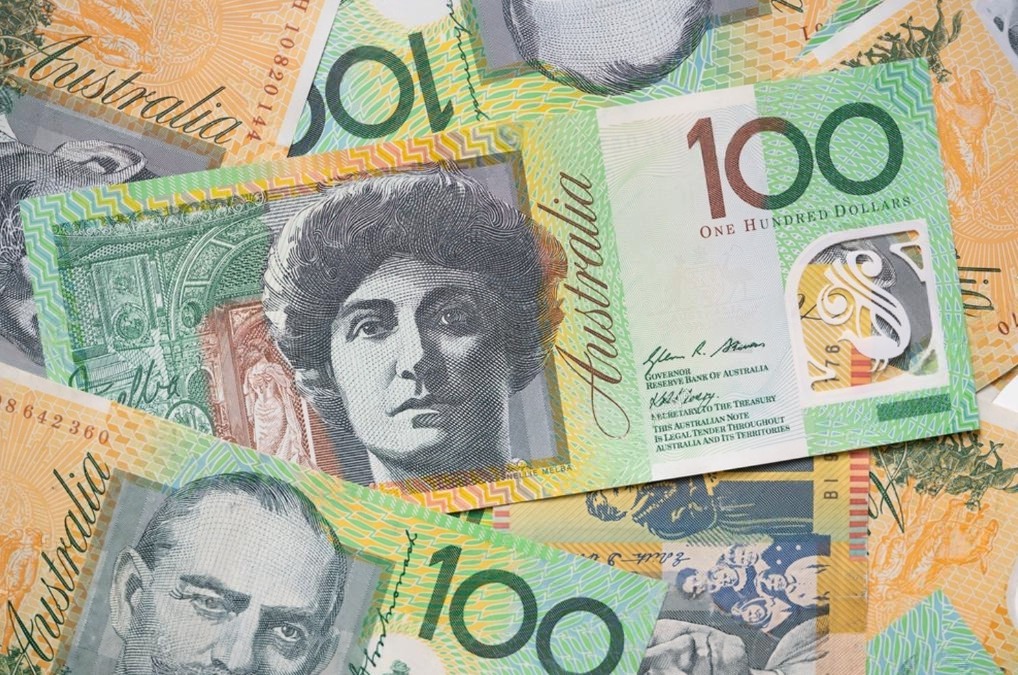
The Australian Dollar Currency Index (^XDA) finished the October 30 trading session slightly lower, declining 0.03%, equivalent to 0.02 points, to settle at 70.30. The movement extended its five-day loss to 0.08%, indicating relatively limited changes in the currency benchmark over the week. Foreign exchange participants continued assessing Reserve Bank of Australia (RBA) policy expectations, interest rate differentials with the United States, international commodity demand, and economic developments across the Asia-Pacific region. For international investors, including Israeli institutional asset managers monitoring currency exposure and multi-currency portfolios, the Australian dollar remains an important indicator of commodity-linked currency performance and regional economic sentiment.
Daily Performance and Position Within the Annual Range
The index opened at 70.28 and moved between an intraday low of 70.13 and a high of 70.64 before closing at 70.30. The final reading represented a decline of 0.02 points from the previous close of 70.32, reflecting a relatively narrow daily trading movement.
Despite the marginal weekly decline, the benchmark remained positioned toward the upper end of its reported 52-week range of 35.01–72.73. Its proximity to the annual high suggests that the broader performance picture remains considerably stronger than the latest short-term movement indicates.
Trading volume was not reported at the index level, while the supplied average daily volume was listed as zero. These figures do not provide a meaningful basis for assessing market participation, as currency indices generally measure price movements rather than centralized exchange-traded volume.
RBA Monetary Policy and Commodity Market Influences
The Australian dollar’s direction remains closely connected to expectations surrounding the Reserve Bank of Australia’s monetary policy. Interest rate decisions and inflation developments influence the attractiveness of Australian-denominated assets, particularly when investors compare domestic yields with those available in the United States and other major economies.
Commodity markets provide another important source of influence. Australia is a major exporter of iron ore, energy products, and other industrial raw materials, making its currency sensitive to changes in global demand and economic activity in China. Stronger Chinese industrial demand can support Australian export expectations, while weaker manufacturing activity or declining commodity prices may create pressure on the currency.
Domestic economic conditions, including inflation, employment growth, and household consumption, also shape expectations for the RBA’s policy trajectory. These factors collectively influence international capital flows and the Australian dollar’s relative performance against major currencies.
Exchange Rate Differentials and Risks for International Investors
Foreign exchange investors continue monitoring movements in Australian government bond yields and their spreads against U.S. Treasury yields. Changes in these differentials can influence cross-border capital allocation and demand for Australian-dollar exposure.
Currency movements involving AUD/USD, AUD/ILS, AUD/JPY, and EUR/AUD are particularly relevant when evaluating international portfolio returns. For Israeli institutional investors, fluctuations between the Australian dollar and the shekel can affect the translated performance of overseas holdings, even when underlying asset prices remain relatively stable.
Other potential sources of volatility include changes in global commodity prices, shifts in Chinese economic policy, international trade developments, and unexpected adjustments to monetary policy among major central banks.
Outlook: The Australian Dollar Currency Index enters the new trading week with a relatively stable short-term profile, despite its marginal 0.08% weekly decline. A recovery toward 71.50 would indicate renewed upward momentum, while the 72.73 annual high remains a broader reference point for assessing the continuation of its advance. Further appreciation will likely depend on resilient Australian economic data, sustained demand for commodity exports, and supportive interest rate differentials. Conversely, weaker Chinese demand, declining raw material prices, or a more accommodative RBA policy stance could weigh on the currency. Investors will continue monitoring central bank communications, commodity market developments, and regional economic indicators to assess the Australian dollar’s next direction.
Comparison, examination, and analysis between investment houses
Leave your details, and an expert from our team will get back to you as soon as possible
* This article, in whole or in part, does not contain any promise of investment returns, nor does it constitute professional advice to make investments in any particular field.
To read more about the full disclaimer, click here
- sagi habasov
- •
- 7 Min Read
- •
- ago 1 hour
SKN | SSE Composite Index Falls 1.44% to 3,599.02, Extending Weekly Losses to 2.48%
The SSE Composite Index (000001.SS) ended the October 30 trading session under pressure, falling 1.44%, or 52.42 points, to
- ago 1 hour
- •
- 7 Min Read

The SSE Composite Index (000001.SS) ended the October 30 trading session under pressure, falling 1.44%, or 52.42 points, to

- orshu
- •
- 7 Min Read
- •
- ago 2 hours
SKN | Hang Seng Index Gains 1.46% to 23,294.42, Extending Weekly Advance to 0.87%
The Hang Seng Index (^HSI) ended the October 30 session higher, rising 1.46%, or 335.77 points, to close at
- ago 2 hours
- •
- 7 Min Read

The Hang Seng Index (^HSI) ended the October 30 session higher, rising 1.46%, or 335.77 points, to close at
- sagi habasov
- •
- 8 Min Read
- •
- ago 9 hours
SKN | Elon Musk’s Colossus 2 Expansion Targets 1.2 Million Nvidia Blackwell GPUs for AI Infrastructure
Elon Musk has outlined a significant expansion of xAI’s Colossus 2 supercomputer infrastructure in Memphis, Tennessee, with a target
- ago 9 hours
- •
- 8 Min Read

Elon Musk has outlined a significant expansion of xAI’s Colossus 2 supercomputer infrastructure in Memphis, Tennessee, with a target

- omer bar
- •
- 7 Min Read
- •
- ago 11 hours
SKN | SpaceX President Gwynne Shotwell Pledges 2 Million Shares to Fund Children’s Trump Accounts
SpaceX President and Chief Operating Officer Gwynne Shotwell has announced a donation of more than 2 million shares of
- ago 11 hours
- •
- 7 Min Read

SpaceX President and Chief Operating Officer Gwynne Shotwell has announced a donation of more than 2 million shares of

