





- omer bar
- •
- 7 Min Read
- •
- 6 seconds ago


Key Points
- The KOSPI Composite Index (^KS11) declined 3.48%, or 206.92 points, to close at 5,730.74 on October 30, 2026, although it maintained a positive five-session performance of 4.78%.
- The South Korean benchmark traded between 5,599.42 and 5,784.98, following an opening level of 5,760.35 and a previous close of 5,937.66.
- The index remained above its reported 52-week low of 3,833.35, with semiconductor-sector performance, artificial intelligence investment trends, and monetary policy expectations continuing to shape the market outlook.
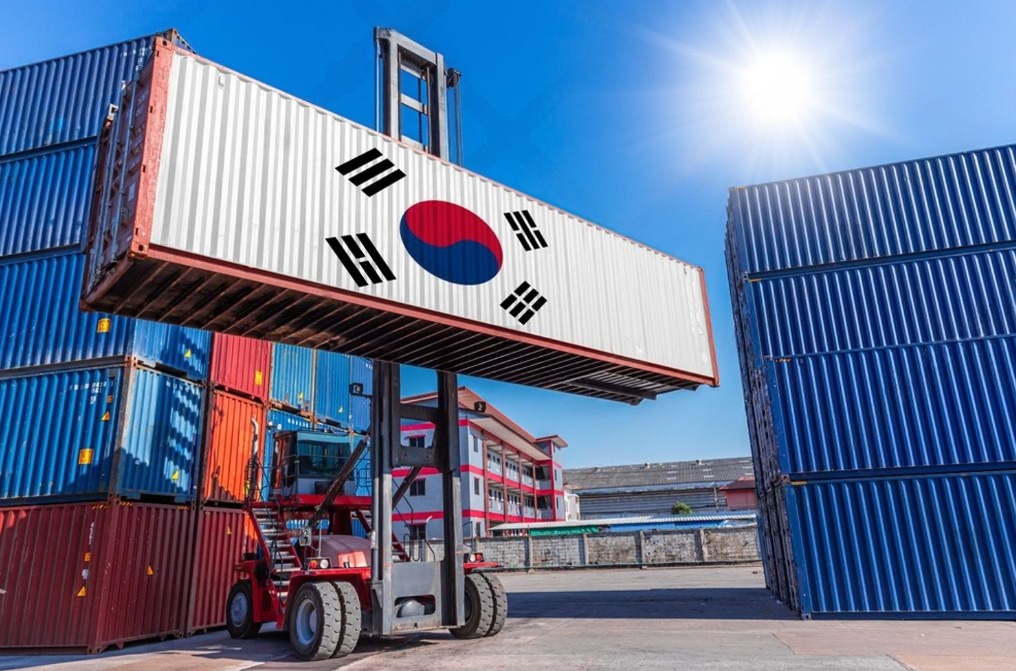
The KOSPI Composite Index (^KS11) experienced a significant setback on October 30, falling 3.48%, equivalent to 206.92 points, to finish at 5,730.74. Despite the sharp daily decline, the benchmark retained a 4.78% gain over the preceding five trading sessions, indicating that the latest weakness has not erased its broader weekly advance. Market sentiment remained influenced by developments across the semiconductor industry, expectations for artificial intelligence-related investment, and changing monetary policy conditions in South Korea and other major economies. For international investors, including Israeli institutional asset managers monitoring Asian equity exposure, the KOSPI remains an important indicator of South Korea’s export competitiveness and position within the global technology supply chain.
Sharp Daily Decline Within a Positive Weekly Performance
The benchmark opened at 5,760.35 and fluctuated between an intraday low of 5,599.42 and a high of 5,784.98. It eventually settled at 5,730.74, down from the previous close of 5,937.66. The decline reflected substantial selling pressure during the session, although the index managed to recover from its intraday low before the close.
Reported trading volume reached 228,294 shares, below the supplied three-month average of 296,666. The closing level placed the KOSPI within the lower-middle portion of its reported 52-week range of 3,833.35–9,385.59. Although the benchmark remained comfortably above its annual low, the latest session highlighted the potential for significant short-term volatility following a strong weekly advance.
Semiconductor Industry and AI Investment Drive Market Direction
South Korea’s equity market remains particularly sensitive to developments in semiconductor manufacturing, memory-chip production, consumer electronics, automotive exports, and advanced industrial technology. Major technology companies carry substantial influence within the capitalization-weighted benchmark, making changes in their earnings expectations especially important for overall index performance.
The expansion of artificial intelligence infrastructure has supported demand expectations for high-bandwidth memory (HBM) and advanced semiconductor components. However, investors are increasingly assessing whether substantial capital expenditure across the AI ecosystem can translate into sustainable revenue growth and profitability. Any reassessment of technology investment timelines or semiconductor pricing expectations could influence valuations across South Korean technology stocks.
Automotive manufacturers, battery producers, and heavy industrial companies also contribute to the benchmark’s broader performance. Their outlook remains connected to international demand, manufacturing costs, and developments in global trade.
Bank of Korea Policy and Korean Won Exchange Rate Risks
Monetary policy remains another important consideration for investors. The Bank of Korea’s interest rate decisions, domestic inflation trends, and movements in Korean government bond yields influence financing conditions and equity valuations. Differences between South Korean and U.S. interest rates can also affect international capital allocation and demand for Korean financial assets.
Currency movements add further complexity for international portfolios. Changes in USD/KRW, EUR/KRW, and KRW/ILS exchange rates can influence the translated returns of South Korean investments held by foreign institutions. Energy import costs, trade balances, and global demand for Korean exports remain additional factors that could affect corporate profitability and investor sentiment.
Outlook: The KOSPI enters the next trading week following a sharp daily correction but retains a substantial 4.78% five-session gain. The intraday low of 5,599.42 represents an immediate technical reference, while the reported annual low of 3,833.35 provides a broader downside benchmark. A recovery toward 6,200 would likely require renewed confidence in semiconductor earnings, sustained demand for AI-related hardware, and stable global investment conditions. Conversely, weaker technology-sector expectations, rising borrowing costs, or adverse currency movements could prolong the correction. Investors will therefore focus on semiconductor earnings guidance, international technology spending, Bank of Korea policy signals, and export performance to determine whether the weekly advance can regain momentum.
Comparison, examination, and analysis between investment houses
Leave your details, and an expert from our team will get back to you as soon as possible
* This article, in whole or in part, does not contain any promise of investment returns, nor does it constitute professional advice to make investments in any particular field.
To read more about the full disclaimer, click here
- Lior mor
- •
- 8 Min Read
- •
- ago 1 hour
SKN | Japanese Yen Index Edges Up 0.06% to 63.46, Despite a 0.48% Weekly Decline
The Japanese Yen Currency Index (^XDN) finished the October 30 trading session marginally higher, gaining 0.06%, or 0.04 points,
- ago 1 hour
- •
- 8 Min Read
The Japanese Yen Currency Index (^XDN) finished the October 30 trading session marginally higher, gaining 0.06%, or 0.04 points,

- Arik Arkadi Sluzki
- •
- 7 Min Read
- •
- ago 2 hours
SKN | Australian Dollar Index Slips 0.03% to 70.30, Extending Weekly Decline to 0.08%
The Australian Dollar Currency Index (^XDA) finished the October 30 trading session slightly lower, declining 0.03%, equivalent to 0.02
- ago 2 hours
- •
- 7 Min Read

The Australian Dollar Currency Index (^XDA) finished the October 30 trading session slightly lower, declining 0.03%, equivalent to 0.02

- sagi habasov
- •
- 7 Min Read
- •
- ago 2 hours
SKN | SSE Composite Index Falls 1.44% to 3,599.02, Extending Weekly Losses to 2.48%
The SSE Composite Index (000001.SS) ended the October 30 trading session under pressure, falling 1.44%, or 52.42 points, to
- ago 2 hours
- •
- 7 Min Read
The SSE Composite Index (000001.SS) ended the October 30 trading session under pressure, falling 1.44%, or 52.42 points, to

- orshu
- •
- 7 Min Read
- •
- ago 3 hours
SKN | Hang Seng Index Gains 1.46% to 23,294.42, Extending Weekly Advance to 0.87%
The Hang Seng Index (^HSI) ended the October 30 session higher, rising 1.46%, or 335.77 points, to close at
- ago 3 hours
- •
- 7 Min Read
The Hang Seng Index (^HSI) ended the October 30 session higher, rising 1.46%, or 335.77 points, to close at

