




- omer bar
- •
- 7 Min Read
- •
- 2 minutes ago


Key Points
- The KOSPI Composite Index (^KS11) fell 6.02%, or 324.11 points, to close at 5,059.69 on November 6, 2026, extending its five-session decline to 13.64%.
- The benchmark opened at 5,263.26 and traded between 4,911.28 and 5,269.10, compared with Thursday's close of 5,383.80.
- Reported trading volume reached 323,267 shares against a three-month daily average of 292,910, while the index remained within its 52-week range of 3,833.35–9,385.59.
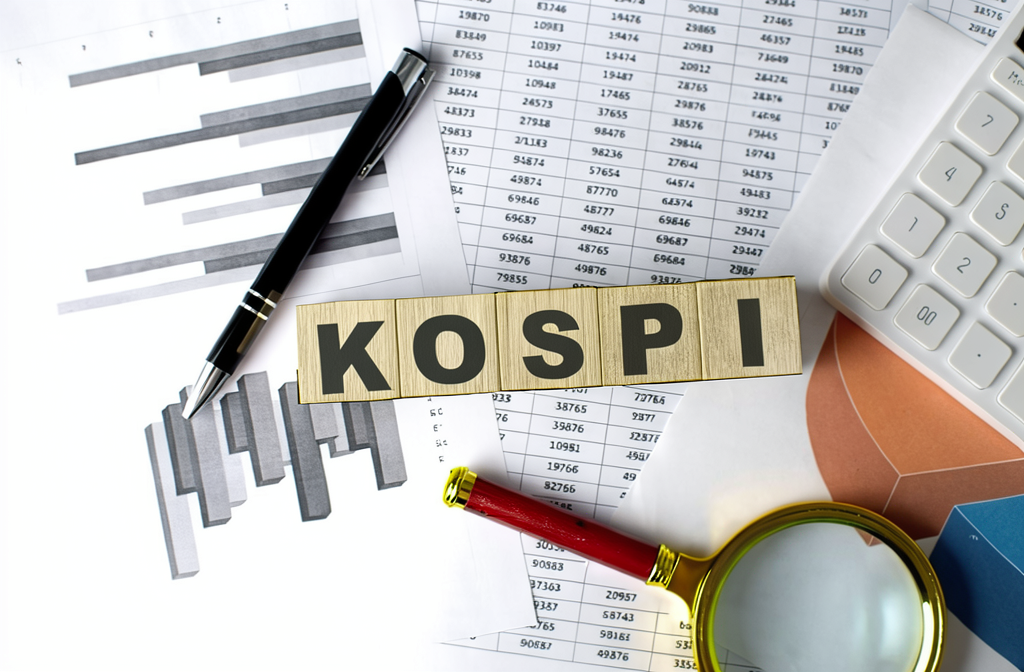
The KOSPI Composite Index ended the November 6 session under heavy selling pressure, declining 6.02% to 5,059.69. The sharp daily retreat extended the benchmark’s five-session contraction to 13.64%, marking a pronounced deterioration in South Korean equity-market performance.
The scale of the decline places renewed attention on the vulnerability of technology-oriented markets to changes in global risk appetite, semiconductor valuations and international financing conditions. For institutional investors in Israel and globally, the selloff highlights the importance of assessing South Korean equity exposure alongside currency movements and the broader outlook for the global technology supply chain.
Sharp Selling Pushes KOSPI Below the 5,000 Intraday Threshold
The index opened at 5,263.26 and initially reached a session high of 5,269.10 before selling pressure drove it to an intraday low of 4,911.28. The benchmark subsequently recovered above the 5,000 level, closing at 5,059.69. The decline of 324.11 points from Thursday’s close of 5,383.80 represented a substantial one-session contraction.
Reported trading volume reached 323,267 shares, exceeding the three-month daily average of 292,910 by approximately 10.4%. If both figures use the same measurement and unit, the increase suggests higher-than-average trading activity during the decline. However, the reported volume figures should be checked against the original data provider before drawing conclusions about the scale of selling.
The closing level placed the KOSPI within the lower portion of its reported 52-week range of 3,833.35–9,385.59. The recovery from the intraday low offered some late-session relief, but the benchmark remained close to the psychologically significant 5,000 threshold.
Semiconductor Exposure and Technology Valuations Under Pressure
South Korea’s substantial exposure to semiconductor manufacturing, memory chips and electronics exports makes the KOSPI sensitive to shifts in global technology investment and valuation expectations. Large movements among major semiconductor companies can have a meaningful influence on the benchmark, while weakness in related industries may reinforce broader market pressure.
Investors are also assessing the sustainability of artificial intelligence infrastructure spending, demand for high-bandwidth memory and the outlook for global chip investment. Potential trade restrictions and changes in international technology policy could add uncertainty for export-oriented companies. However, identifying these factors as the direct causes of the November 6 decline requires supporting constituent-level performance and contemporaneous market evidence.
The sharp weekly contraction also raises questions about whether the weakness reflects a concentrated repricing of technology shares or a broader reduction in exposure to South Korean equities.
Bank of Korea Policy and Won Exchange-Rate Risks
The Bank of Korea’s monetary policy outlook remains important for domestic financing conditions and investor sentiment. Interest-rate expectations, inflation trends and movements in South Korean government bond yields relative to U.S. Treasuries can influence capital flows and the relative attractiveness of Korean assets.
Currency movements are another consideration. Changes in USD/KRW can affect the competitiveness of South Korean exporters and the translated value of foreign investment returns. For Israeli institutional investors, fluctuations in KRW/ILS may also affect the shekel-denominated performance of Korean equity allocations, making currency-hedging costs an important part of portfolio risk assessment.
The KOSPI’s near-term direction will depend on whether selling pressure moderates around the 4,911.28 intraday low and whether the index can establish stability above 5,000. A sustained recovery toward 5,300 would indicate improving short-term momentum, while a decisive move below the 4,900 area could increase attention on lower levels within the annual range. A broader recovery toward 5,600 is likely to require greater confidence in semiconductor demand, corporate earnings and global technology investment. Currency movements, trade-policy developments and central bank signals will remain important variables for investors assessing the market’s recovery prospects.
Comparison, examination, and analysis between investment houses
Leave your details, and an expert from our team will get back to you as soon as possible
* This article, in whole or in part, does not contain any promise of investment returns, nor does it constitute professional advice to make investments in any particular field.
To read more about the full disclaimer, click here
- Lior mor
- •
- 7 Min Read
- •
- ago 35 minutes
SKN | Japanese Yen Currency Index Falls 0.53% to 63.10, Extending Weekly Loss to 0.57%
The Japanese Yen Currency Index ended the November 6 session lower, falling 0.53% to 63.10. The decline extended its
- ago 35 minutes
- •
- 7 Min Read
The Japanese Yen Currency Index ended the November 6 session lower, falling 0.53% to 63.10. The decline extended its

- Arik Arkadi Sluzki
- •
- 7 Min Read
- •
- ago 45 minutes
SKN | Australian Dollar Currency Index Falls 0.95% to 68.67, Extending Weekly Loss to 2.33%
The Australian Dollar Currency Index ended the November 6 trading session lower, falling 0.95% to 68.67. The decline extended
- ago 45 minutes
- •
- 7 Min Read

The Australian Dollar Currency Index ended the November 6 trading session lower, falling 0.95% to 68.67. The decline extended

- sagi habasov
- •
- 7 Min Read
- •
- ago 1 hour
SKN | SSE Composite Index Falls 1.10% to 3,649.18, but Retains 1.39% Weekly Gain
The SSE Composite Index ended Friday's session lower, falling 1.10% to 3,649.18. Despite the daily retreat, the Shanghai benchmark
- ago 1 hour
- •
- 7 Min Read

The SSE Composite Index ended Friday's session lower, falling 1.10% to 3,649.18. Despite the daily retreat, the Shanghai benchmark
- Lior mor
- •
- 7 Min Read
- •
- ago 12 hours
SKN | TSMC Rejects Reports of 3D DRAM Plans, Reaffirming Its Focus on Logic Chip Manufacturing
The rapid expansion of artificial intelligence infrastructure is increasing demand for advanced processors, high-bandwidth memory and more sophisticated semiconductor
- ago 12 hours
- •
- 7 Min Read
The rapid expansion of artificial intelligence infrastructure is increasing demand for advanced processors, high-bandwidth memory and more sophisticated semiconductor
