





- sagi habasov
- •
- 7 Min Read
- •
- 2 hours ago


Key Points
- Japan’s nationwide average power price rose more than 25% week on week to ¥31.15 per kilowatt-hour on Monday, equivalent to approximately $0.19, according to Japan Electric Power Exchange data.
- Asian spot LNG prices reached $29.30 per million British thermal units, their highest level since December 2022, while Newcastle coal futures climbed 30% above pre-conflict levels.
- Disruptions to LNG shipments through the Strait of Hormuz, competition for winter gas supplies and scheduled maintenance at Japanese power plants are contributing to higher electricity costs.

Japan’s Electricity Market Faces Rising Fuel Costs
Japan’s average wholesale electricity price climbed more than 25% at the start of the week as elevated liquefied natural gas (LNG) and coal prices increased the cost of power generation.
The nationwide average reached ¥31.15 per kilowatt-hour on Monday, approximately $0.19, according to Bloomberg, citing Japan Electric Power Exchange data. The increase reflects mounting pressure on a power system heavily dependent on imported energy.
Japan is one of the world’s largest LNG importers, but utilities have reduced gas-fired generation and shifted toward coal as natural gas prices remain elevated. The trend has intensified since the conflict in the Middle East began, with energy importers across Asia increasingly prioritizing coal based on cost and availability.
However, the shift has not insulated Japan from rising fuel expenses. Higher oil prices have also increased the country’s import bill for oil and LNG, exposing the broader cost implications of its dependence on international energy markets.
LNG Supply Disruptions Drive Regional Prices Higher
Asian spot LNG prices have risen sharply as disruptions to shipments through the Strait of Hormuz restrict available supply. At the same time, competition with Europe for cargoes ahead of winter is increasing pressure on the market.
The average spot LNG price for December delivery into northeast Asia was assessed at $29.30 per million British thermal units at the end of last week. That marked the highest level since December 2022, compared with $26.50 per MMBtu a week earlier.
The increase has made gas-fired electricity generation particularly expensive for Japanese utilities. Although coal has provided an alternative, the availability and cost of that fuel are also becoming more challenging.
These developments highlight the vulnerability of Asian energy markets to disruptions along major shipping routes. When LNG cargoes become harder to secure, importing countries must compete more aggressively for available supplies or adjust their generation mix to manage costs.
Coal Substitution Brings Its Own Challenges
Japan’s increased use of coal has coincided with higher coal prices. Stronger Asian demand, combined with reduced supply from Indonesia, a leading thermal coal exporter, has contributed to rising international prices.
Newcastle coal futures, a global benchmark, have climbed approximately 30% compared with levels before the Middle East conflict. This limits the potential cost advantage of switching away from gas, particularly as demand for electricity fuel rises across the region.
Japan’s power prices have also faced additional pressure this month from scheduled maintenance at some generating facilities ahead of winter. Reduced availability at individual plants can tighten the balance between electricity supply and demand, adding to price volatility when fuel costs are already elevated.
The combination of expensive LNG, rising coal prices and planned maintenance has therefore created pressure across multiple parts of Japan’s power market.
What Energy Markets Should Watch Next
The outlook for Japanese electricity prices will depend partly on whether LNG shipments through the Strait of Hormuz recover, how competition for winter cargoes develops and whether coal supply constraints ease. The availability of generating capacity following scheduled maintenance will also influence domestic power prices.
For Japan, the immediate challenge is balancing fuel affordability with reliable electricity supply. If imported fuel costs remain elevated, the shift toward coal may provide only limited relief, leaving utilities and electricity buyers exposed to continued volatility.
Comparison, examination, and analysis between investment houses
Leave your details, and an expert from our team will get back to you as soon as possible
* This article, in whole or in part, does not contain any promise of investment returns, nor does it constitute professional advice to make investments in any particular field.
To read more about the full disclaimer, click here
- omer bar
- •
- 9 Min Read
- •
- ago 2 hours
SKN | Oil Prices Ease From Five-Month High as Strait of Hormuz Disruptions Sustain Supply Risks
Oil Prices Pull Back After Recent Rally Oil prices declined on Monday as investors booked profits following a rally that
- ago 2 hours
- •
- 9 Min Read

Oil Prices Pull Back After Recent Rally Oil prices declined on Monday as investors booked profits following a rally that

- Lior mor
- •
- 9 Min Read
- •
- ago 3 days
SKN | U.S. Crude Oil Surge Above $100 as Iran Attacks Strait of Hormuz and Ukraine Threatens Russian Refineries
Crude Oil Rallies as Geopolitical Risks Intensify Oil prices climbed sharply on Friday as escalating attacks involving Iran and renewed
- ago 3 days
- •
- 9 Min Read

Crude Oil Rallies as Geopolitical Risks Intensify Oil prices climbed sharply on Friday as escalating attacks involving Iran and renewed
- Lior mor
- •
- 7 Min Read
- •
- ago 6 days
SKN | U.S. Strategic Petroleum Reserve Holds at 283 Million Barrels as Hurricane and Iran-Related Withdrawals Loom
Strategic Petroleum Reserve Remains at 283 Million Barrels The U.S. Strategic Petroleum Reserve remained unchanged last week, even as the
- ago 6 days
- •
- 7 Min Read
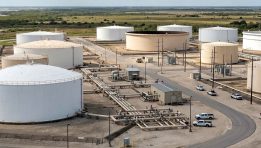
Strategic Petroleum Reserve Remains at 283 Million Barrels The U.S. Strategic Petroleum Reserve remained unchanged last week, even as the
- Lior mor
- •
- 7 Min Read
- •
- ago 7 days
SKN | Is Vår Energi’s Guidance Cut a Strategic Opportunity for Energy Investors?
Operational shifts across the European energy sector continue to challenge production companies, with Norway’s Vår Energi (OL:VAR) leading a
- ago 7 days
- •
- 7 Min Read

Operational shifts across the European energy sector continue to challenge production companies, with Norway’s Vår Energi (OL:VAR) leading a

