




- Lior mor
- •
- 7 Min Read
- •
- 3 hours ago


Key Points
- Reserve Remains Near Historic Lows: The U.S. Strategic Petroleum Reserve (SPR) held steady at 283 million barrels as of October 9, 2026, its lowest reported level since October 1982.
- Additional Withdrawals Planned: The Trump administration announced plans to sell up to 4 million barrels to address hurricane-related supply disruptions, alongside a separate initiative involving 40 million barrels linked to energy market disruptions caused by the war in Iran.
- Political and Infrastructure Concerns: Senator Martin Heinrich raised concerns about the structural integrity of the reserve's salt caverns, while the administration maintained that the facilities can be managed safely at lower inventory levels.
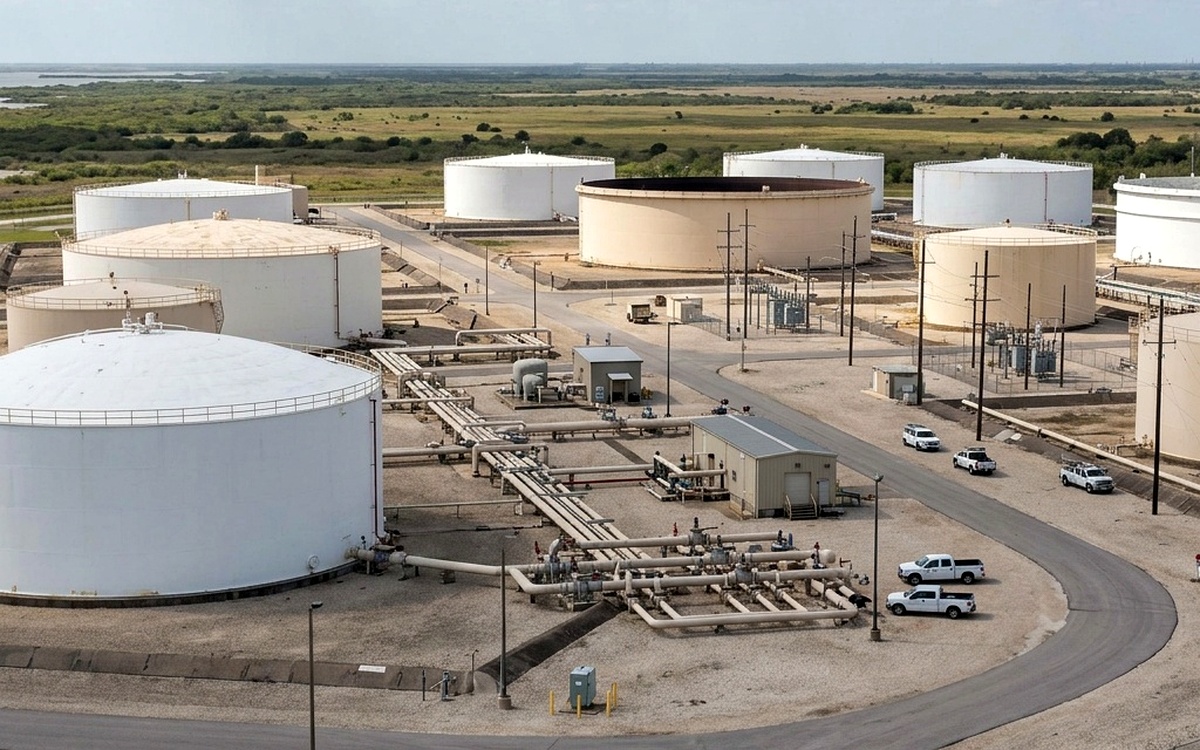
Strategic Petroleum Reserve Remains at 283 Million Barrels
The U.S. Strategic Petroleum Reserve remained unchanged last week, even as the federal government prepared for additional crude oil withdrawals to address supply disruptions. Data released Tuesday by the Department of Energy showed that the reserve held 283 million barrels as of October 9, matching the previous week’s level.
Despite the stability, the reserve remains at its lowest reported level since October 1982. The latest inventory is approximately 13 million barrels above the first recorded reading in August 1982, when the emergency stockpile was being established under President Ronald Reagan.
The reserve serves as a strategic energy backstop during supply disruptions. However, its reduced inventory has become increasingly significant as the United States faces elevated fuel prices, concerns about global oil stockpiles and uncertainty surrounding energy supplies.
Hurricane Isaias Prompts Additional Oil Exchange Plans
The Trump administration announced plans on Saturday to sell up to 4 million barrels of crude oil to address supply disruptions associated with Hurricane Isaias. The storm made landfall in Florida last week, leaving four people dead and more than 650,000 without power.
The planned transaction would operate as an exchange rather than a permanent sale. Under the arrangement, participating companies would be required to return the crude oil in 2027, along with additional premium barrels.
Although the exchange is intended to respond to immediate supply challenges, it would further reduce the reserve’s available inventory in the near term. Hurricane-related SPR withdrawals are a recurring government response to disruptions affecting energy production and distribution.
Iran-Related Withdrawals Add to Pressure on Inventories
The planned hurricane-related exchange comes alongside a separate administration effort to complete previously announced withdrawals intended to support energy markets affected by the war in Iran.
The Department of Energy recently requested bids for the sale of 40 million barrels over the coming months as part of that effort. Combined with the proposed hurricane-related transaction, the planned activity raises questions about how the government will balance short-term supply needs against the reserve’s emergency purpose.
The SPR currently holds roughly the equivalent of two weeks of U.S. oil consumption, according to the source report. The reduced stockpile could limit the government’s flexibility if additional disruptions occur before inventories are replenished.
Senate Raises Concerns About Reserve Infrastructure
The reserve’s declining inventory has also drawn political scrutiny. Senator Martin Heinrich of New Mexico, the ranking member of the Senate Energy Committee, expressed concern that repeated withdrawals could damage the salt caverns used to store emergency crude oil.
Heinrich said the Department of Energy had not substantively addressed earlier questions and indicated that he would introduce legislation requiring long-term planning for the SPR.
The Trump administration has argued that approximately 70 million barrels must remain in the reserve to manage the caverns safely. However, the assessment has been questioned by some experts, including a former Biden administration energy official.
The debate could intensify if Democrats regain control of the Senate following the midterm elections, potentially placing reserve management and long-term replenishment plans under greater congressional scrutiny.
Replenishment Becomes a Key Energy Market Question
President Donald Trump has expressed confidence that the reserve can be refilled quickly. He recently told an audience in Alabama that an energy agreement with Venezuela would allow the government to replenish the stockpile at little or no cost.
Whether replenishment proceeds as anticipated remains important for energy security. Investors and policymakers will be watching the scale of upcoming withdrawals, the timing of returned oil from exchanges and the government’s ability to rebuild inventories while managing fuel prices and supply risks.
Comparison, examination, and analysis between investment houses
Leave your details, and an expert from our team will get back to you as soon as possible
* This article, in whole or in part, does not contain any promise of investment returns, nor does it constitute professional advice to make investments in any particular field.
To read more about the full disclaimer, click here
- Lior mor
- •
- 7 Min Read
- •
- ago 1 day
SKN | Is Vår Energi’s Guidance Cut a Strategic Opportunity for Energy Investors?
Operational shifts across the European energy sector continue to challenge production companies, with Norway’s Vår Energi (OL:VAR) leading a
- ago 1 day
- •
- 7 Min Read

Operational shifts across the European energy sector continue to challenge production companies, with Norway’s Vår Energi (OL:VAR) leading a

- Ronny Mor
- •
- 7 Min Read
- •
- ago 5 days
SKN | Could New U.S. Sanctions on 17 Iranian-Linked Tankers Further Disrupt Global Oil Flows?
The U.S. Treasury Department has expanded economic pressure on Iran by designating 17 additional vessels that it says are connected
- ago 5 days
- •
- 7 Min Read

The U.S. Treasury Department has expanded economic pressure on Iran by designating 17 additional vessels that it says are connected

- sagi habasov
- •
- 6 Min Read
- •
- ago 1 week
SKN | Could Cheaper Diesel and Deferred Taxes Ease Pressure From Record U.S. Fuel Costs?
White House Moves to Reduce Diesel Costs The administration has introduced temporary measures aimed at reducing the financial pressure created
- ago 1 week
- •
- 6 Min Read

White House Moves to Reduce Diesel Costs The administration has introduced temporary measures aimed at reducing the financial pressure created
- Lior mor
- •
- 11 Min Read
- •
- ago 3 weeks
SKN | Which Energy Stocks Could Benefit If the Iran War Keeps Oil Markets Disrupted?
The Iran conflict is increasingly creating a more complicated environment for energy investors as the disruption extends beyond the assumptions
- ago 3 weeks
- •
- 11 Min Read

The Iran conflict is increasingly creating a more complicated environment for energy investors as the disruption extends beyond the assumptions
