


- Lior mor
- •
- 6 Min Read
- •
- 14 minutes ago
Key Points
- Hungary faces growing political speculation as long-standing leadership under Prime Minister Viktor Orbán comes under renewed scrutiny amid shifting domestic sentiment.
- Economic pressures, including inflation dynamics and EU funding tensions, are shaping voter sentiment and policy debates.
- Markets and investors are closely watching potential leadership transition risks and implications for Hungary’s EU alignment and fiscal stability.
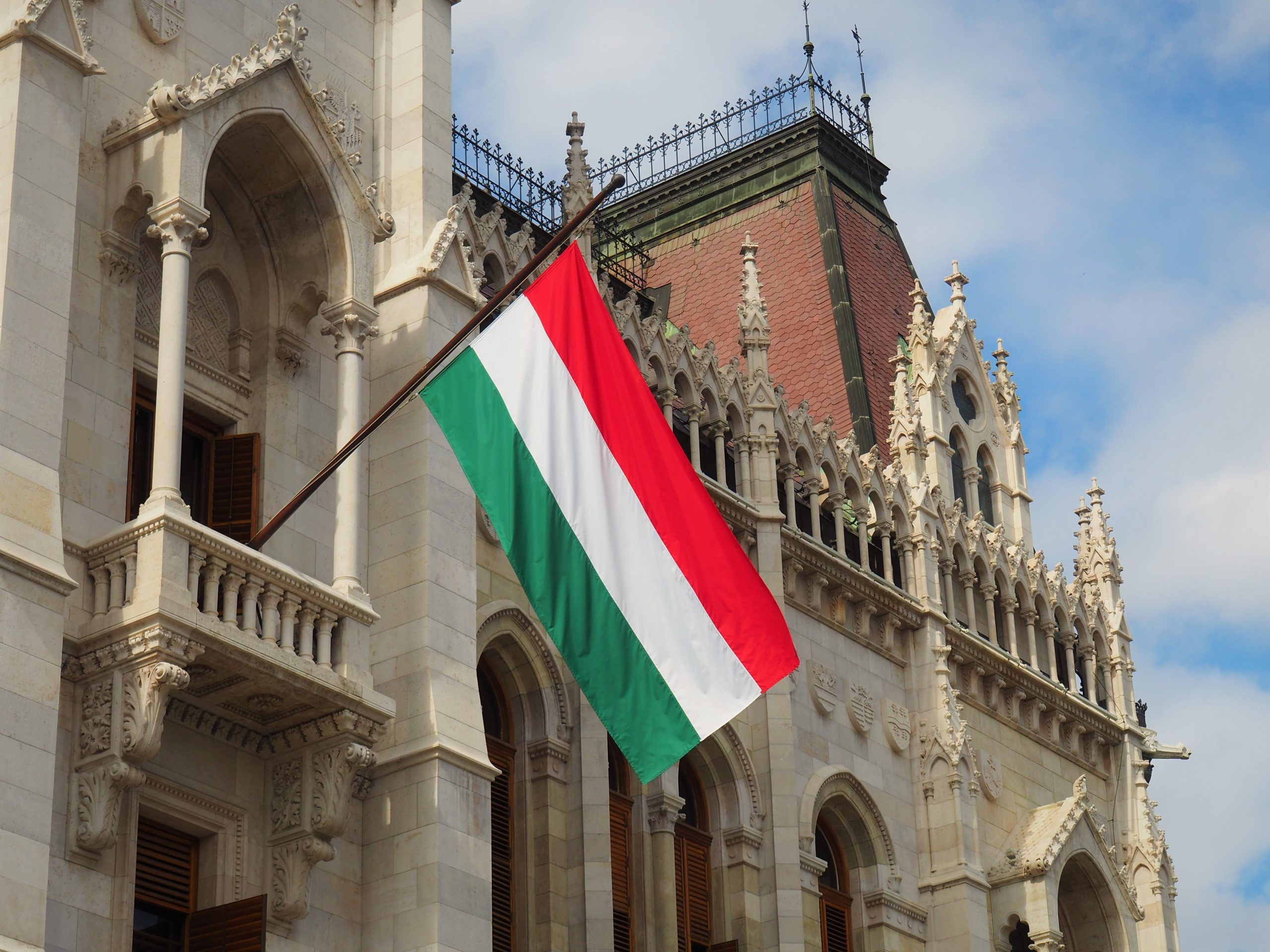
Hungary’s political landscape is increasingly being reassessed by investors and policymakers as questions intensify over the long-term trajectory of Prime Minister Viktor Orbán’s leadership. While no immediate political transition has been confirmed, rising domestic pressures and ongoing friction with European Union institutions are contributing to a broader debate about Hungary’s future direction. The situation is being closely monitored by global markets given Hungary’s integration into European supply chains and its exposure to EU funding mechanisms.
Domestic Political Dynamics and Rising Pressure
Political discourse in Hungary has become more complex as economic and social pressures weigh on public sentiment. Inflationary episodes in recent years, coupled with debates over fiscal policy and governance, have gradually influenced voter attitudes. While Orbán’s administration has maintained a strong political base, opposition movements have been gaining visibility, particularly in urban centers.
At the same time, Hungary’s relationship with EU institutions remains a central factor shaping both domestic politics and external perceptions. Disputes over rule-of-law frameworks and access to European funding have introduced uncertainty into long-term fiscal planning. For investors, these dynamics are critical because EU transfers represent a meaningful component of Hungary’s economic stability and infrastructure investment capacity.
Economic Outlook and Investor Sensitivity
From a market perspective, Hungary’s economic trajectory is closely linked to policy continuity and external financing conditions. Inflation has moderated from previous peaks, but price stability remains a key concern for households and policymakers. Growth expectations are also sensitive to broader European demand conditions, particularly in manufacturing and export-oriented sectors.
Foreign investors continue to assess Hungary through the lens of policy predictability and currency stability. The forint has historically reflected shifts in risk sentiment tied to both domestic political developments and global macro conditions. Any perception of increased political uncertainty could influence capital flows, particularly in fixed income and equity allocations linked to Central and Eastern Europe.
Regional and European Strategic Implications
Hungary’s position within the European Union adds an additional layer of strategic importance. Policy alignment with EU frameworks affects not only fiscal transfers but also regulatory consistency, trade relations, and foreign direct investment flows. As a result, discussions around potential political transition carry significance beyond domestic politics, extending into broader European governance considerations.
For international investors, including those in Israel with exposure to European markets, Hungary represents a mid-sized but strategically relevant economy within the EU ecosystem. Changes in leadership direction could influence sector-specific opportunities, particularly in infrastructure, manufacturing, and financial services.
Looking ahead, markets will continue to monitor political sentiment trends, EU negotiation outcomes, and economic indicators such as inflation and growth stability. Any signs of accelerated political transition or policy recalibration could reshape risk assessments for Hungarian assets, while continuity would likely reinforce existing market assumptions. The balance between domestic political dynamics and external European pressures will remain central to Hungary’s medium-term outlook.
Comparison, examination, and analysis between investment houses
Leave your details, and an expert from our team will get back to you as soon as possible
* This article, in whole or in part, does not contain any promise of investment returns, nor does it constitute professional advice to make investments in any particular field.
To read more about the full disclaimer, click here
- Ronny Mor
- •
- 8 Min Read
- •
- ago 4 hours
SKN | Will the UK’s Refusal to Join a Hormuz Blockade Deepen Global Divisions and Reshape Energy Markets?
The United Kingdom’s decision to reject participation in a proposed U.S. naval blockade of the Strait of Hormuz marks a
- ago 4 hours
- •
- 8 Min Read
The United Kingdom’s decision to reject participation in a proposed U.S. naval blockade of the Strait of Hormuz marks a

- omer bar
- •
- 8 Min Read
- •
- ago 4 days
SKN | Will U.S. Crypto Regulation Finally Gain Clarity as Congress Faces Mounting Pressure?
The push for comprehensive cryptocurrency regulation in the United States is intensifying as Treasury Secretary Scott Bessent calls on Congress
- ago 4 days
- •
- 8 Min Read

The push for comprehensive cryptocurrency regulation in the United States is intensifying as Treasury Secretary Scott Bessent calls on Congress

- sagi habasov
- •
- 6 Min Read
- •
- ago 5 days
SKN | Iran’s Crypto Transit Proposal in Hormuz: Strategic Shift or Escalation Risk for Global Trade?
Iran has reportedly introduced a proposal to impose cryptocurrency-based fees on ships transiting the Strait of Hormuz during a
- ago 5 days
- •
- 6 Min Read
Iran has reportedly introduced a proposal to impose cryptocurrency-based fees on ships transiting the Strait of Hormuz during a

- Lior mor
- •
- 6 Min Read
- •
- ago 1 week
SKN | Prolonged Conflict in Iran: Long-Term Economic Shockwaves Across Energy and Global Markets
The ongoing conflict involving Iran shows no clear signs of de-escalation, raising concerns about prolonged economic and geopolitical disruption.
- ago 1 week
- •
- 6 Min Read
The ongoing conflict involving Iran shows no clear signs of de-escalation, raising concerns about prolonged economic and geopolitical disruption.

