




- sagi habasov
- •
- 6 Min Read
- •
- 5 months ago


Key Points
- Iran is reportedly seeking crypto-based transit fees for vessels passing through the Strait of Hormuz.
- Global shipping and energy markets face potential disruption from new payment mechanisms.
- Geopolitical and regulatory risks could impact oil prices, trade flows, and financial systems.

Iran has reportedly introduced a proposal to impose cryptocurrency-based fees on ships transiting the Strait of Hormuz during a ceasefire period. The development, if confirmed, represents a notable shift in how geopolitical actors may leverage digital assets within global trade infrastructure.
Given that approximately one-fifth of the world’s oil supply passes through this critical chokepoint, the move has immediate implications for energy markets, shipping costs, and financial systems.
Strategic Use of Cryptocurrency in Trade Routes
The proposal to require crypto payments for maritime transit marks a potential evolution in how sanctions-affected economies engage in international trade. By utilizing digital currencies, Iran could attempt to bypass traditional financial systems that are subject to global regulatory oversight.
This approach reflects a broader trend in which digital assets are increasingly considered for cross-border transactions, particularly in regions facing financial restrictions. However, the implementation of such a system raises questions surrounding enforceability, transparency, and global acceptance.
For shipping companies and insurers, the introduction of crypto-based fees could complicate compliance frameworks, particularly in jurisdictions with strict regulatory requirements.
Energy Markets and Shipping Costs in Focus
The Strait of Hormuz remains one of the most strategically important waterways in the global energy supply chain. Any changes to transit conditions, including payment mechanisms, can influence oil prices and shipping costs.
If additional fees are imposed, even in digital form, they could increase operational expenses for energy producers and transport companies. These costs may ultimately be passed on to global markets, contributing to price volatility.
Energy markets are particularly sensitive to geopolitical developments in the region. The introduction of unconventional policies such as crypto-based transit fees may add a new layer of uncertainty, influencing both short-term price movements and long-term supply expectations.
Market Reaction and Global Implications
From a financial market perspective, the proposal highlights the intersection of geopolitics and financial innovation. Investors are likely to monitor how such developments affect risk sentiment across asset classes, including commodities, equities, and currencies.
For Israeli investors and global market participants, the implications are multifaceted. Increased geopolitical tension in the Middle East can impact regional stability, while the adoption of cryptocurrency in trade introduces new regulatory considerations.
Additionally, the move may influence discussions surrounding the role of digital assets in global finance. While cryptocurrencies offer flexibility, their use in critical infrastructure raises concerns about security, volatility, and oversight.
Looking ahead, market participants will closely track official confirmations, policy details, and international responses to Iran’s proposal. Key factors to monitor include shipping activity through the Strait of Hormuz, oil price reactions, and regulatory responses from major economies. While the initiative may signal a shift toward alternative financial mechanisms, it also introduces significant uncertainty, with potential ripple effects across energy markets, global trade, and financial systems in the near term.
Comparison, examination, and analysis between investment houses
Leave your details, and an expert from our team will get back to you as soon as possible
* This article, in whole or in part, does not contain any promise of investment returns, nor does it constitute professional advice to make investments in any particular field.
To read more about the full disclaimer, click here
- omer bar
- •
- 7 Min Read
- •
- ago 9 hours
SKN | Oil Prices Stay Above $100 as Supply Disruptions Drive 8% Weekly Gain and U.S. Diesel Hits Record
Oil prices declined on Friday but remained on course for their strongest weekly advance in months as escalating disruptions
- ago 9 hours
- •
- 7 Min Read

Oil prices declined on Friday but remained on course for their strongest weekly advance in months as escalating disruptions
- omer bar
- •
- 7 Min Read
- •
- ago 1 day
SKN | AI Boom Could Transform Southeast Asia Into a Major New LNG Demand Center
The rapid expansion of artificial intelligence and hyperscale data centers is creating a new structural driver for natural gas and
- ago 1 day
- •
- 7 Min Read
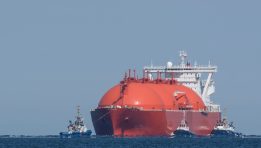
The rapid expansion of artificial intelligence and hyperscale data centers is creating a new structural driver for natural gas and

- Ronny Mor
- •
- 9 Min Read
- •
- ago 1 day
SKN | Saudi Oil Output Hits a 1990 Low as OPEC Cuts Demand Forecast: Is the Global Oil Market Entering a New Supply Shock?
Saudi Arabia's oil production has fallen to its lowest level since 1990, highlighting the extent to which the Middle
- ago 1 day
- •
- 9 Min Read

Saudi Arabia's oil production has fallen to its lowest level since 1990, highlighting the extent to which the Middle

- Lior mor
- •
- 6 Min Read
- •
- ago 2 days
SKN | Oil Prices Surge Above $100 as Middle East Conflict Raises Global Supply Risks
Global oil prices have moved back above the $100-per-barrel threshold as escalating conflict in the Middle East raises fresh concerns
- ago 2 days
- •
- 6 Min Read
Global oil prices have moved back above the $100-per-barrel threshold as escalating conflict in the Middle East raises fresh concerns
