




- Lior mor
- •
- 6 Min Read
- •
- 3 hours ago


Key Points
- Brent crude settled at $101.21 per barrel, rising 3.4% to its highest closing level since May 22.
- WTI climbed 3.25% to $96.05 per barrel as escalating attacks around the Strait of Hormuz intensified concerns over Middle Eastern oil supplies.
- Higher energy prices are reviving inflation concerns and could complicate interest-rate decisions as major central banks assess the economic impact of the conflict.
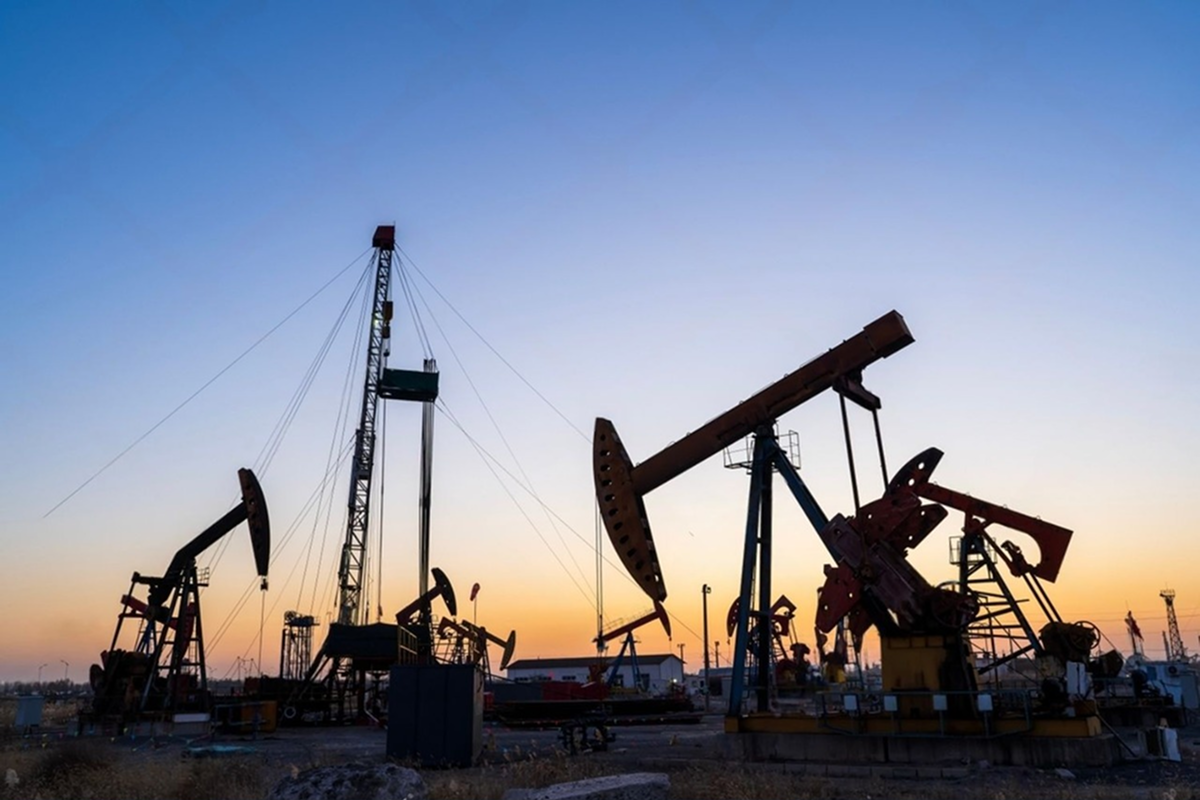
Global oil prices have moved back above the $100-per-barrel threshold as escalating conflict in the Middle East raises fresh concerns over energy supply disruptions. The sharp increase in crude prices is adding pressure to the global economic outlook, with higher fuel and transportation costs potentially feeding into inflation while complicating expectations for monetary policy and economic growth.
Brent Breaks Back Above the $100 Threshold
Front-month Brent crude futures settled at $101.21 per barrel, gaining $3.29, or 3.4%, after reaching an intraday high of $101.58. The settlement marked Brent’s highest closing level since May 22. U.S. West Texas Intermediate crude also advanced sharply, rising $3.02, or 3.25%, to $96.05 per barrel.
Both benchmarks had generally remained below $100 since late May, reflecting expectations that the conflict would remain relatively contained. The latest escalation has changed that assessment, with traders increasingly focused on the possibility that disruptions to oil production, exports and shipping routes could persist.
The move above $100 is also significant from a market-psychology perspective. Crude prices have now risen more than 60% from the beginning of the year, while the latest rally has brought renewed attention to the potential economic consequences of an extended energy shock.
Strait of Hormuz at the Center of Supply Concerns
The Strait of Hormuz has become the critical pressure point for global energy markets. Before the conflict, roughly one-fifth of the world’s oil and gas supplies passed through the waterway, making any prolonged disruption a major risk for producers, refiners and consumers worldwide.
Oil flows through the strait have fallen sharply from pre-conflict levels, while recent attacks involving Iran and the United States have further increased risks to commercial shipping. Additional attacks on energy infrastructure in Saudi Arabia have raised concerns that supply disruptions could spread across the Gulf region.
The combination of reduced flows, declining inventories and tighter refined-fuel markets has increased the sensitivity of crude prices to each new development. Even if physical production remains available, difficulties moving oil to international buyers can create a supply shortage in the markets that depend on those flows.
Oil Shock Creates New Inflation Challenge
The renewed surge in crude prices is already increasing pressure on fuel markets. In the United States, average gasoline prices have reached around $4.22 per gallon, while diesel prices have approached $6 per gallon. Higher fuel costs can raise expenses across transportation, manufacturing, agriculture and logistics, potentially pushing broader consumer prices higher.
The timing creates an additional challenge for central banks. Major monetary authorities are assessing interest-rate policy while inflation remains a key consideration, and a sustained oil shock could slow the decline in price pressures. At the same time, higher energy costs can reduce household purchasing power and weigh on economic activity.
Going forward, the direction of oil prices will depend heavily on developments around the Strait of Hormuz, the security of regional energy infrastructure and the prospects for diplomatic de-escalation. A prolonged disruption could keep Brent above $100 and increase the risk of a broader inflation shock, while a meaningful reduction in geopolitical tensions could quickly remove part of the risk premium currently embedded in crude prices.
Comparison, examination, and analysis between investment houses
Leave your details, and an expert from our team will get back to you as soon as possible
* This article, in whole or in part, does not contain any promise of investment returns, nor does it constitute professional advice to make investments in any particular field.
To read more about the full disclaimer, click here
- Lior mor
- •
- 7 Min Read
- •
- ago 7 hours
SKN | $100 Oil Pressures Global Markets as Bond Yields Rise and Risk Appetite Weakens
Global financial markets came under renewed pressure on September 9 as oil prices climbed above $100 a barrel, adding
- ago 7 hours
- •
- 7 Min Read

Global financial markets came under renewed pressure on September 9 as oil prices climbed above $100 a barrel, adding

- orshu
- •
- 6 Min Read
- •
- ago 7 hours
SKN | S&P 500 Ends Lower as Oil Surpasses $100 and Treasury Yields Rise
U.S. stocks closed lower on September 9, 2026, as a sharp rise in oil prices and higher Treasury yields
- ago 7 hours
- •
- 6 Min Read

U.S. stocks closed lower on September 9, 2026, as a sharp rise in oil prices and higher Treasury yields

- Arik Arkadi Sluzki
- •
- 7 Min Read
- •
- ago 7 hours
SKN | Gold Climbs as Weaker Dollar and Inflation Data Put Fed Policy in Focus
Gold prices climbed sharply on September 9 as a subdued U.S. dollar provided support to the precious-metals market while
- ago 7 hours
- •
- 7 Min Read

Gold prices climbed sharply on September 9 as a subdued U.S. dollar provided support to the precious-metals market while

- omer bar
- •
- 7 Min Read
- •
- ago 1 day
SKN | China Accelerates Gold Buying With Biggest Monthly Increase Since 2023
China is accelerating its accumulation of gold, adding 650,000 ounces to official reserves in August in the largest monthly increase
- ago 1 day
- •
- 7 Min Read

China is accelerating its accumulation of gold, adding 650,000 ounces to official reserves in August in the largest monthly increase
