





- omer bar
- •
- 7 Min Read
- •
- 30 minutes ago


Key Points
- China’s central bank added 650,000 ounces of gold in August, roughly 20.2 metric tons, marking its largest monthly increase since October 2023.
- The People’s Bank of China extended its gold-buying streak to 22 consecutive months, lifting official holdings to 76.73 million ounces.
- The continued accumulation highlights China’s efforts to diversify its reserves as central banks globally increase their exposure to gold amid geopolitical and currency risks.
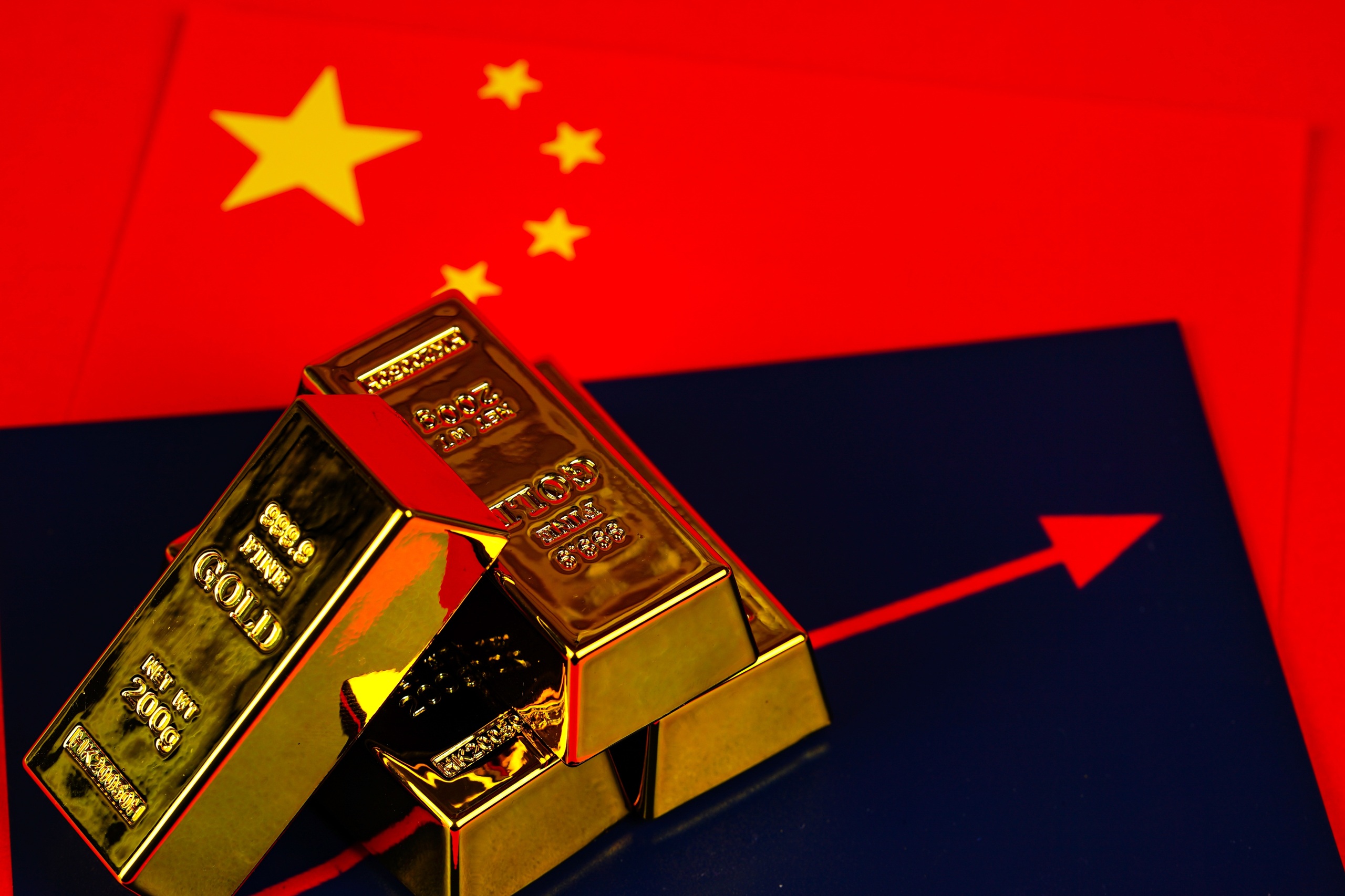
China is accelerating its accumulation of gold, adding 650,000 ounces to official reserves in August in the largest monthly increase since late 2023. The move comes as central banks continue to increase their exposure to the precious metal, reinforcing gold’s role as a strategic reserve asset at a time of elevated geopolitical uncertainty and changing expectations for global monetary policy.
China’s Gold Buying Pace Accelerates
The People’s Bank of China increased its gold holdings to 76.73 million fine troy ounces at the end of August, up from 76.08 million ounces a month earlier. The 650,000-ounce increase is equivalent to approximately 20.2 metric tons and exceeded July’s addition of 640,000 ounces.
August marked the 22nd consecutive month in which China increased its official gold reserves. The current buying cycle began in November 2024, and the latest data show that the pace of accumulation has accelerated since March. Purchases increased from 480,000 ounces in June to 640,000 ounces in July before reaching 650,000 ounces in August.
The value of China’s reported gold holdings also increased sharply, reaching approximately $350.08 billion at the end of August. However, much of the monthly increase in the dollar value reflects the rise in gold prices rather than the additional physical volume purchased.
Gold Gains Strategic Importance for Reserve Managers
China’s continued purchases form part of a broader shift among central banks toward gold. The precious metal offers reserve managers an asset that is not directly tied to the credit risk of another government or dependent on access to a foreign financial system.
That consideration has become more significant following the freezing of Russian central bank reserves after the invasion of Ukraine in 2022. For countries seeking to reduce their exposure to potential sanctions or changes in the global financial system, gold stored domestically can provide a degree of diversification from traditional reserve currencies.
China’s foreign-exchange reserves also increased in August. Total reserves reached $3.4383 trillion, up $19.5 billion, or 0.57%, from July. The increase was supported partly by currency movements and changes in the value of global financial assets.
Central Bank Demand Remains a Major Gold Market Driver
China is not alone in increasing its gold reserves. Global central-bank purchases reached 288.9 metric tons in the second quarter of 2026, a record quarterly level and a 62% increase from a year earlier. Poland has also been among the largest buyers, while several emerging-market central banks continue to add bullion to their reserves.
For the gold market, sustained official-sector demand provides an important structural source of support. China’s latest purchase is particularly significant because it came even as gold prices remained elevated, suggesting that reserve diversification remains a longer-term policy objective rather than a short-term trading decision.
Investors will be watching whether China maintains or increases its monthly purchasing pace during the remainder of 2026. Further accumulation by the PBOC, combined with continued buying by other central banks, could reinforce demand for gold. At the same time, movements in U.S. interest rates, the dollar and global geopolitical conditions will remain critical factors in determining the metal’s broader price trajectory. For China, the latest increase indicates that gold is becoming an increasingly important component of its long-term reserve strategy.
Comparison, examination, and analysis between investment houses
Leave your details, and an expert from our team will get back to you as soon as possible
* This article, in whole or in part, does not contain any promise of investment returns, nor does it constitute professional advice to make investments in any particular field.
To read more about the full disclaimer, click here
- Lior mor
- •
- 6 Min Read
- •
- ago 3 hours
SKN | Gold Prices Ease as Rising Oil Fuels Inflation Concerns Ahead of U.S. Data
Gold prices edged lower on September 8 as rising oil prices reinforced concerns about inflation and reduced expectations that
- ago 3 hours
- •
- 6 Min Read

Gold prices edged lower on September 8 as rising oil prices reinforced concerns about inflation and reduced expectations that

- orshu
- •
- 8 Min Read
- •
- ago 4 hours
SKN | OPEC+ Loses Its Grip on Oil Markets: Has the Era of Cartel-Driven Pricing Changed?
OPEC+ remains one of the world's largest coordinated oil-producing groups, but its ability to directly control global crude prices
- ago 4 hours
- •
- 8 Min Read
OPEC+ remains one of the world's largest coordinated oil-producing groups, but its ability to directly control global crude prices

- Ronny Mor
- •
- 6 Min Read
- •
- ago 9 hours
SKN | Copper Hits Record Highs: Can the Rally Continue as Supply Tightens?
Copper Enters a New Price Regime Copper has moved into record territory as investors increasingly focus on tightening near-term supply
- ago 9 hours
- •
- 6 Min Read

Copper Enters a New Price Regime Copper has moved into record territory as investors increasingly focus on tightening near-term supply

- omer bar
- •
- 6 Min Read
- •
- ago 1 day
SKN | Rosneft Ships First Crude From $157 Billion Vostok Oil Project as Arctic Strategy Takes Shape
Rosneft has begun shipping the first crude from its Vostok Oil project in Russia’s Arctic, bringing one of the country’s
- ago 1 day
- •
- 6 Min Read

Rosneft has begun shipping the first crude from its Vostok Oil project in Russia’s Arctic, bringing one of the country’s

