





- omer bar
- •
- 7 Min Read
- •
- 4 weeks ago


Key Points
- Southeast Asia’s data-center pipeline is projected to more than triple from 2.8 GW today to 9.4 GW by 2035, creating a significant new source of electricity demand.
- LNG demand in the region is expected to benefit as gas-fired power generation provides the reliability required by AI data centers operating around the clock.
- Singapore, Malaysia, Thailand and Indonesia are emerging as key markets, although LNG prices, grid constraints and declining domestic gas production remain important risks.
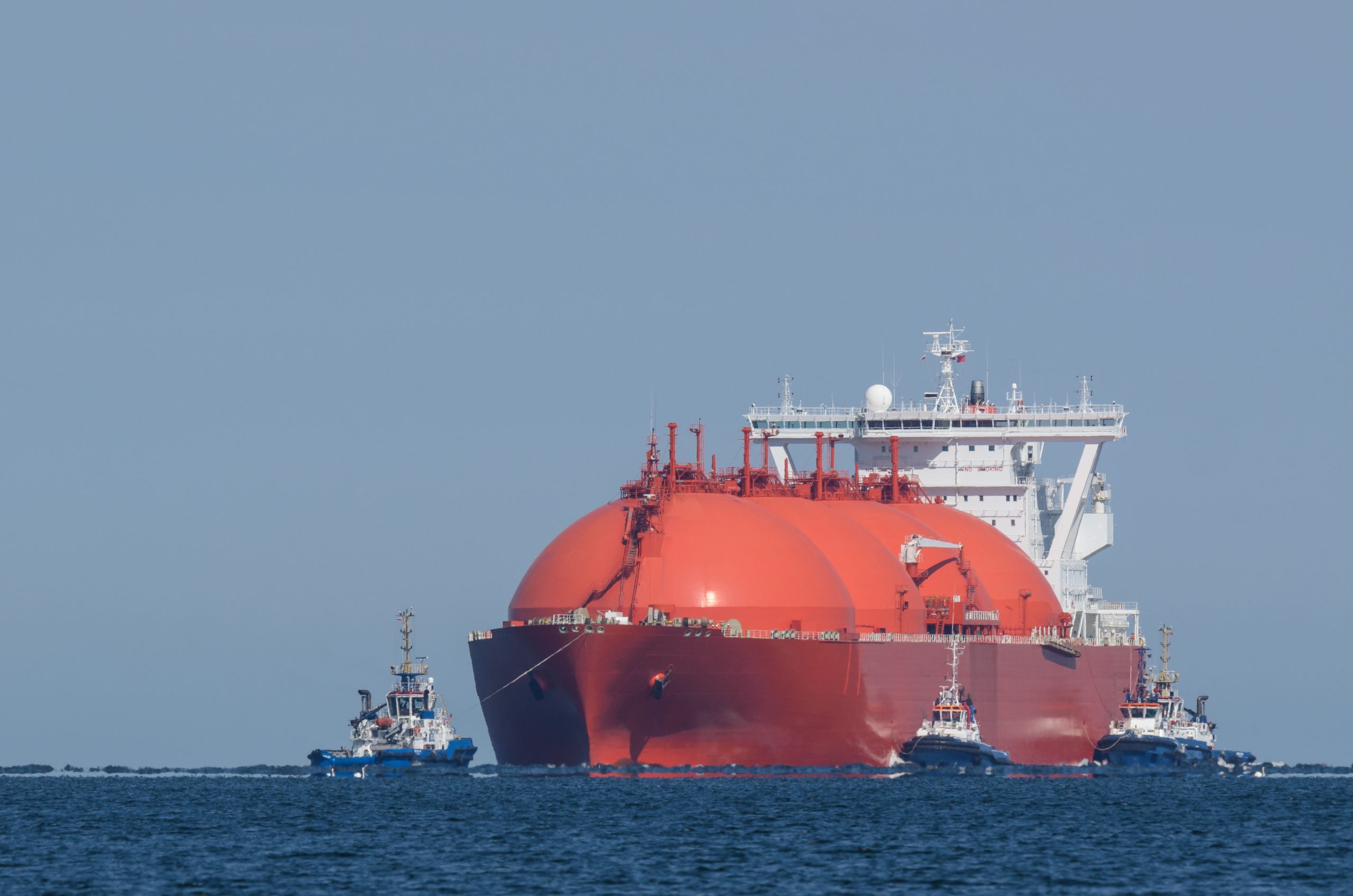
The rapid expansion of artificial intelligence and hyperscale data centers is creating a new structural driver for natural gas and liquefied natural gas (LNG) demand across Southeast Asia. As countries race to expand digital infrastructure, the region faces a parallel challenge: securing reliable electricity supplies for energy-intensive facilities at a time when domestic gas production is declining.
Data Centers Create a New Source of LNG Demand
Southeast Asia’s data-center pipeline is expected to more than triple from 2.8 gigawatts today to 9.4 GW by 2035, according to Wood Mackenzie. Electricity consumption from data centers is projected to rise from 17 terawatt-hours to 57 TWh over the same period.
The growth matters for LNG because AI data centers require reliable electricity around the clock. Combined-cycle gas turbines are currently among the most practical technologies capable of supplying that level of reliability at scale, while grid-scale battery storage remains commercially immature across much of the region.
The International Energy Agency also expects gas use in Southeast Asia’s power sector to increase by more than 60% under current policy settings through 2050. At the same time, regional gas production is declining, increasing the importance of imported LNG.
Singapore, Malaysia and Thailand Stand Out
The impact will vary considerably between countries. Singapore’s electricity grid currently relies on natural gas for approximately 95% of generation, meaning additional data-center capacity can translate directly into higher gas demand. With pipeline supplies from Malaysia and Indonesia expected to decline or end in the early 2030s, Singapore’s dependence on LNG is set to increase.
Malaysia and Thailand offer another significant source of potential growth. Malaysia has approximately 3.9 GW of data-center capacity under development, while new regasification infrastructure is being built to support rising electricity demand. Thailand already generates roughly two-thirds of its electricity from gas, and its LNG share of gas supply is expected to exceed 50% by 2035 as domestic production and pipeline imports decline.
Indonesia is also emerging as an important data-center market. The Batam area has more than 450 MW of capacity in the pipeline and is becoming a key part of the Singapore-Johor-Riau digital and industrial corridor.
Power Security Could Become the Main Constraint
The LNG opportunity is significant, but infrastructure will determine how quickly demand can materialize. Grid reliability, transmission capacity, regasification terminals and gas-fired generation all need to expand alongside data centers. In Malaysia, data centers already accounted for a record 9.3% of electricity consumption in mid-August 2026, highlighting how quickly concentrated digital demand can affect national power systems.
Higher LNG prices could also slow demand growth or encourage some buyers to switch to coal or other fuels. Southeast Asia is simultaneously trying to reduce emissions, expand renewables and maintain energy security, creating competing priorities for policymakers.
For LNG producers and infrastructure developers, the region’s AI buildout could therefore become an increasingly important long-term demand signal. The pace of data-center construction, new gas-fired capacity, LNG import infrastructure and domestic gas declines will determine how large that opportunity becomes. If AI investment continues accelerating, Southeast Asia could emerge as one of the most important incremental LNG demand centers in the global market over the next decade.
Comparison, examination, and analysis between investment houses
Leave your details, and an expert from our team will get back to you as soon as possible
* This article, in whole or in part, does not contain any promise of investment returns, nor does it constitute professional advice to make investments in any particular field.
To read more about the full disclaimer, click here
- Ronny Mor
- •
- 7 Min Read
- •
- ago 15 hours
SKN | Trump Says Russia Will Supply Diesel to U.S. and Global Markets as Fuel Prices Rise
President Donald Trump said Friday that Russia had agreed to immediately supply diesel to the United States and global
- ago 15 hours
- •
- 7 Min Read
President Donald Trump said Friday that Russia had agreed to immediately supply diesel to the United States and global
- Ronny Mor
- •
- 6 Min Read
- •
- ago 1 day
SKN | Gold Prices Rise as Dollar Weakens and Treasury Yields Fall
Gold prices advanced on Friday as a softer U.S. dollar and easing Treasury yields supported demand for the precious metal.
- ago 1 day
- •
- 6 Min Read

Gold prices advanced on Friday as a softer U.S. dollar and easing Treasury yields supported demand for the precious metal.

- sagi habasov
- •
- 7 Min Read
- •
- ago 1 day
SKN | Oil Prices Fall as Trump Rules Out Iran Strikes Before U.S. Midterms
Oil prices retreated from their session highs on October 8 after U.S. President Donald Trump said Washington would not launch
- ago 1 day
- •
- 7 Min Read
Oil prices retreated from their session highs on October 8 after U.S. President Donald Trump said Washington would not launch

- orshu
- •
- 7 Min Read
- •
- ago 2 days
SKN | Oil Prices Jump 5% Before Easing as Trump Rules Out Iran Attack This Month
Oil prices surged more than 5% on Thursday before paring gains after President Donald Trump said the United States
- ago 2 days
- •
- 7 Min Read
Oil prices surged more than 5% on Thursday before paring gains after President Donald Trump said the United States

