


- omer bar
- •
- 6 Min Read
- •
- 2 weeks ago
Key Points
- FDA approval of Icotyde introduces a first-in-class oral alternative to leading injectable psoriasis drugs.
- The drug targets the IL-23 pathway, competing directly with blockbuster therapies like Tremfya and Skyrizi.
- J&J projects peak annual sales exceeding $5 billion, signaling strong commercial expectations.

The approval of a new oral treatment by Johnson & Johnson marks a potentially pivotal shift in the treatment landscape for autoimmune diseases. The U.S. Food and Drug Administration has cleared Icotyde, a once-daily pill for moderate to severe plaque psoriasis, positioning it as a direct competitor to blockbuster injectable biologics. The move comes as pharmaceutical companies intensify efforts to capture market share in a highly lucrative segment, where convenience, pricing, and patient preference are becoming as critical as clinical efficacy
A New Oral Alternative in a Biologics-Dominated Market
Icotyde’s approval introduces a significant innovation in psoriasis treatment by targeting the same IL-23 pathway as leading injectable therapies, including J&J’s own Tremfya and AbbVie’s Skyrizi. These biologics have dominated the market due to their high efficacy but come with limitations, including high costs and the need for injections.
By offering similar therapeutic targeting in a pill form, Icotyde addresses a key barrier to treatment adoption. Approximately 75% of eligible patients do not progress to injectable therapies, often due to needle aversion or logistical challenges. This creates a sizable untapped patient population that an oral alternative could capture, potentially expanding the overall treatment market rather than merely redistributing existing demand.
Strategic Positioning and Market Opportunity
From a strategic standpoint, Icotyde is positioned as a “first-line systemic” therapy, bridging the gap between topical treatments and biologic injections. This intermediate positioning is crucial, as it allows J&J to intervene earlier in the treatment pathway, potentially capturing patients before they transition to competing therapies.
The commercial implications are substantial. With approximately 8 million psoriasis patients in the U.S. alone, even modest penetration rates could translate into significant revenue. J&J’s projection of more than $5 billion in peak annual sales reflects confidence not only in psoriasis but also in the drug’s potential expansion into other autoimmune conditions such as psoriatic arthritis, Crohn’s disease, and ulcerative colitis.
Pricing, Competition, and Investor Reaction
One of the key uncertainties surrounding Icotyde is pricing. Existing biologic treatments can cost around $100,000 annually, setting a high benchmark. If J&J prices Icotyde competitively, it could exert downward pressure on the broader market while accelerating adoption. However, premium pricing could limit its disruptive potential despite its convenience advantage.
Initial market reactions highlight the competitive implications. Shares of AbbVie declined notably following the announcement, reflecting investor concerns about increased competition for its flagship Skyrizi franchise. Meanwhile, J&J’s relatively muted stock movement suggests that while the approval is strategically important, its financial impact will depend on execution, pricing, and real-world uptake.
Forward Outlook: A Shift Toward Convenience-Driven Innovation
The approval of Icotyde underscores a broader trend in the pharmaceutical industry toward treatments that combine high efficacy with improved patient convenience. As competition intensifies in autoimmune diseases, companies that can reduce barriers to treatment—whether through oral delivery, pricing strategies, or expanded indications—are likely to gain a strategic edge. Investors will be closely watching Icotyde’s launch trajectory, particularly prescription trends and pricing disclosures, as early indicators of whether this innovation can meaningfully disrupt the biologics market or simply coexist alongside established therapies.
Comparison, examination, and analysis between investment houses
Leave your details, and an expert from our team will get back to you as soon as possible
* This article, in whole or in part, does not contain any promise of investment returns, nor does it constitute professional advice to make investments in any particular field.
To read more about the full disclaimer, click here
- Ronny Mor
- •
- 9 Min Read
- •
- ago 2 days
SKN | China’s Space Race Heats Up: Can CAS Space’s $607 Million IPO Close the Gap with SpaceX?
China’s commercial space ambitions are entering a new phase as CAS Space Technology moves forward with plans to raise approximately
- ago 2 days
- •
- 9 Min Read

China’s commercial space ambitions are entering a new phase as CAS Space Technology moves forward with plans to raise approximately
- Ronny Mor
- •
- 7 Min Read
- •
- ago 3 days
SKN | Can Novo Nordisk’s Subscription Strategy Help It Catch Up in the Obesity Drug Race?
Novo Nordisk is rolling out a new subscription-based pricing model for its blockbuster obesity treatment Wegovy, signaling a strategic shift
- ago 3 days
- •
- 7 Min Read
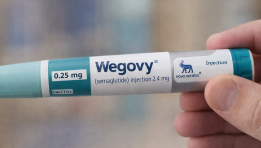
Novo Nordisk is rolling out a new subscription-based pricing model for its blockbuster obesity treatment Wegovy, signaling a strategic shift

- omer bar
- •
- 7 Min Read
- •
- ago 1 week
SKN | Is the AI Boom Expanding Beyond GPUs Into a Full Infrastructure Supercycle?
The artificial intelligence trade is entering a new phase—one that extends far beyond chips. NVIDIA’s latest results revealed a staggering
- ago 1 week
- •
- 7 Min Read

The artificial intelligence trade is entering a new phase—one that extends far beyond chips. NVIDIA’s latest results revealed a staggering
- Ronny Mor
- •
- 6 Min Read
- •
- ago 1 week
SKN | 5 Wealth Moves People Make Right After Crossing $1 Million — And What They Get Wrong
The Moment Everything Shifts Crossing the $1 million mark feels like an arrival point. In reality, it’s a transition. Until
- ago 1 week
- •
- 6 Min Read

The Moment Everything Shifts Crossing the $1 million mark feels like an arrival point. In reality, it’s a transition. Until


