


- Ronny Mor
- •
- 8 Min Read
- •
- 20 seconds ago
Key Points
- The UK has declined to participate in a proposed U.S. blockade of the Strait of Hormuz, exposing growing geopolitical divisions among Western allies.
- The move underscores concerns over escalation risks and the importance of maintaining global energy flows.
- Markets are likely to remain sensitive as uncertainty around the waterway persists.
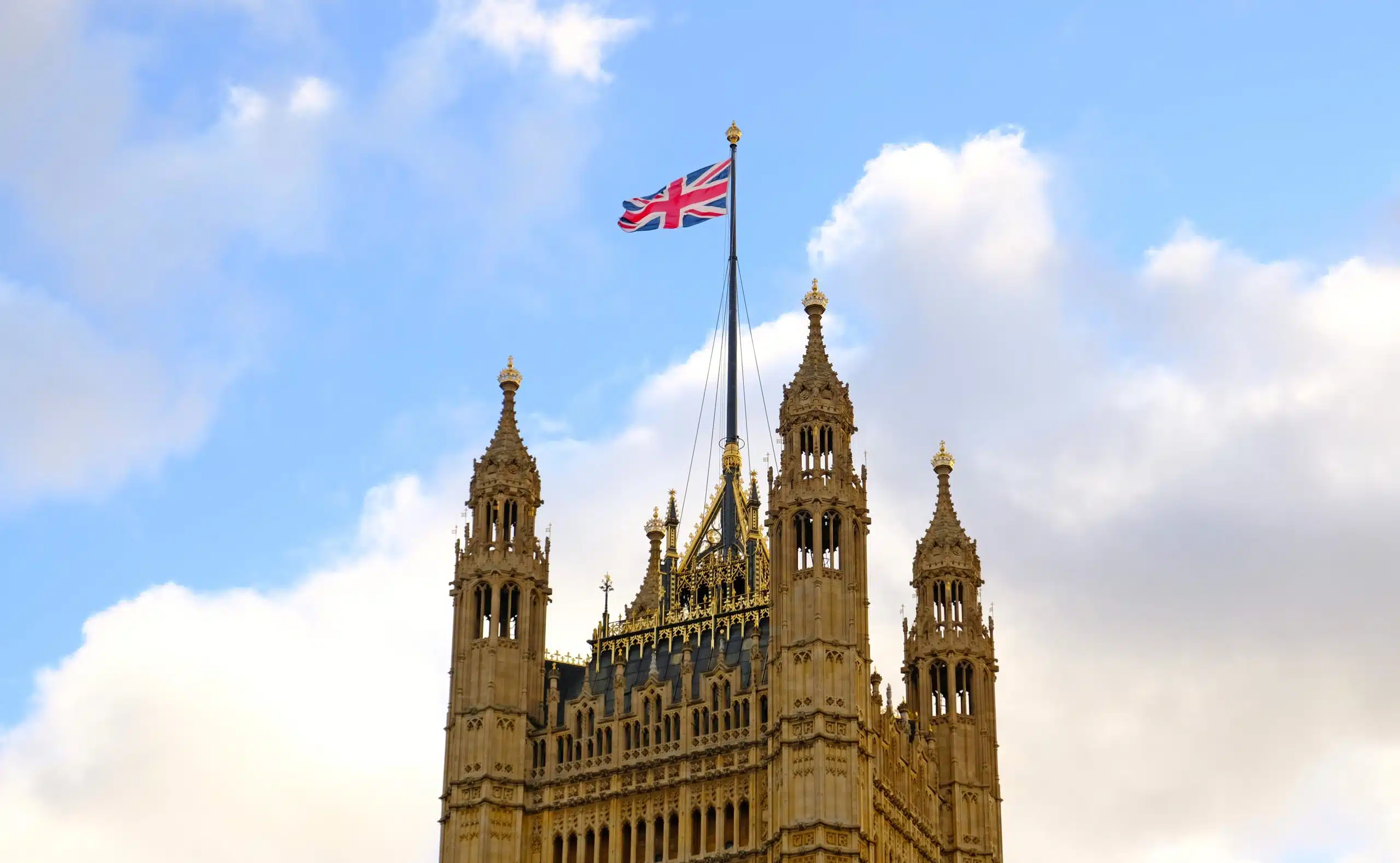
The United Kingdom’s decision to reject participation in a proposed U.S. naval blockade of the Strait of Hormuz marks a significant geopolitical divergence between Donald Trump and Keir Starmer. At the center of the dispute is one of the world’s most critical energy chokepoints, through which a substantial portion of global oil supply flows.
While the U.S. has signaled a more aggressive military stance, the UK is prioritizing de-escalation and the preservation of open shipping lanes, highlighting differing strategic approaches among key Western allies.
Strategic Divide Emerges Between Allies
The refusal by the UK to join a blockade reflects a broader divergence in how allies are approaching the conflict involving Iran. Washington’s proposal to enforce a naval blockade represents a significant escalation, aimed at exerting pressure on Tehran and controlling maritime access.
In contrast, London has emphasized the importance of freedom of navigation and avoiding further destabilization. The UK government has made clear that it does not view military enforcement of the strait as a viable or desirable solution at this stage.
This divergence underscores growing tension within alliances, where shared objectives do not necessarily translate into aligned tactics.
Hormuz Strait Remains a Critical Global Chokepoint
The Strait of Hormuz is one of the most strategically important waterways in the global economy. A significant share of the world’s oil and liquefied natural gas passes through this narrow corridor, making it highly sensitive to geopolitical disruptions.
Any attempt to block or restrict access carries immediate implications for global energy markets, supply chains, and inflation dynamics. Even without a full blockade, the mere threat of disruption is enough to drive volatility in oil prices.
The UK’s stance reflects concerns that aggressive action could exacerbate these risks rather than resolve them.
Alternative Approaches Focus on De-escalation
Rather than supporting a blockade, the UK is exploring alternative measures aimed at securing the waterway without escalating military conflict. These include discussions with allies on coordinated efforts to ensure safe passage, potentially involving defensive systems such as mine-clearing technologies.
This approach reflects a preference for stabilization over confrontation. Many countries involved in ongoing discussions appear reluctant to commit naval forces unless there is a clearer path toward a lasting diplomatic resolution.
The emphasis remains on reopening the strait through negotiation rather than force.
Political Tensions Add Complexity
The disagreement has also intensified political tensions between Trump and Starmer. Public criticism and contrasting rhetoric highlight not only policy differences but also broader disagreements over leadership style and strategic priorities.
Such tensions can complicate coordination among allies, particularly in high-stakes geopolitical situations. Diverging narratives may also influence market perceptions, as investors assess the likelihood of unified or fragmented responses to the crisis.
Market Implications: Uncertainty Drives Volatility
For financial markets, the situation introduces an additional layer of uncertainty. Energy markets, in particular, are highly sensitive to developments in the Strait of Hormuz, given its central role in global supply.
The lack of a coordinated approach among major powers increases the unpredictability of outcomes. Investors must now consider multiple scenarios, ranging from diplomatic resolution to further escalation.
This uncertainty is likely to sustain a geopolitical risk premium in oil prices and contribute to continued market volatility.
Outlook: Fragmentation Could Shape the Next Phase
Looking ahead, the divergence between the U.S. and the UK may signal a broader trend of fragmented responses to global conflicts. The effectiveness of any strategy to stabilize the region will depend on coordination among key stakeholders.
If diplomatic efforts gain traction, tensions could ease, supporting more stable market conditions. However, if divisions persist and escalation risks increase, markets may face prolonged uncertainty.
The direction of policy—and the degree of alignment among allies—will be critical in determining the path forward.
Comparison, examination, and analysis between investment houses
Leave your details, and an expert from our team will get back to you as soon as possible
* This article, in whole or in part, does not contain any promise of investment returns, nor does it constitute professional advice to make investments in any particular field.
To read more about the full disclaimer, click here
- omer bar
- •
- 8 Min Read
- •
- ago 4 days
SKN | Will U.S. Crypto Regulation Finally Gain Clarity as Congress Faces Mounting Pressure?
The push for comprehensive cryptocurrency regulation in the United States is intensifying as Treasury Secretary Scott Bessent calls on Congress
- ago 4 days
- •
- 8 Min Read

The push for comprehensive cryptocurrency regulation in the United States is intensifying as Treasury Secretary Scott Bessent calls on Congress

- sagi habasov
- •
- 6 Min Read
- •
- ago 4 days
SKN | Iran’s Crypto Transit Proposal in Hormuz: Strategic Shift or Escalation Risk for Global Trade?
Iran has reportedly introduced a proposal to impose cryptocurrency-based fees on ships transiting the Strait of Hormuz during a
- ago 4 days
- •
- 6 Min Read

Iran has reportedly introduced a proposal to impose cryptocurrency-based fees on ships transiting the Strait of Hormuz during a

- Lior mor
- •
- 6 Min Read
- •
- ago 1 week
SKN | Prolonged Conflict in Iran: Long-Term Economic Shockwaves Across Energy and Global Markets
The ongoing conflict involving Iran shows no clear signs of de-escalation, raising concerns about prolonged economic and geopolitical disruption.
- ago 1 week
- •
- 6 Min Read
The ongoing conflict involving Iran shows no clear signs of de-escalation, raising concerns about prolonged economic and geopolitical disruption.

- orshu
- •
- 6 Min Read
- •
- ago 1 week
SKN | Trump’s $2.2 Trillion Budget Plan: Defense Expansion Signals Strategic Shift in US Fiscal Policy
Former President Donald Trump’s proposed $2.2 trillion federal budget is drawing attention across global financial markets, as it combines
- ago 1 week
- •
- 6 Min Read
Former President Donald Trump’s proposed $2.2 trillion federal budget is drawing attention across global financial markets, as it combines

