





- Ronny Mor
- •
- 6 Min Read
- •
- 1 hour ago
Key Points
- ServiceNow (NYSE: NOW) has declined approximately 48% over the past year despite expectations for continued double-digit revenue and earnings growth.
- Analyst estimates project revenue to grow at a 13.8% compound annual growth rate (CAGR) between 2026 and 2029, while normalized net income is expected to expand at a 14.4% CAGR.
- The disconnect between the company's operating outlook and its share price has renewed debate over whether the stock's valuation now reflects excessive market pessimism.
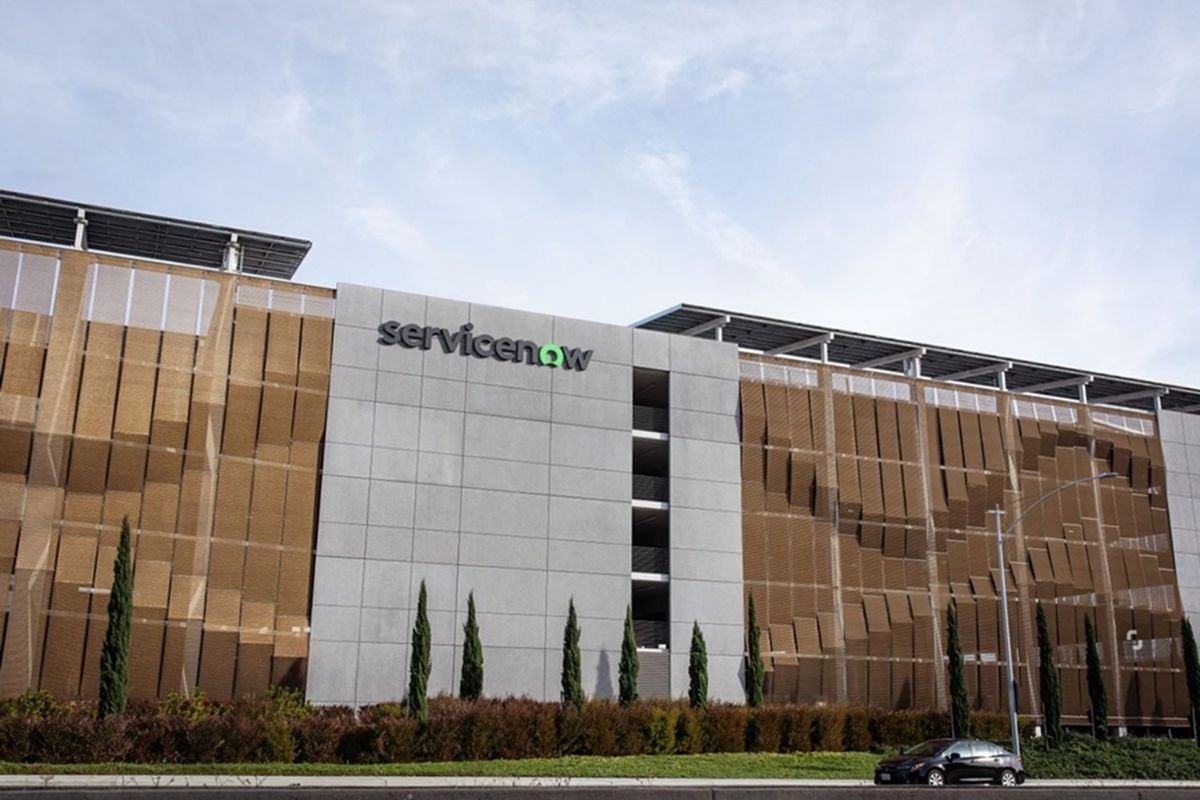
ServiceNow Inc. (NYSE: NOW) has become one of the more closely watched software companies following a significant share-price correction over the past year. Despite losing approximately 48% of its market value, analyst forecasts continue to point toward solid long-term growth in both revenue and profitability, raising questions about whether the market has become overly cautious.
The contrast between the company’s declining stock price and improving financial outlook reflects a broader trend in technology markets, where valuation compression has affected even fundamentally strong businesses amid changing interest-rate expectations and evolving investor sentiment.
Fundamentals Continue to Point Higher
According to analyst estimates highlighted in the accompanying data, ServiceNow’s revenue is expected to grow at a compound annual growth rate of 13.8% between 2026 and 2029. During the same period, normalized net income is projected to increase at an annual rate of 14.4%, reflecting expectations for continued operating leverage and expanding profitability.
The projections indicate that the company’s enterprise software platform continues to benefit from demand for workflow automation, artificial intelligence integration, and digital transformation initiatives across large organizations. If achieved, these growth rates would position ServiceNow among the stronger long-term performers in the enterprise software industry.
Why Has the Stock Fallen?
Despite improving business fundamentals, ServiceNow’s shares have faced pressure from broader market factors rather than company-specific operational weakness. Higher interest rates, multiple compression across growth stocks, and increased investor scrutiny of technology valuations have weighed on software companies throughout the sector.
Markets often reprice high-growth companies when discount rates rise, even if underlying financial performance remains healthy. As a result, strong revenue growth alone may not immediately translate into higher share prices when investors become more focused on valuation and capital discipline.
Long-Term Growth Versus Market Sentiment
The phrase “buy broken stocks, not broken companies” reflects the idea that share prices can occasionally diverge from business fundamentals. However, determining whether such a disconnect exists requires careful analysis of competitive positioning, earnings quality, cash flow generation, and future execution rather than relying solely on historical price declines.
For ServiceNow, investors will continue monitoring adoption of artificial intelligence capabilities, enterprise software spending, customer retention, and operating margins. These factors will ultimately determine whether the projected revenue and earnings growth materialize over the coming years.
Looking ahead, ServiceNow’s future performance will depend on its ability to sustain enterprise demand while expanding profitability in an increasingly competitive software market. Investors will closely watch upcoming earnings reports, management guidance, and broader technology spending trends to determine whether the company’s long-term fundamentals continue to justify expectations for double-digit growth despite recent market volatility.
Comparison, examination, and analysis between investment houses
Leave your details, and an expert from our team will get back to you as soon as possible
* This article, in whole or in part, does not contain any promise of investment returns, nor does it constitute professional advice to make investments in any particular field.
To read more about the full disclaimer, click here
- omer bar
- •
- 5 Min Read
- •
- ago 34 minutes
SKN | AMD’s AI Strategy Wins Wall Street Support as Analysts Raise Price Targets
Advanced Micro Devices (NASDAQ: AMD) has received renewed support from Wall Street following its recent Advancing AI event, where
- ago 34 minutes
- •
- 5 Min Read

Advanced Micro Devices (NASDAQ: AMD) has received renewed support from Wall Street following its recent Advancing AI event, where

- orshu
- •
- 6 Min Read
- •
- ago 53 minutes
SKN | Oracle’s AI Momentum Fuels Long-Term Growth Narrative—Is the Valuation Becoming More Compelling?
Oracle Corporation (NYSE: ORCL) has emerged as one of the most closely watched beneficiaries of the artificial intelligence investment
- ago 53 minutes
- •
- 6 Min Read

Oracle Corporation (NYSE: ORCL) has emerged as one of the most closely watched beneficiaries of the artificial intelligence investment

- sagi habasov
- •
- 7 Min Read
- •
- ago 1 hour
SKN | Nvidia Strengthens AI Supply Chain with Landmark SK Hynix Partnership
Nvidia is reinforcing its leadership in artificial intelligence infrastructure by securing one of the industry's most critical resources: high-bandwidth
- ago 1 hour
- •
- 7 Min Read

Nvidia is reinforcing its leadership in artificial intelligence infrastructure by securing one of the industry's most critical resources: high-bandwidth

- Arik Arkadi Sluzki
- •
- 6 Min Read
- •
- ago 2 hours
SKN | U.S. Defense Spending Reaches Historic Levels—Could Ondas Be Among the Biggest Beneficiaries?
The United States continues to increase its commitmeant to defense modernization as Congress advances the $1.2 trillion National Defense
- ago 2 hours
- •
- 6 Min Read

The United States continues to increase its commitmeant to defense modernization as Congress advances the $1.2 trillion National Defense


