


- orshu
- •
- 6 Min Read
- •
- 5 months ago
Key Points
- Gas prices have fallen to their lowest levels since early 2021, reflecting abundant supply and easing demand.
- The decline is reshaping inflation expectations and household spending dynamics across major economies.
- Energy producers face renewed pressure as markets reassess profitability and capital discipline.
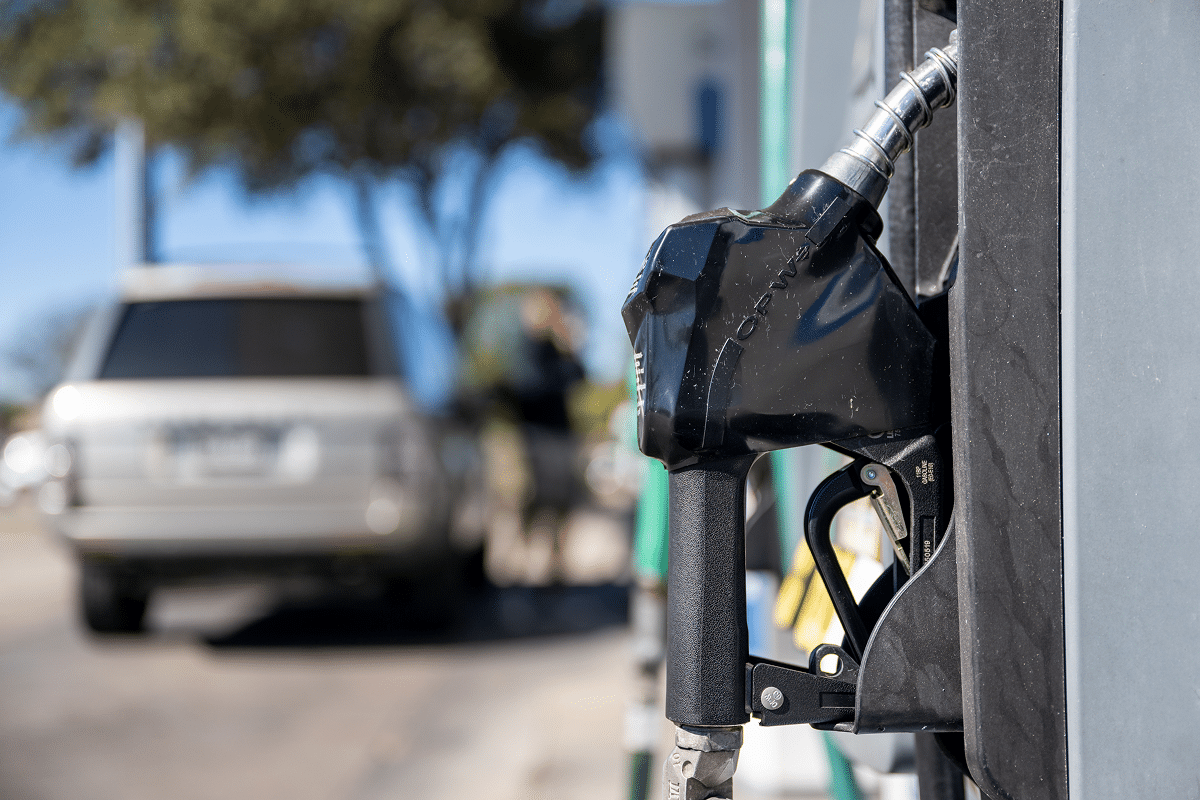
Gas prices continued their downward slide, reaching levels last seen in early 2021 as markets grapple with a prolonged supply surplus and cooling consumption. The move underscores a broader recalibration in energy markets, where post-pandemic volatility has given way to a more subdued demand outlook amid slower global growth.
For investors and policymakers, the drop carries implications beyond fuel costs, influencing inflation trajectories, consumer sentiment, and the earnings outlook for energy producers.
Supply overhang drives prices lower
The latest decline has been driven primarily by a sustained supply overhang. Strong production levels in key regions, including North America and parts of the Middle East, have kept inventories well above historical averages. At the same time, infrastructure constraints have eased, allowing gas to flow more freely to end markets.
Liquefied natural gas (LNG) exports have remained robust, but not enough to offset domestic oversupply in several producing countries. Weather patterns have also played a role: milder-than-expected conditions in parts of Europe and Asia have reduced heating demand, leaving storage facilities comfortably stocked.
These dynamics have combined to push prices down sharply, reinforcing expectations that the market may remain well supplied into the coming quarters.
Macroeconomic impact and inflation relief
Lower gas prices are providing tangible inflation relief, particularly for energy-intensive economies. For households, reduced utility bills can free up disposable income at a time when wage growth is moderating and borrowing costs remain elevated.
Central banks are watching closely. Energy prices were a major contributor to inflation spikes in recent years, and their reversal could accelerate the disinflationary trend. In Europe, where gas costs surged dramatically during the energy crisis, the return to early-2021 levels eases pressure on both consumers and governments.
In Israel, lower global gas prices help stabilize energy-linked costs, though domestic pricing structures and long-term supply contracts may temper the immediate pass-through.
Energy sector faces renewed pressure
For the energy sector, the price slump presents a more challenging backdrop. Producers that expanded aggressively during periods of elevated prices may now face margin compression, particularly those with higher operating costs. Equity valuations across gas-focused companies have already reflected some of this pressure, as investors reassess cash-flow durability.
At the same time, lower prices could deter new investment in marginal projects, potentially sowing the seeds for tighter supply further out. This tension between short-term oversupply and long-term investment discipline remains a defining feature of the market.
Traders are also monitoring geopolitical developments and potential policy shifts that could alter supply-demand balances, from export restrictions to environmental regulations.
Looking ahead, markets will focus on inventory trends, weather forecasts, and signals from major producers regarding output plans. While the current environment favors consumers and supports disinflation, any disruption—from extreme weather to geopolitical shocks—could quickly change sentiment. For now, however, gas prices at early-2021 lows signal a market firmly in surplus, reshaping expectations for energy, inflation, and growth in the year ahead.
Comparison, examination, and analysis between investment houses
Leave your details, and an expert from our team will get back to you as soon as possible
* This article, in whole or in part, does not contain any promise of investment returns, nor does it constitute professional advice to make investments in any particular field.
To read more about the full disclaimer, click here
- Ronny Mor
- •
- 8 Min Read
- •
- ago 4 hours
SKN | Is Fed Chair Kevin Warsh Facing an Inflation Trap Instead of the Rate-Cut Cycle Markets Expected?
Kevin Warsh entered the Federal Reserve’s top role with expectations that he could guide the U.S. economy toward lower interest
- ago 4 hours
- •
- 8 Min Read

Kevin Warsh entered the Federal Reserve’s top role with expectations that he could guide the U.S. economy toward lower interest

- Lior mor
- •
- 7 Min Read
- •
- ago 4 hours
SKN | Is Britain Facing a “Lost Generation” as Youth Unemployment Climbs to a Decade High?
Britain’s growing youth unemployment crisis is emerging as one of the most serious long-term economic and political challenges facing Prime
- ago 4 hours
- •
- 7 Min Read

Britain’s growing youth unemployment crisis is emerging as one of the most serious long-term economic and political challenges facing Prime

- omer bar
- •
- 8 Min Read
- •
- ago 9 hours
SKN | Can Oil Markets Sustain Momentum as Geopolitical Risk in the Strait of Hormuz Intensifies?
Global oil markets rebounded as geopolitical tensions escalated following reports of US strikes on targets linked to Iranian positions near
- ago 9 hours
- •
- 8 Min Read

Global oil markets rebounded as geopolitical tensions escalated following reports of US strikes on targets linked to Iranian positions near

- sagi habasov
- •
- 8 Min Read
- •
- ago 11 hours
SKN | Will Oil Prices Escalate Further After US Strike on Iranian Military Site Triggers Market Repricing?
Global oil markets rebounded after reports that US forces conducted strikes on an Iranian military site, reigniting concerns over geopolitical
- ago 11 hours
- •
- 8 Min Read

Global oil markets rebounded after reports that US forces conducted strikes on an Iranian military site, reigniting concerns over geopolitical


