


- omer bar
- •
- 8 Min Read
- •
- 1 hour ago
Key Points
- Oil prices rebounded after reports of US strikes on targets near the Hormuz corridor, reigniting geopolitical risk premiums.
- Market sentiment remains highly sensitive to any potential disruption in global crude supply routes.
- Investors are reassessing volatility across energy markets, inflation expectations, and risk assets amid stalled diplomatic talks.

Global oil markets rebounded as geopolitical tensions escalated following reports of US strikes on targets linked to Iranian positions near the Strait of Hormuz, a critical chokepoint for global energy flows. The move came at a time when diplomatic discussions remain at an impasse, reinforcing concerns that energy markets may face renewed instability. For investors in Israel and globally, the development highlights the persistent vulnerability of crude pricing to geopolitical shocks in the Middle East.
Geopolitical Escalation Reprices Supply Risk
The initial market reaction reflected a rapid repricing of geopolitical risk premiums, with traders reassessing the likelihood of potential disruptions to one of the world’s most important oil transit routes. The Strait of Hormuz is responsible for a significant share of global seaborne crude and refined product shipments, making it highly sensitive to regional military developments.
Oil benchmarks typically respond sharply to tensions involving Iran and surrounding maritime corridors due to the strategic importance of the region in global energy infrastructure. Even without confirmed supply disruptions, markets tend to price in heightened insurance costs, shipping risks, and the possibility of temporary transport delays.
The latest escalation adds to an already fragile geopolitical backdrop, where diplomatic negotiations have shown limited progress. This has reinforced uncertainty around the medium-term stability of energy flows through the Gulf region.
Energy Markets React to Renewed Volatility
Crude oil prices moved higher in response to the escalation, reversing part of the recent stabilisation trend seen in global energy markets. The rebound underscores how quickly sentiment can shift when geopolitical risk re-enters pricing dynamics, particularly in a market already balancing demand uncertainty and supply discipline from major producers.
Energy markets remain highly reactive to developments in the Middle East, with traders closely monitoring both official communications and operational risks related to shipping infrastructure. Volatility in crude often transmits quickly into broader financial markets, influencing inflation expectations and risk sentiment across equities and bonds.
Energy-linked equities also tend to reflect these shifts, with upstream producers generally benefiting from higher prices while downstream sectors face margin pressure from rising input costs. This divergence often leads to increased dispersion within energy-related equity indices.
For global investors, including Israeli institutional portfolios with exposure to commodities and inflation-sensitive assets, the current environment highlights the importance of managing geopolitical risk within energy allocations.
Inflation Expectations and Macro Spillovers
Beyond the immediate impact on oil prices, rising energy costs carry broader implications for inflation expectations and monetary policy trajectories. Energy remains a core input across transportation, manufacturing, and consumer goods, meaning sustained price increases can quickly filter into broader price levels.
Central banks are likely to monitor developments closely, particularly in economies already navigating uneven inflation progress. While short-term spikes in oil prices are often viewed as temporary, prolonged geopolitical instability can complicate policy outlooks and market expectations around interest rate cuts or tightening cycles.
Currency markets also tend to react to oil-driven inflation dynamics, with energy-importing economies facing potential pressure on trade balances, while energy exporters may see relative currency support.
Outlook and Key Market Drivers Ahead
Looking ahead, oil market direction will depend heavily on whether geopolitical tensions escalate further or whether diplomatic channels regain momentum. Traders will continue to monitor developments around the Strait of Hormuz, US-Iran relations, and any signs of disruption to shipping infrastructure.
Key risks include renewed escalation in military activity, sustained disruption to maritime logistics, and prolonged uncertainty in diplomatic negotiations, all of which could sustain elevated volatility in crude markets. On the other hand, any de-escalation or resumption of negotiations could quickly reduce risk premiums and stabilize prices.
For global markets, the situation reinforces the structural reality that oil remains one of the most geopolitically sensitive assets, with pricing increasingly shaped by the intersection of military developments, supply chain security, and macroeconomic expectations.
Comparison, examination, and analysis between investment houses
Leave your details, and an expert from our team will get back to you as soon as possible
* This article, in whole or in part, does not contain any promise of investment returns, nor does it constitute professional advice to make investments in any particular field.
To read more about the full disclaimer, click here
- sagi habasov
- •
- 8 Min Read
- •
- ago 3 hours
SKN | Will Oil Prices Escalate Further After US Strike on Iranian Military Site Triggers Market Repricing?
Global oil markets rebounded after reports that US forces conducted strikes on an Iranian military site, reigniting concerns over geopolitical
- ago 3 hours
- •
- 8 Min Read

Global oil markets rebounded after reports that US forces conducted strikes on an Iranian military site, reigniting concerns over geopolitical

- Lior mor
- •
- 7 Min Read
- •
- ago 5 hours
SKN | Are Asian Equities Losing Momentum as Gulf Tensions Prolong Global Risk Aversion?
Asian equity markets paused their recent upward momentum as prolonged geopolitical tensions in the Gulf region weighed on investor sentiment
- ago 5 hours
- •
- 7 Min Read
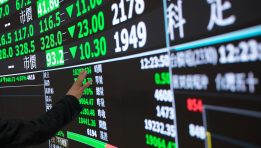
Asian equity markets paused their recent upward momentum as prolonged geopolitical tensions in the Gulf region weighed on investor sentiment

- omer bar
- •
- 8 Min Read
- •
- ago 13 hours
SKN | Canada Redirects Aluminium Trade Toward Europe as Iran Conflict Drives Prices Higher
Global aluminium markets are experiencing renewed volatility as escalating geopolitical tensions involving Iran fuel concerns over supply disruptions, higher
- ago 13 hours
- •
- 8 Min Read

Global aluminium markets are experiencing renewed volatility as escalating geopolitical tensions involving Iran fuel concerns over supply disruptions, higher

- orshu
- •
- 6 Min Read
- •
- ago 2 days
SKN | Silver’s Long-Term Outlook: What Could Shape Prices Over the Next Decade?
Silver is regaining attention among global investors as long-term demand trends intersect with ongoing geopolitical uncertainty, energy-transition spending, and
- ago 2 days
- •
- 6 Min Read

Silver is regaining attention among global investors as long-term demand trends intersect with ongoing geopolitical uncertainty, energy-transition spending, and


