




- Ronny Mor
- •
- 6 Min Read
- •
- 7 minutes ago


Key Points
- Boston Fed President Susan Collins says a steady, gradual pace of rate increases is currently the best way to manage economic uncertainty.
- Recent inflation and labor-market data have led Collins to expect interest rates could ultimately move higher than previously anticipated.
- Collins sees risks on both sides, including persistent inflation, a potentially stronger labor market and the possibility that higher long-term rates could restrain demand.
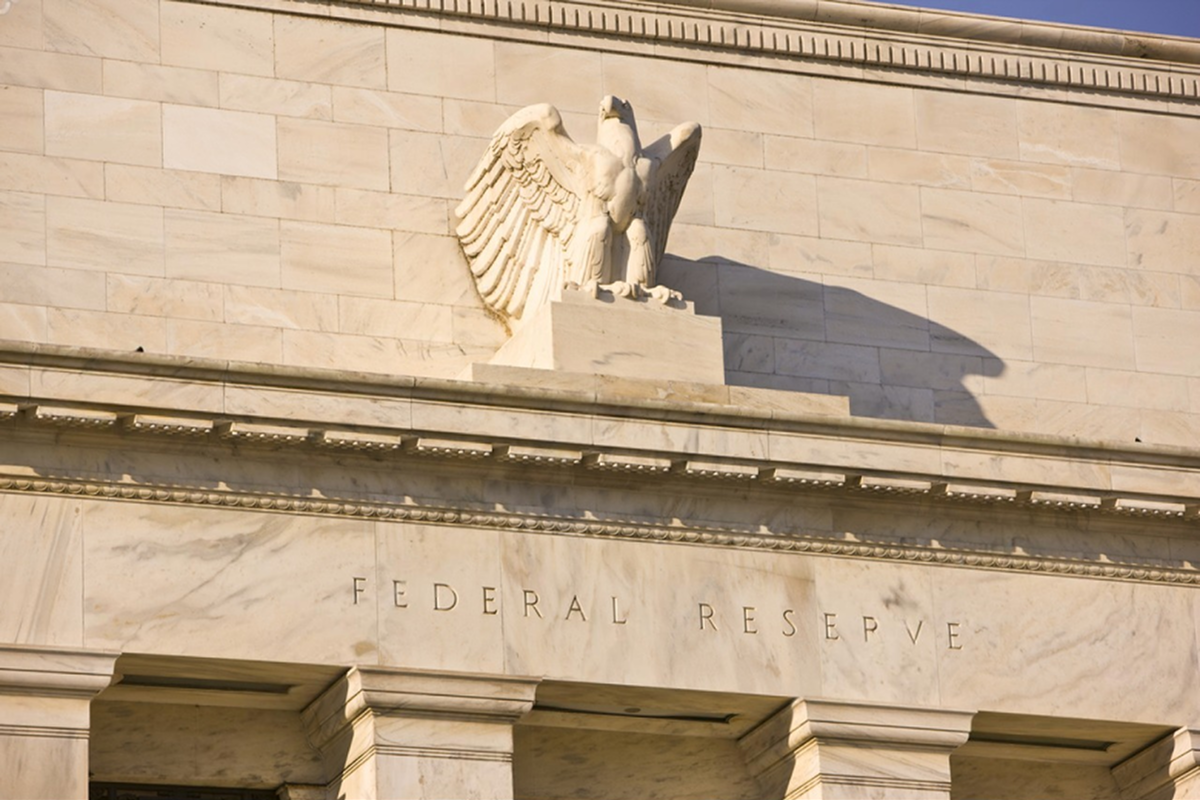
Federal Reserve Bank of Boston President Susan Collins said the U.S. central bank should continue raising interest rates at a measured pace, arguing that gradual tightening offers the best balance as policymakers navigate persistent inflation and evolving economic risks. Her comments reinforce expectations for further rate increases while signaling that the Fed remains cautious about accelerating the pace of tightening.
Collins Favors a Steady Approach to Monetary Tightening
Speaking at a housing conference hosted by the Boston Fed, Collins said that a steady and gradual path for higher interest rates appeared appropriate for now, while emphasizing that she remained open-minded as economic conditions develop.
Collins described the risks to the real economy as two-sided. Inflation remains elevated and its increases are becoming broader across the economy, while the labor market appears stable and could potentially strengthen further. At the same time, she warned that additional economic shocks could emerge and alter the outlook.
Inflation and Labor Data Shift the Rate Outlook
Collins said recent economic data have changed her expectations for where monetary policy could ultimately settle during the current tightening cycle. In particular, price data from the past three months and a stronger labor market have led her to believe that policy rates over the coming year could be somewhat higher than she had anticipated only a few months earlier.
That shift comes as inflation remains above the Fed’s 2% target, which Collins noted has been the case for more than five years. However, she argued that the persistence of inflation does not necessarily justify a more aggressive pace of increases at this stage.
Higher Long-Term Rates Could Add Restraint
Another factor complicating the policy outlook is the rise in medium- and longer-term interest rates since the beginning of the year. Collins said those higher borrowing costs could weigh on demand more significantly than currently expected, creating an additional source of economic restraint without requiring the Fed to accelerate short-term rate increases.
The Fed last raised rates in September, leaving its target range at 3.75% to 4%. Markets widely expect another quarter-point increase at the December 8–9 meeting, potentially followed by another increase in January. Collins cautioned, however, that supporting gradual tightening does not necessarily imply a fixed schedule for future moves.
What Investors Will Watch Next
The central question for markets will be whether incoming inflation and employment data validate Collins’ expectation that rates may need to move higher over the next year. A measured approach could give the economy more time to adjust to higher borrowing costs, but persistent inflation or renewed labor-market strength could increase pressure for a faster response.
For investors, the key signals will remain the trajectory of inflation, employment conditions and longer-term Treasury yields. Collins’ comments suggest the Fed is preparing for further tightening while preserving flexibility, keeping the pace of future rate increases dependent on how the economic data evolve.
Comparison, examination, and analysis between investment houses
Leave your details, and an expert from our team will get back to you as soon as possible
* This article, in whole or in part, does not contain any promise of investment returns, nor does it constitute professional advice to make investments in any particular field.
To read more about the full disclaimer, click here
- sagi habasov
- •
- 7 Min Read
- •
- ago 17 hours
SKN | Fed’s Warsh Weighs AI’s Impact as U.S. Grows Wary of the Technology Boom
The Federal Reserve is taking a closer look at the economic consequences of artificial intelligence as the technology’s rapid
- ago 17 hours
- •
- 7 Min Read
The Federal Reserve is taking a closer look at the economic consequences of artificial intelligence as the technology’s rapid

- Ronny Mor
- •
- 6 Min Read
- •
- ago 17 hours
SKN | Dollar Heads for Strongest Week in Two Months as Yen Nears 160
The U.S. dollar is heading toward its strongest weekly performance in two months as investors increase expectations for Federal
- ago 17 hours
- •
- 6 Min Read

The U.S. dollar is heading toward its strongest weekly performance in two months as investors increase expectations for Federal
- sagi habasov
- •
- 7 Min Read
- •
- ago 17 hours
SKN | U.S. Bank Overdraft Fees Reach Four-Year High as Consumer Credit Risks Emerge
U.S. banks collected $1.6 billion in overdraft fees in the third quarter, marking the highest quarterly amount in four
- ago 17 hours
- •
- 7 Min Read

U.S. banks collected $1.6 billion in overdraft fees in the third quarter, marking the highest quarterly amount in four
- Ronny Mor
- •
- 8 Min Read
- •
- ago 18 hours
SKN | US Layoff Announcements Fall 71% in October, but Economic Pressures Remain a Concern
U.S. employers announced substantially fewer job cuts in October, offering evidence that the pace of corporate workforce reductions has
- ago 18 hours
- •
- 8 Min Read

U.S. employers announced substantially fewer job cuts in October, offering evidence that the pace of corporate workforce reductions has
