


- omer bar
- •
- 7 Min Read
- •
- 8 seconds ago
Key Points
- The United States and Iran are reportedly pursuing additional ceasefire discussions as tensions in key maritime corridors remain elevated.
- Shipping disruptions linked to heightened security measures have contributed to delays and partial suspension of vessel movement in strategic routes.
- Energy markets are reassessing geopolitical risk premiums as traders weigh diplomatic progress against ongoing supply-chain uncertainty.
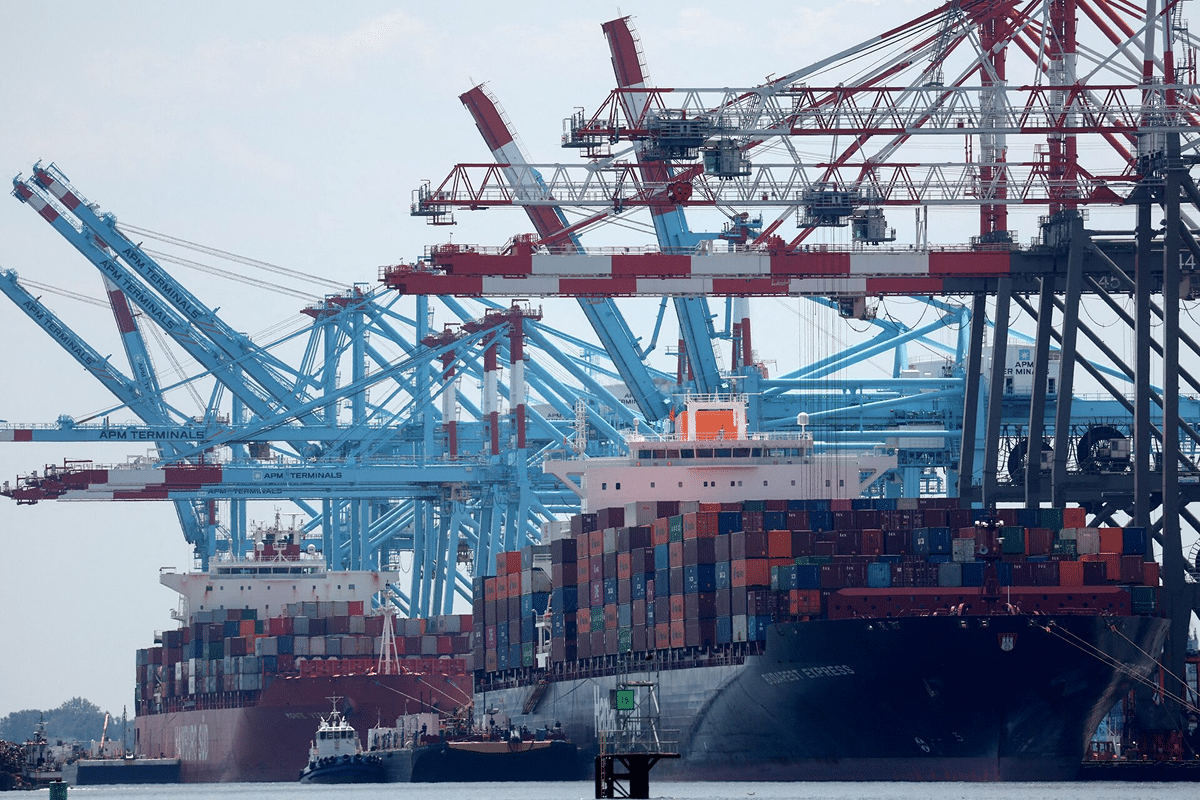
Global energy and shipping markets are reacting to a rapidly shifting geopolitical environment, as the United States and Iran reportedly seek expanded ceasefire discussions while maritime disruptions continue to affect vessel movement in critical transit routes. The situation has created renewed uncertainty across global logistics networks, particularly in energy shipping lanes that are highly sensitive to geopolitical escalation and security constraints.
Maritime Disruptions Heighten Energy Supply Concerns
Reports of shipping interruptions linked to heightened security enforcement have led to temporary stoppages and rerouting of commercial vessels in key maritime corridors. These routes are essential for global oil and liquefied natural gas flows, making them a focal point for market participants assessing near-term supply risk.
Even without a confirmed full-scale blockade, partial restrictions have been sufficient to disrupt scheduling, increase transit times, and elevate insurance and freight costs. Shipping operators are increasingly factoring in elevated risk premiums, reflecting the operational uncertainty surrounding vessel movement in the region.
For energy markets, the impact is less about immediate supply loss and more about logistical friction. Any disruption in these corridors can quickly translate into higher volatility in crude oil benchmarks, as traders adjust pricing models to account for potential escalation scenarios.
Diplomatic Signals and Market Interpretation
At the same time, reports indicate that Washington and Tehran are exploring additional ceasefire and de-escalation channels. While details remain limited, the continuation of dialogue has helped temper some of the immediate risk sentiment in global markets.
Financial markets are currently balancing two competing forces: ongoing operational disruptions in maritime logistics and the possibility of diplomatic stabilization. This dual-track environment has led to uneven price reactions across energy-related assets, with traders alternating between risk-off positioning and selective easing of geopolitical hedges.
The effectiveness of diplomatic engagement will depend on whether discussions translate into measurable improvements in maritime security conditions. Until then, markets are likely to remain highly sensitive to headlines and policy signals.
Energy Markets Reprice Geopolitical Risk
Crude oil and shipping-related markets are increasingly focused on risk repricing rather than fundamental supply-demand shifts. Even modest disruptions in key transit routes can lead to disproportionate price reactions due to the strategic importance of the affected corridors.
Market participants are also closely monitoring freight rates and marine insurance costs, which serve as early indicators of sustained disruption. Elevated costs in these segments often precede broader commodity price volatility, particularly in energy markets where transportation security is a key pricing component.
For institutional investors, the current environment highlights the growing importance of geopolitical risk modeling in portfolio allocation decisions. Energy exposure is increasingly being evaluated not only on demand fundamentals but also on the stability of global logistics infrastructure.
Outlook: Key Drivers for Market Stability
Looking ahead, market direction will depend on whether diplomatic engagement between the United States and Iran results in tangible de-escalation in maritime operations. Any improvement in shipping conditions could reduce geopolitical risk premiums and stabilize freight markets.
Conversely, further disruption in vessel movement could intensify volatility across energy commodities, insurance markets, and global supply chains. Traders will also monitor official statements, shipping traffic data, and insurance pricing trends for confirmation of either stabilization or renewed escalation.
In the near term, markets are expected to remain highly reactive to developments, with energy pricing and shipping costs continuing to reflect the balance between diplomatic progress and operational risk in critical maritime corridors.
Comparison, examination, and analysis between investment houses
Leave your details, and an expert from our team will get back to you as soon as possible
* This article, in whole or in part, does not contain any promise of investment returns, nor does it constitute professional advice to make investments in any particular field.
To read more about the full disclaimer, click here
- Lior mor
- •
- 6 Min Read
- •
- ago 2 days
SKN | Is Hungary Entering a Post-Orbán Political Shift as Economic and Social Pressures Build?
Hungary’s political landscape is increasingly being reassessed by investors and policymakers as questions intensify over the long-term trajectory of Prime
- ago 2 days
- •
- 6 Min Read

Hungary’s political landscape is increasingly being reassessed by investors and policymakers as questions intensify over the long-term trajectory of Prime

- Ronny Mor
- •
- 8 Min Read
- •
- ago 2 days
SKN | Will the UK’s Refusal to Join a Hormuz Blockade Deepen Global Divisions and Reshape Energy Markets?
The United Kingdom’s decision to reject participation in a proposed U.S. naval blockade of the Strait of Hormuz marks a
- ago 2 days
- •
- 8 Min Read

The United Kingdom’s decision to reject participation in a proposed U.S. naval blockade of the Strait of Hormuz marks a

- omer bar
- •
- 8 Min Read
- •
- ago 6 days
SKN | Will U.S. Crypto Regulation Finally Gain Clarity as Congress Faces Mounting Pressure?
The push for comprehensive cryptocurrency regulation in the United States is intensifying as Treasury Secretary Scott Bessent calls on Congress
- ago 6 days
- •
- 8 Min Read

The push for comprehensive cryptocurrency regulation in the United States is intensifying as Treasury Secretary Scott Bessent calls on Congress

- sagi habasov
- •
- 6 Min Read
- •
- ago 7 days
SKN | Iran’s Crypto Transit Proposal in Hormuz: Strategic Shift or Escalation Risk for Global Trade?
Iran has reportedly introduced a proposal to impose cryptocurrency-based fees on ships transiting the Strait of Hormuz during a
- ago 7 days
- •
- 6 Min Read

Iran has reportedly introduced a proposal to impose cryptocurrency-based fees on ships transiting the Strait of Hormuz during a

