


- sagi habasov
- •
- 8 Min Read
- •
- 8 seconds ago
Key Points
- A U.S. jury ruled against Elon Musk in his lawsuit against OpenAI, concluding that the claims were filed too late under the statute of limitations.
- The verdict removes a major legal overhang for OpenAI as the company continues expanding its commercial AI operations and potential IPO plans.
- The case highlighted growing tensions surrounding AI governance, corporate control, and the commercialization of artificial intelligence technologies.
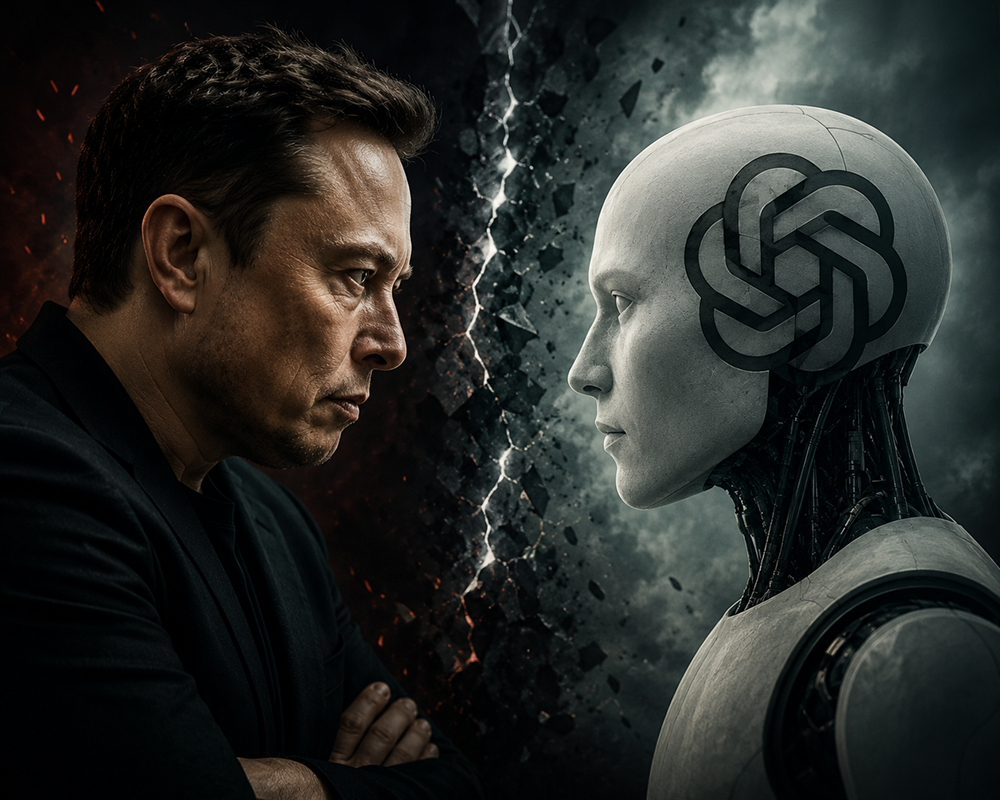
A federal jury in Oakland, California ruled against Elon Musk in his lawsuit against OpenAI, marking a significant legal victory for the artificial intelligence company and its leadership. The jury concluded that Musk brought the case too late, effectively rejecting claims that OpenAI abandoned its original nonprofit mission for improper financial gain.
The verdict arrives during a critical period for the global AI industry, where competition among major technology firms continues intensifying amid rapid growth in artificial intelligence infrastructure, commercial deployment, and investor interest. The legal dispute had become one of the most closely watched technology trials in Silicon Valley due to its potential implications for AI governance and corporate structure.
Jury Rejects Musk’s Claims Against OpenAI Leadership
Musk originally filed the lawsuit in 2024, accusing OpenAI Chief Executive Sam Altman, President Greg Brockman, and associated entities of violating the company’s founding principles. Musk argued that OpenAI improperly shifted from its original nonprofit mission into a highly profitable commercial enterprise backed by major corporate investments, including substantial funding from Microsoft.
The jury, however, unanimously ruled that Musk’s claims were barred by the statute of limitations after deliberating for less than two hours. U.S. District Judge Yvonne Gonzalez Rogers supported the decision and indicated there was substantial evidence supporting the jury’s conclusion.
The lawsuit sought more than $100 billion in damages and aimed to challenge OpenAI’s transition into a for-profit structure. Musk’s legal team argued that OpenAI leadership misrepresented the organization’s long-term intentions when Musk contributed approximately $38 million to help establish the company in 2015.
OpenAI countered by arguing that Musk was aware of discussions surrounding commercialization and external investment years earlier. Company lawyers also claimed that Musk’s motivations were tied partly to competitive pressures after launching his own AI venture, xAI.
AI Industry Stakes Continue Rising
The trial reflected broader tensions within the rapidly evolving artificial intelligence industry, where debates surrounding ethics, safety, commercialization, and corporate control continue intensifying. OpenAI has become one of the dominant players in global AI development following the widespread adoption of generative AI technologies.
OpenAI’s partnership with Microsoft has been a major driver behind its rapid expansion, with Microsoft reportedly investing more than $100 billion into the collaboration. The company is also reportedly preparing for a future public offering that could value the business near $1 trillion, according to several market reports.
Meanwhile, Musk has expanded his own artificial intelligence ambitions through xAI, which has increasingly positioned itself as a direct competitor to OpenAI in the race to develop advanced AI systems. The legal conflict between Musk and OpenAI therefore carried not only legal implications but also strategic significance for the broader AI market.
The trial additionally highlighted growing investor focus on how AI companies balance rapid commercialization with concerns surrounding transparency, governance, and long-term societal impact.
Technology Investors Monitor Regulatory and Competitive Risks
Financial markets continue closely watching the evolving competitive landscape surrounding artificial intelligence. AI-related companies have attracted massive capital inflows throughout the past two years as investors seek exposure to infrastructure providers, cloud computing firms, semiconductor manufacturers, and advanced software developers.
For Israeli investors and technology firms, developments surrounding OpenAI and Musk remain highly relevant due to Israel’s strong integration within the global AI ecosystem. Israeli startups and research institutions continue playing an important role in cybersecurity, machine learning, semiconductor design, and enterprise AI innovation.
At the same time, regulators globally are increasing scrutiny of AI development, competition practices, data usage, and corporate governance standards. The Musk-OpenAI legal battle intensified public debate regarding whether leading AI firms should prioritize public-interest objectives or commercial shareholder returns.
Market participants are also evaluating whether escalating competition between major AI developers could accelerate innovation while simultaneously increasing legal, regulatory, and operational risks across the sector.
Looking ahead, investors will continue monitoring OpenAI’s commercial expansion, potential IPO developments, and broader regulatory discussions surrounding artificial intelligence governance. Musk’s legal team indicated that an appeal remains possible, although legal experts suggest the ruling may prove difficult to overturn. As AI competition intensifies globally, future disputes involving intellectual property, market concentration, and corporate structure may continue shaping investor sentiment and strategic positioning throughout the technology sector.
Comparison, examination, and analysis between investment houses
Leave your details, and an expert from our team will get back to you as soon as possible
* This article, in whole or in part, does not contain any promise of investment returns, nor does it constitute professional advice to make investments in any particular field.
To read more about the full disclaimer, click here
- Ronny Mor
- •
- 7 Min Read
- •
- ago 6 hours
SKN | Why Is Apple Facing Growing Antitrust Pressure in India’s Expanding Smartphone Market?
Apple’s regulatory challenges are intensifying in one of its fastest-growing international markets after an Indian court instructed the company to
- ago 6 hours
- •
- 7 Min Read
Apple’s regulatory challenges are intensifying in one of its fastest-growing international markets after an Indian court instructed the company to

- omer bar
- •
- 7 Min Read
- •
- ago 13 hours
SKN | Is China’s CXMT Entering a New Growth Phase as Memory Chip Demand Accelerates?
China’s memory chip sector is entering a period of renewed growth momentum, with ChangXin Memory Technologies (CXMT) reportedly expecting a
- ago 13 hours
- •
- 7 Min Read
China’s memory chip sector is entering a period of renewed growth momentum, with ChangXin Memory Technologies (CXMT) reportedly expecting a

- sagi habasov
- •
- 7 Min Read
- •
- ago 17 hours
SKN | Samsung Resumes Wage Negotiations With Union as Strike Risks Continue to Shadow Chip Supply Chains
Samsung Electronics and its labor union in South Korea have resumed wage negotiations as the possibility of strike action continues
- ago 17 hours
- •
- 7 Min Read
Samsung Electronics and its labor union in South Korea have resumed wage negotiations as the possibility of strike action continues
- omer bar
- •
- 9 Min Read
- •
- ago 20 hours
SKN | Why Did AMD Buy Into Marvell During the AI Rally? Investors See a Bigger Semiconductor Shift Emerging
The artificial intelligence boom continues reshaping the semiconductor industry as major chipmakers race to secure strategic advantages across data center
- ago 20 hours
- •
- 9 Min Read
The artificial intelligence boom continues reshaping the semiconductor industry as major chipmakers race to secure strategic advantages across data center

