


- sagi habasov
- •
- 7 Min Read
- •
- 13 seconds ago
Key Points
- Samsung Electronics and its South Korean union have resumed pay negotiations while strike risks remain active
- Labor tensions are drawing investor attention due to Samsung’s central role in global semiconductor and electronics production
- The outcome of the talks could influence supply chain stability, production planning, and broader technology sector sentiment
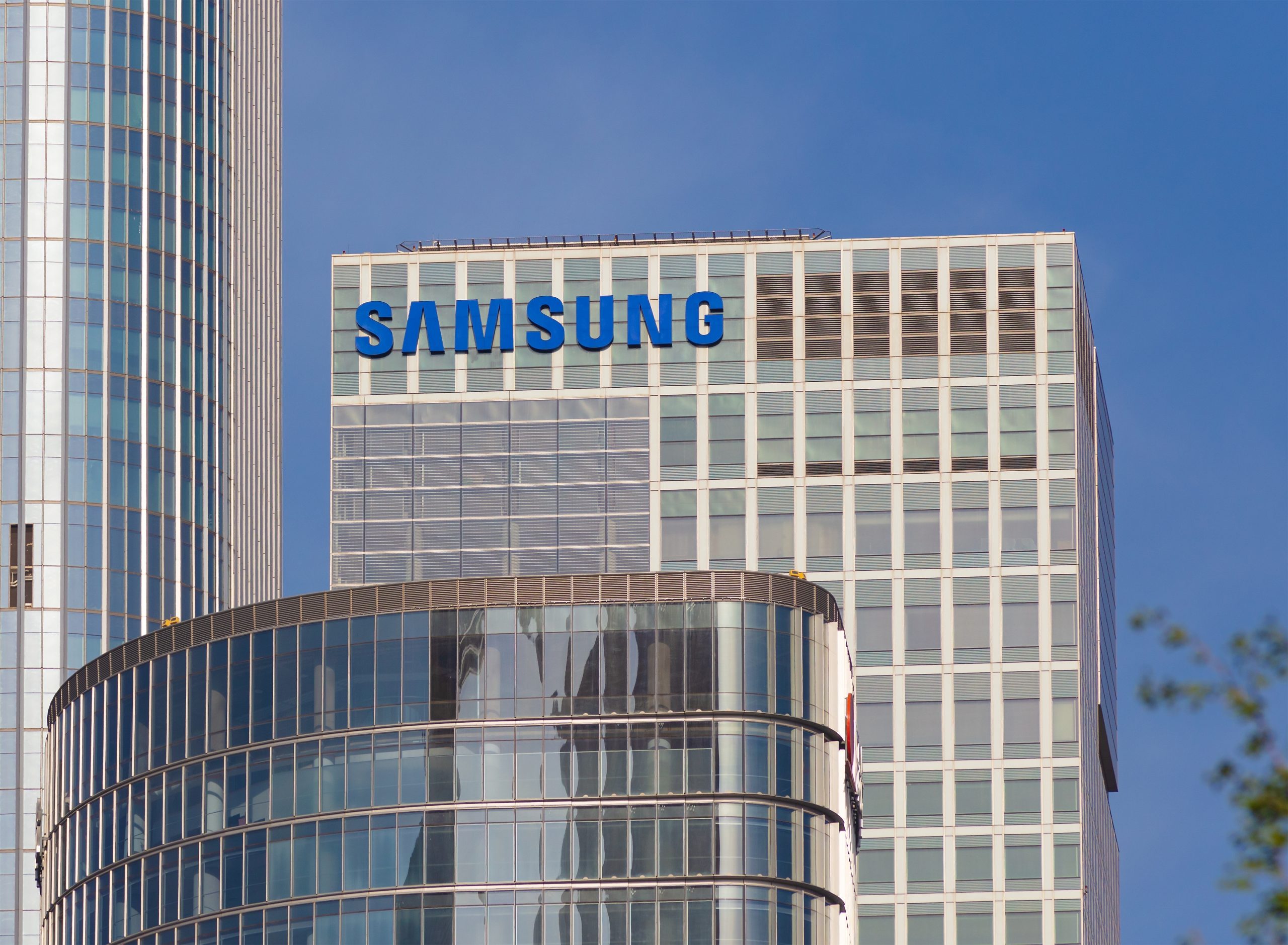
Samsung Electronics and its labor union in South Korea have resumed wage negotiations as the possibility of strike action continues to loom over one of the world’s largest technology manufacturers. The renewed discussions come at a critical period for the semiconductor industry, where artificial intelligence-driven demand, memory chip pricing recovery, and global supply chain resilience remain key themes for investors. The negotiations are being closely watched across financial markets due to Samsung’s strategic importance in global electronics manufacturing.
Renewed Negotiations Reflect Pressure to Avoid Operational Disruption
The decision to resume pay talks signals growing urgency on both sides to prevent a prolonged labor dispute that could disrupt manufacturing operations. Samsung’s semiconductor and electronics facilities play a major role in supplying memory chips, smartphones, displays, and other critical components used across global technology markets.
Labor disputes at large-scale chip manufacturers carry broader implications than traditional industrial conflicts because semiconductor production relies on highly integrated supply chains and precision manufacturing timelines. Even limited disruptions can affect shipment schedules, inventory management, and customer delivery commitments.
The union’s willingness to return to negotiations suggests there is still room for compromise, although the continued threat of strike action indicates that key disagreements regarding wages, bonuses, or working conditions remain unresolved.
Semiconductor Markets Remain Sensitive to Production Stability
The labor discussions come during a period of improving sentiment in parts of the semiconductor sector. Demand linked to artificial intelligence infrastructure and advanced computing has contributed to stronger pricing trends in memory chips, an area where Samsung remains a dominant global supplier.
Any operational instability at Samsung could therefore carry implications beyond the company itself. Semiconductor markets have become increasingly sensitive to production risks following years of supply chain disruptions caused by pandemic-era shortages, geopolitical tensions, and logistics constraints.
For institutional investors, labor-related uncertainty introduces an additional variable into assessments of production visibility and earnings stability. While no major supply interruptions have been confirmed, markets tend to react cautiously when operational continuity at strategically important manufacturers comes into question.
Israeli technology investors and institutions with exposure to global semiconductor equities are also monitoring developments closely, as changes in chip supply conditions can influence broader technology valuations and investment sentiment across international markets.
Corporate Governance and Labor Relations Under Investor Scrutiny
The negotiations also highlight broader governance and workforce management issues facing multinational technology firms. As competition for highly skilled labor intensifies within semiconductor and advanced manufacturing industries, employee relations are becoming increasingly important to long-term operational resilience.
Samsung has historically maintained a complex relationship with organized labor, and the current negotiations reflect shifting dynamics within South Korea’s corporate environment. Investors increasingly evaluate not only financial performance but also how large companies manage labor stability, workforce retention, and reputational risk.
The situation is particularly important because Samsung’s scale and market position mean that labor disruptions could influence sentiment across the broader Asian technology supply chain ecosystem.
Outlook: Markets Focus on Whether Talks Can Prevent Escalation
Looking ahead, investors will closely monitor whether resumed negotiations lead to a sustainable agreement capable of preventing strike escalation. The timing and tone of future union statements, as well as any operational guidance from Samsung, are likely to influence near-term market sentiment.
Risks include prolonged labor disputes affecting production schedules, tighter semiconductor supply conditions, and broader volatility across technology-related equities. On the positive side, a negotiated resolution could reinforce confidence in operational continuity just as parts of the semiconductor market show signs of cyclical recovery.
Overall, the renewed talks underscore how labor relations have become an increasingly important factor in assessing global technology manufacturing stability, particularly in industries where supply chain concentration leaves markets highly sensitive to production disruptions.
Comparison, examination, and analysis between investment houses
Leave your details, and an expert from our team will get back to you as soon as possible
* This article, in whole or in part, does not contain any promise of investment returns, nor does it constitute professional advice to make investments in any particular field.
To read more about the full disclaimer, click here
- omer bar
- •
- 9 Min Read
- •
- ago 3 hours
SKN | Why Did AMD Buy Into Marvell During the AI Rally? Investors See a Bigger Semiconductor Shift Emerging
The artificial intelligence boom continues reshaping the semiconductor industry as major chipmakers race to secure strategic advantages across data center
- ago 3 hours
- •
- 9 Min Read
The artificial intelligence boom continues reshaping the semiconductor industry as major chipmakers race to secure strategic advantages across data center
- omer bar
- •
- 8 Min Read
- •
- ago 7 hours
SKN | Can Nvidia Sustain the AI Rally as Bond Yields and Inflation Pressure Global Markets?
Global investors are entering a critical trading week as rising Treasury yields, persistent inflation concerns, and geopolitical uncertainty continue reshaping
- ago 7 hours
- •
- 8 Min Read

Global investors are entering a critical trading week as rising Treasury yields, persistent inflation concerns, and geopolitical uncertainty continue reshaping

- sagi habasov
- •
- 8 Min Read
- •
- ago 9 hours
SKN | Is Alibaba Becoming One of the Most Undervalued AI Stocks in Global Markets?
Artificial intelligence continues driving a historic wave of investment across global equity markets, but many of the sector’s leading companies
- ago 9 hours
- •
- 8 Min Read

Artificial intelligence continues driving a historic wave of investment across global equity markets, but many of the sector’s leading companies

- Lior mor
- •
- 9 Min Read
- •
- ago 2 days
SKN | Chip Stocks Fall as US-China Summit Ends Without Major Semiconductor Breakthroughs
Global semiconductor stocks moved lower after high-level talks between the United States and China ended without major agreements related
- ago 2 days
- •
- 9 Min Read

Global semiconductor stocks moved lower after high-level talks between the United States and China ended without major agreements related

