


- omer bar
- •
- 7 Min Read
- •
- 8 seconds ago
Key Points
- China’s CXMT is expecting a sharp increase in revenue driven by rising global memory chip demand
- The memory semiconductor market is benefiting from AI infrastructure expansion and data center investment
- Capacity expansion and pricing improvements are reshaping competitive dynamics in global chip supply chains
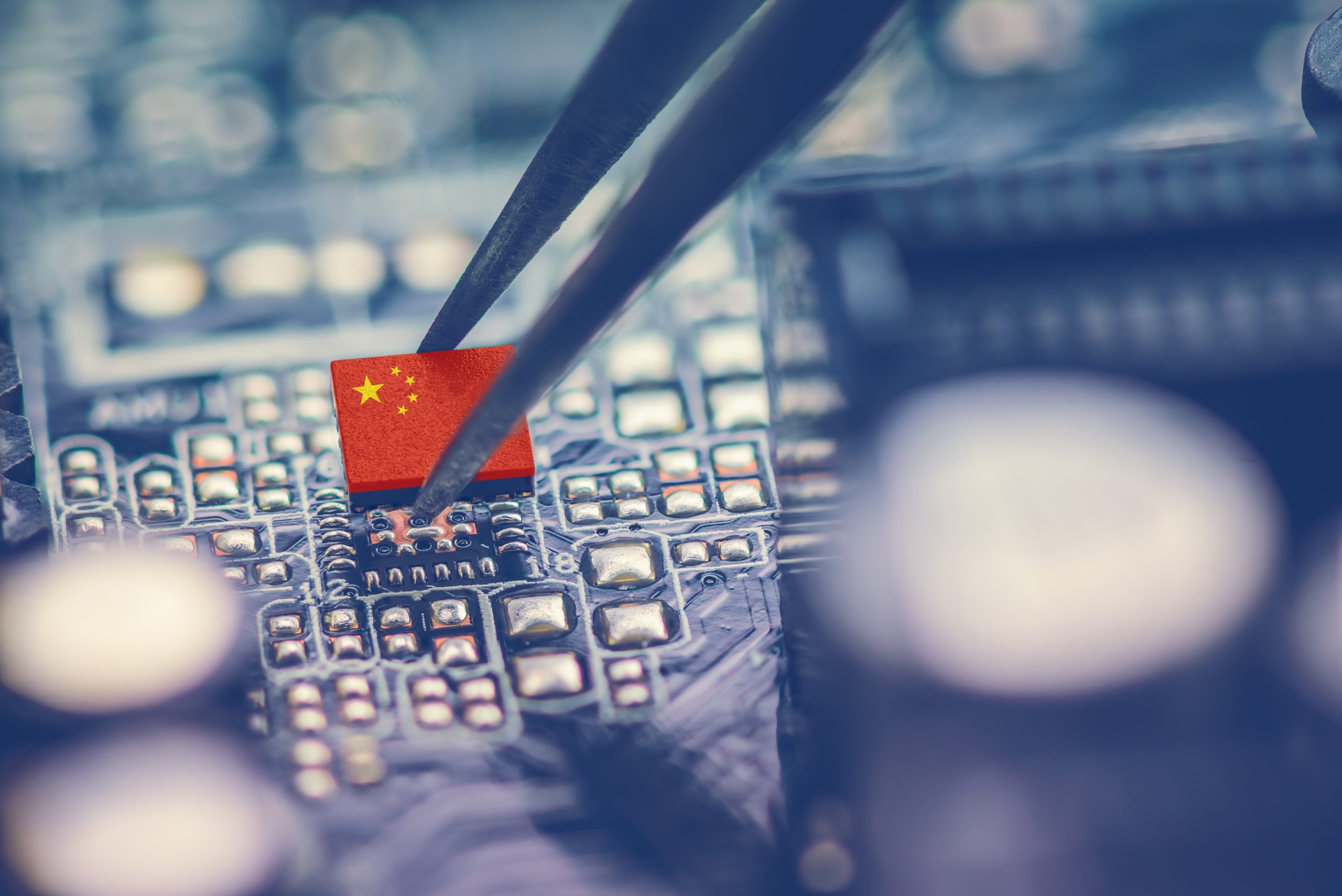
China’s memory chip sector is entering a period of renewed growth momentum, with ChangXin Memory Technologies (CXMT) reportedly expecting a significant surge in revenue as global demand for memory semiconductors strengthens. The development comes during a broader upcycle in the semiconductor industry, driven primarily by artificial intelligence infrastructure investment, data center expansion, and improving pricing conditions in key memory segments. For global investors, the trend highlights the increasing role of Chinese semiconductor producers in reshaping supply dynamics across the memory chip market.
Memory Chip Cycle Strengthens on AI and Data Demand
The global memory chip market has been recovering after a prolonged period of price declines, with demand now supported by rapid growth in AI-related computing infrastructure. High-bandwidth memory, DRAM, and NAND flash products are all benefiting from increased procurement by cloud service providers and semiconductor-intensive industries.
CXMT, as one of China’s leading DRAM manufacturers, is positioned to benefit from both domestic substitution policies and global demand recovery. The company’s revenue expectations reflect improving utilization rates and firmer pricing across memory product categories.
Industry analysts note that memory chips are among the most cyclical segments in semiconductors, with sharp swings in profitability depending on supply-demand balance. The current cycle is increasingly being supported by structural demand rather than purely short-term inventory adjustments.
China’s Semiconductor Strategy Strengthens Domestic Players
CXMT’s projected revenue growth also reflects broader policy-driven efforts in China to strengthen domestic semiconductor self-sufficiency. Government-backed investment and industrial policy support have accelerated capacity expansion across memory production facilities, reducing reliance on foreign suppliers.
This strategic push has intensified competition in the global memory market, particularly with established players in South Korea and the United States. While CXMT remains smaller in scale compared to global leaders, its expansion contributes to gradual shifts in supply diversification and pricing pressure dynamics.
At the same time, Chinese memory producers face technological and yield-efficiency gaps compared to leading global peers. However, continued investment in advanced manufacturing capabilities is narrowing some of these differences over time, particularly in mature DRAM nodes.
Market Implications for Global Semiconductor Equities
The strengthening outlook for CXMT and other memory producers is influencing broader sentiment across semiconductor equities. Memory pricing trends are a key driver of revenue volatility for major chip manufacturers, making the sector highly sensitive to supply-demand shifts.
For global investors, improving memory market conditions can support earnings recovery cycles for semiconductor firms exposed to DRAM and NAND pricing. At the same time, increased Chinese capacity adds a longer-term competitive factor that may limit pricing upside during future downturns.
Israeli institutional investors with exposure to global semiconductor equities are also monitoring these developments closely, given the sector’s influence on technology indices and AI-related investment themes.
Outlook: Memory Market Expansion Meets Structural Competition
Looking ahead, CXMT’s revenue trajectory will likely depend on the sustainability of AI-driven demand and the pace of global capacity expansion across memory producers. Continued growth in data center investment and advanced computing infrastructure could support further pricing stability in the near term.
However, risks remain tied to potential oversupply cycles, geopolitical restrictions on advanced semiconductor technology, and cyclical downturns in electronics demand. The balance between expanding global demand and rapidly increasing production capacity will be a key determinant of pricing direction.
Overall, CXMT’s expected revenue surge underscores how the memory chip market is transitioning into a structurally more competitive and demand-driven phase, with both opportunity and volatility shaping the sector’s outlook.
Comparison, examination, and analysis between investment houses
Leave your details, and an expert from our team will get back to you as soon as possible
* This article, in whole or in part, does not contain any promise of investment returns, nor does it constitute professional advice to make investments in any particular field.
To read more about the full disclaimer, click here
- sagi habasov
- •
- 7 Min Read
- •
- ago 3 hours
SKN | Samsung Resumes Wage Negotiations With Union as Strike Risks Continue to Shadow Chip Supply Chains
Samsung Electronics and its labor union in South Korea have resumed wage negotiations as the possibility of strike action continues
- ago 3 hours
- •
- 7 Min Read

Samsung Electronics and its labor union in South Korea have resumed wage negotiations as the possibility of strike action continues

- omer bar
- •
- 9 Min Read
- •
- ago 7 hours
SKN | Why Did AMD Buy Into Marvell During the AI Rally? Investors See a Bigger Semiconductor Shift Emerging
The artificial intelligence boom continues reshaping the semiconductor industry as major chipmakers race to secure strategic advantages across data center
- ago 7 hours
- •
- 9 Min Read
The artificial intelligence boom continues reshaping the semiconductor industry as major chipmakers race to secure strategic advantages across data center
- omer bar
- •
- 8 Min Read
- •
- ago 10 hours
SKN | Can Nvidia Sustain the AI Rally as Bond Yields and Inflation Pressure Global Markets?
Global investors are entering a critical trading week as rising Treasury yields, persistent inflation concerns, and geopolitical uncertainty continue reshaping
- ago 10 hours
- •
- 8 Min Read

Global investors are entering a critical trading week as rising Treasury yields, persistent inflation concerns, and geopolitical uncertainty continue reshaping
- sagi habasov
- •
- 8 Min Read
- •
- ago 13 hours
SKN | Is Alibaba Becoming One of the Most Undervalued AI Stocks in Global Markets?
Artificial intelligence continues driving a historic wave of investment across global equity markets, but many of the sector’s leading companies
- ago 13 hours
- •
- 8 Min Read

Artificial intelligence continues driving a historic wave of investment across global equity markets, but many of the sector’s leading companies

