




- Arik Arkadi Sluzki
- •
- 6 Min Read
- •
- 15 seconds ago


Key Points
- The U.S. dollar eased after reaching a seven-week high following the Federal Reserve’s rate increase and hawkish policy message.
- Falling Treasury yields and oil prices reduced some of the support behind the recent dollar rally.
- Markets shifted focus toward the Bank of Japan’s policy decision and potential changes in global interest-rate expectations.
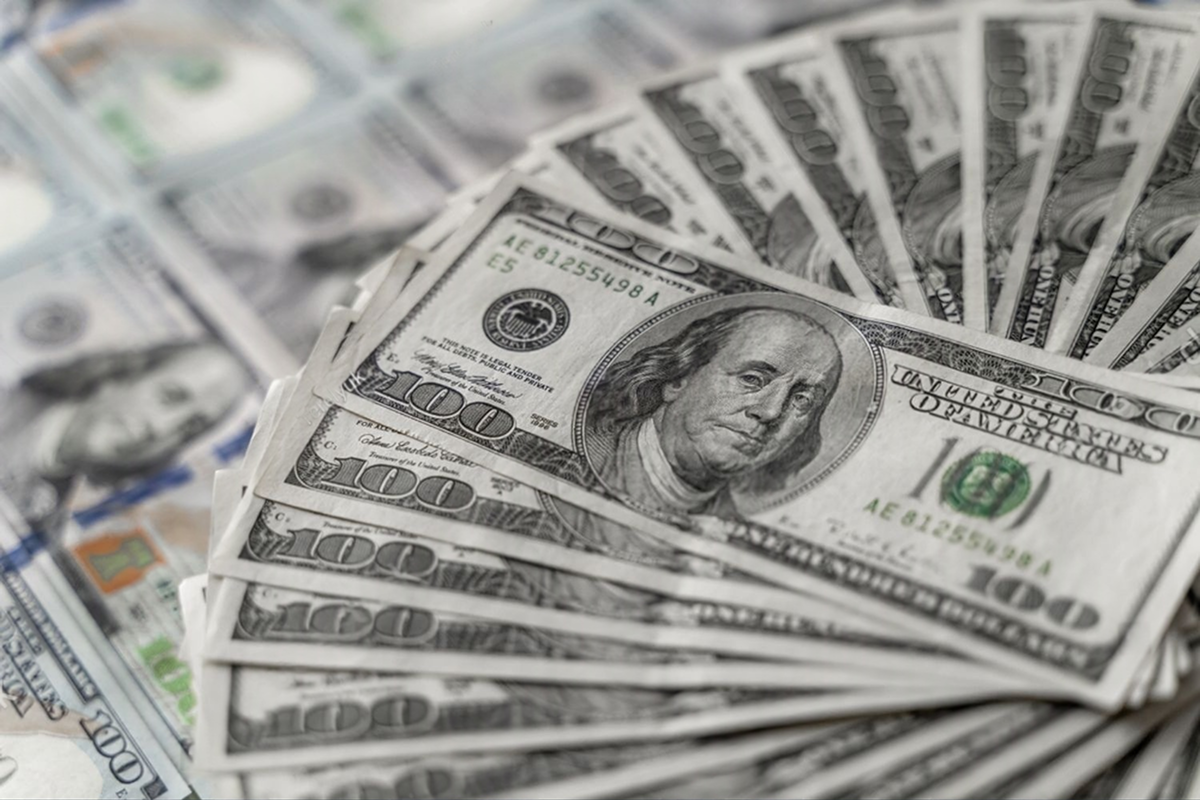
The U.S. dollar weakened on Thursday after a sharp advance driven by the Federal Reserve’s decision to raise interest rates and signal that additional tightening may be required. The move highlights how currency markets remain closely linked to expectations for central bank policy, bond yields and inflation pressures across major economies.
Fed Hawkish Message Drives Dollar Higher Before Pullback
The dollar index, which measures the currency against six major peers, fell 0.2% on Thursday to 100.07 after gaining 0.7% in the previous session. The earlier rally followed the Federal Reserve’s decision to increase interest rates for the first time since 2023, with policymakers emphasizing the need to continue addressing inflation that remains above the central bank’s target.
The Fed’s message reinforced expectations that U.S. monetary policy could remain restrictive for longer. Market participants interpreted the decision as a sign of continued commitment to inflation control, supporting demand for the dollar and pushing investors toward U.S. assets.
Marc Chandler, chief market strategist at Bannockburn Forex, noted that the dollar is currently moving closely with U.S. interest rates, reflecting the importance of yield differentials in determining currency movements.
Treasury Yields and Oil Prices Reduce Dollar Momentum
Although the dollar benefited from higher interest-rate expectations, some of that momentum faded as U.S. Treasury yields eased and oil prices declined. Lower bond yields can reduce the relative attractiveness of dollar-denominated assets, particularly when investors reassess the future path of monetary policy.
The recent rise in global bond yields has been one of the major drivers of currency markets. Investors have been adjusting positions as central banks balance persistent inflation risks with concerns about economic growth and financial conditions.
Oil prices have also played a role in recent market movements. A decline in energy prices reduced some inflation concerns that had contributed to expectations of tighter monetary policy, creating additional pressure on the dollar’s recent gains.
Global Central Banks Remain in Focus
Attention is now shifting toward the Bank of Japan, which is expected by markets to raise interest rates. Any policy adjustment from Tokyo could influence the yen and broader currency markets, particularly as Japan continues moving away from years of ultra-loose monetary policy.
The British pound also weakened after the Bank of England kept rates unchanged but indicated that future increases could still be considered if inflation pressures remain persistent. The differing approaches among central banks continue to create volatility in foreign exchange markets.
Currency Markets Watch the Next Policy Signals
The dollar’s recent movements reflect a broader market debate over how far central banks will need to go to control inflation. While the Federal Reserve has reinforced its inflation-fighting stance, investors are also evaluating whether higher rates could eventually weigh on economic activity.
Going forward, markets will monitor U.S. economic data, Treasury yield movements, energy prices and upcoming decisions from other major central banks. The balance between inflation risks, economic resilience and monetary policy expectations will remain a key factor influencing the direction of global currencies.
Comparison, examination, and analysis between investment houses
Leave your details, and an expert from our team will get back to you as soon as possible
* This article, in whole or in part, does not contain any promise of investment returns, nor does it constitute professional advice to make investments in any particular field.
To read more about the full disclaimer, click here
- sagi habasov
- •
- 6 Min Read
- •
- ago 10 seconds
SKN | EU Pushes for Bond Index Inclusion to Strengthen the Euro’s Global Role
The European Commission is seeking to strengthen the international position of the euro by encouraging the inclusion of European
- ago 10 seconds
- •
- 6 Min Read

The European Commission is seeking to strengthen the international position of the euro by encouraging the inclusion of European

- Lior mor
- •
- 6 Min Read
- •
- ago 1 hour
SKN | Has the U.S. Rate Outlook Shifted From Expected Cuts Toward a More Restrictive Path?
Rate Expectations Have Changed Since March Interest-rate expectations have undergone a significant reassessment during 2026. In March, the probability assigned
- ago 1 hour
- •
- 6 Min Read
Rate Expectations Have Changed Since March Interest-rate expectations have undergone a significant reassessment during 2026. In March, the probability assigned

- Arik Arkadi Sluzki
- •
- 8 Min Read
- •
- ago 2 hours
SKN | Rising Oil Prices and Bond Yields Push Global Markets Toward Stagflation Risks
Global financial markets are moving closer to a potentially difficult combination of higher inflation and slower economic growth as
- ago 2 hours
- •
- 8 Min Read

Global financial markets are moving closer to a potentially difficult combination of higher inflation and slower economic growth as

- omer bar
- •
- 7 Min Read
- •
- ago 2 hours
SKN | Fed’s Hawkish Turn Strengthens Inflation Credibility but Keeps Markets on Edge
The Federal Reserve's first interest-rate increase since 2023 has strengthened perceptions that the U.S. central bank is prepared to
- ago 2 hours
- •
- 7 Min Read
The Federal Reserve's first interest-rate increase since 2023 has strengthened perceptions that the U.S. central bank is prepared to
