




- Lior mor
- •
- 6 Min Read
- •
- 20 seconds ago


Key Points
- Market expectations for Federal Reserve policy have changed materially since March, when the probability of a 2026 rate hike was viewed as effectively zero.
- The latest probability distribution for the December 9, 2026 meeting places the largest probability, 38.3%, on a target range of 3.25%-3.50%, below the current 3.50%-3.75% range shown in the chart.
- The distribution highlights a market still focused primarily on rate cuts rather than an increase, while the broader inflation-and-growth environment remains central to the Fed's next decisions.
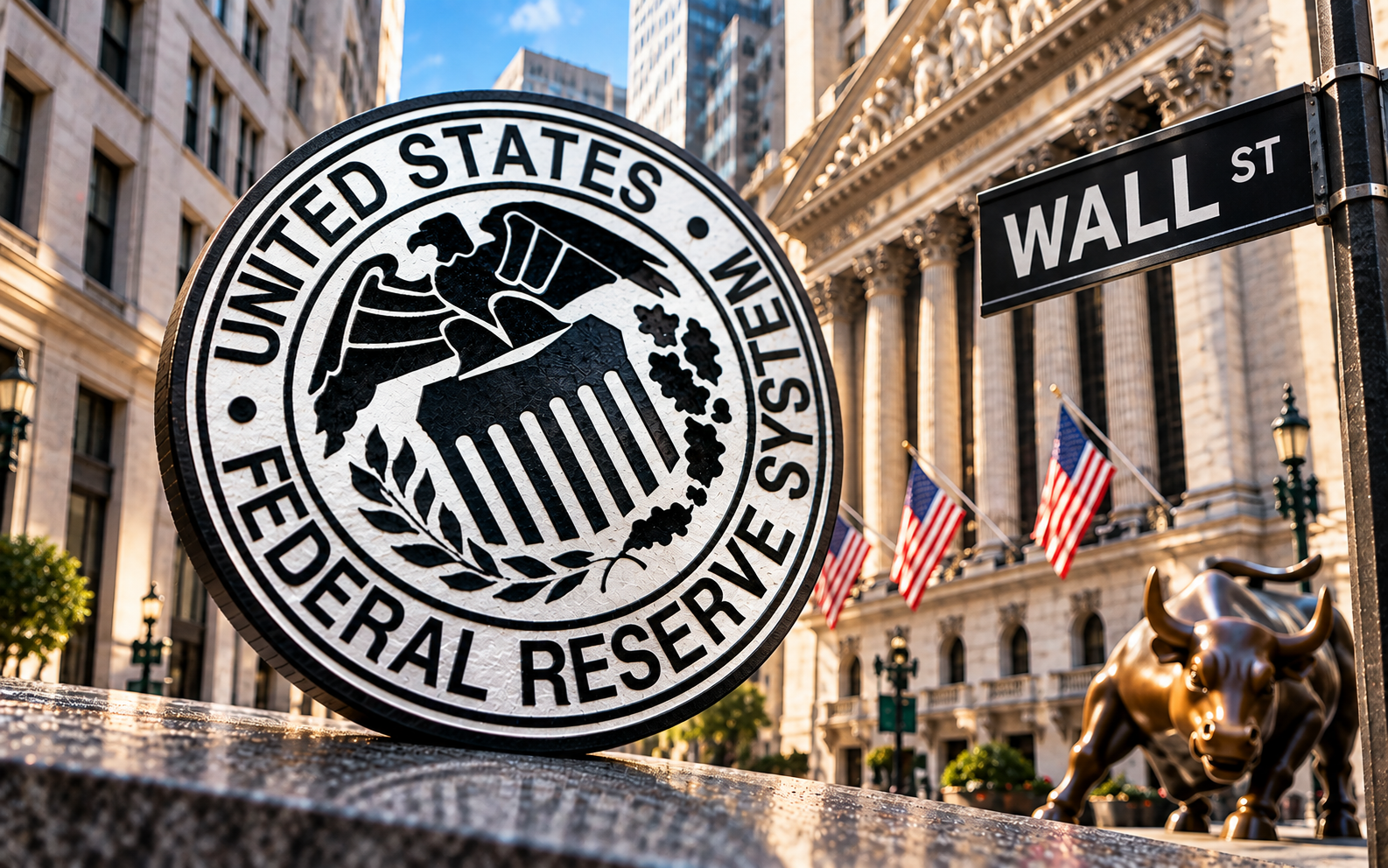
Rate Expectations Have Changed Since March
Interest-rate expectations have undergone a significant reassessment during 2026. In March, the probability assigned to a Federal Reserve rate hike later in the year was described as zero, reflecting a market largely focused on the possibility of monetary easing. The argument at the time was that persistent inflation combined with economic growth could make aggressive rate cuts difficult to justify.
The latest probability distribution provides a different perspective on the path ahead. With the current target range shown at 3.50%-3.75%, the market is assigning probabilities across several lower-rate scenarios for the December 9 meeting. The largest individual probability, 38.3%, is assigned to 3.25%-3.50%, while 27.6% is assigned to 3.00%-3.25%.
The Market Is Still Pricing Cuts, Not Hikes
The distribution shown in the chart is concentrated below the current policy range. A further reduction to 2.75%-3.00% carries a 10.2% probability, while 2.50%-2.75% carries 2.1%. The probability assigned to 2.25%-2.50% is just 0.2%.
At the same time, 21.6% is assigned to the 3.25%-3.50% range, depending on how the current and target ranges are interpreted in the displayed distribution. The important point is that the market is not pricing a rate increase in the scenarios shown. Instead, expectations remain centered around either a modest reduction or maintenance of a relatively restrictive policy rate.
This distinction matters for financial markets. Expectations about the future path of short-term interest rates influence Treasury yields, the dollar, mortgage costs, corporate financing and equity valuations. Even relatively small changes in probabilities can therefore produce significant adjustments across asset classes.
Inflation and Growth Remain the Key Policy Tension
The underlying economic environment remains critical to determining whether these expectations are realized. Persistent inflation can limit the Federal Reserve’s ability to reduce rates quickly, particularly if economic growth remains resilient. Conversely, weaker employment or economic activity could increase pressure for additional monetary accommodation.
This creates a difficult balance for policymakers. Cutting rates too quickly while inflation remains persistent could risk prolonging price pressures, while maintaining restrictive policy for too long could increase the strain on interest-sensitive sectors of the economy.
For investors in the U.S. and Israel, the most important signal may therefore be the direction of expectations rather than any single probability. The latest distribution shows markets continuing to assign greater probability to lower rates than to higher rates for the December meeting. Going forward, inflation data, employment conditions and economic growth will determine whether expectations move further toward easing or return toward a more restrictive policy outlook. The next repricing could have significant consequences for bonds, equities, currencies and credit markets.
Comparison, examination, and analysis between investment houses
Leave your details, and an expert from our team will get back to you as soon as possible
* This article, in whole or in part, does not contain any promise of investment returns, nor does it constitute professional advice to make investments in any particular field.
To read more about the full disclaimer, click here
- Arik Arkadi Sluzki
- •
- 8 Min Read
- •
- ago 40 minutes
SKN | Rising Oil Prices and Bond Yields Push Global Markets Toward Stagflation Risks
Global financial markets are moving closer to a potentially difficult combination of higher inflation and slower economic growth as
- ago 40 minutes
- •
- 8 Min Read

Global financial markets are moving closer to a potentially difficult combination of higher inflation and slower economic growth as

- omer bar
- •
- 6 Min Read
- •
- ago 16 hours
SKN | Jamie Dimon Warns Inflation May Not Be Defeated as Fed Raises Rates
JPMorgan CEO Jamie Dimon is warning that the battle against U.S. inflation may not yet be over, adding another layer
- ago 16 hours
- •
- 6 Min Read

JPMorgan CEO Jamie Dimon is warning that the battle against U.S. inflation may not yet be over, adding another layer
- omer bar
- •
- 7 Min Read
- •
- ago 19 hours
SKN | Wall Street Ends Lower as Fed Raises Rates and Signals Further Tightening
U.S. stocks ended lower on September 16 after the Federal Reserve raised interest rates for the first time in
- ago 19 hours
- •
- 7 Min Read

U.S. stocks ended lower on September 16 after the Federal Reserve raised interest rates for the first time in

- Ronny Mor
- •
- 6 Min Read
- •
- ago 22 hours
SKN | Could Another Fed Rate Hike Keep Inflation and Markets Under Pressure?
The Fed Returns to Rate Hikes The Federal Reserve has resumed raising interest rates, lifting the federal funds target range
- ago 22 hours
- •
- 6 Min Read
The Fed Returns to Rate Hikes The Federal Reserve has resumed raising interest rates, lifting the federal funds target range
