




- omer bar
- •
- 7 Min Read
- •
- 17 seconds ago


Key Points
- The Federal Reserve raised its policy rate by 25 basis points to 3.75%–4.00%, its first increase since 2023, in response to persistently elevated inflation.
- The unanimous rate decision and projections for another increase this year reinforced expectations for a more restrictive monetary-policy path.
- Markets now face greater uncertainty around the next move, with futures indicating roughly even odds of an October rate hike just before the U.S. midterm elections.
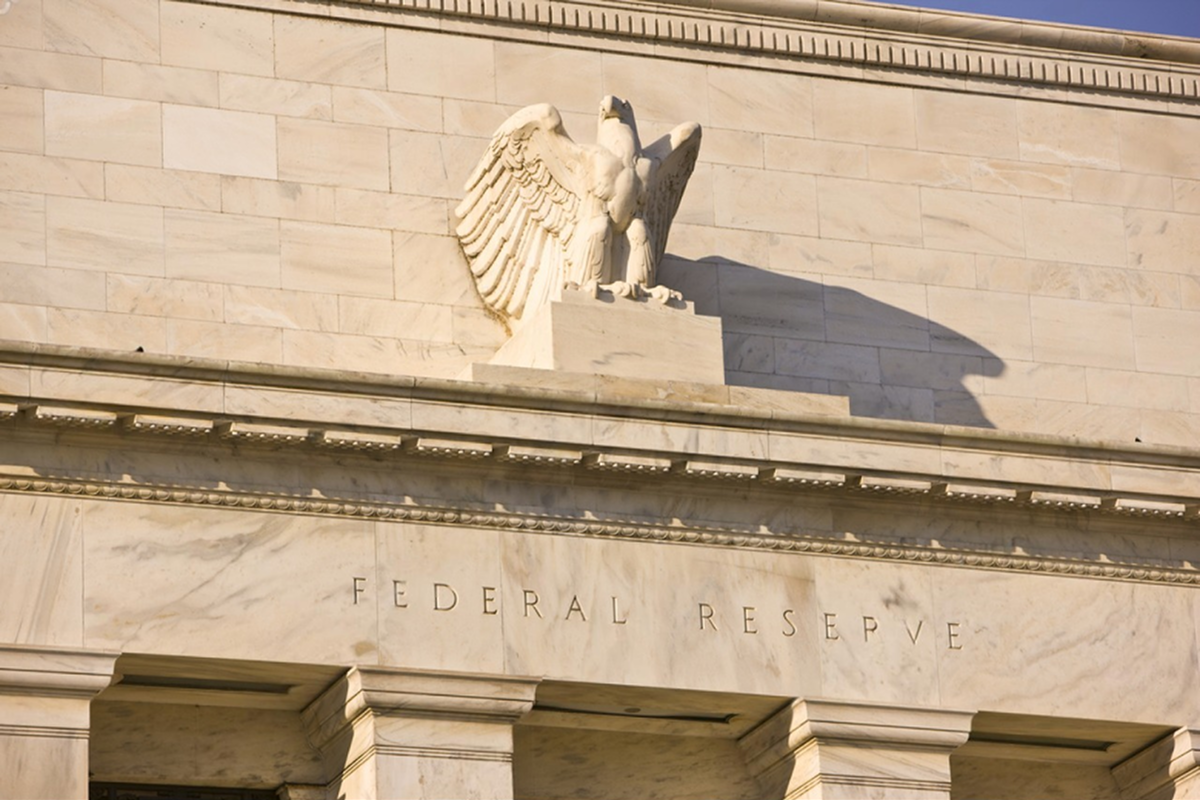
The Federal Reserve’s first interest-rate increase since 2023 has strengthened perceptions that the U.S. central bank is prepared to prioritize inflation control, but its more hawkish stance has also introduced greater uncertainty for financial markets. The unanimous decision lifted the benchmark rate to 3.75%–4.00%, while policymakers’ projections pointed to another possible increase before the end of 2026.
Unanimous Decision Sends a Hawkish Signal
The quarter-point increase was broadly expected, but the unanimous vote drew particular attention from investors. At the previous meeting in July, policymakers had voted 9 to 3 to keep rates unchanged, making the latest decision a notable shift in the policy signal. Reuters reported that investors interpreted the unanimous move as evidence that policymakers had become more aligned around the need to contain inflation.
The Fed’s projections also indicated that 16 of 18 officials expected at least one additional quarter-point increase by the end of 2026. The shift matters because markets had entered the year expecting an easing cycle, but energy-market disruptions and persistent inflation subsequently altered the policy outlook. The latest core Personal Consumption Expenditures inflation reading stood at 3.3% annually, well above the Fed’s 2% target.
Bond Markets Begin to Adjust to Higher Rates
The policy decision initially pushed Treasury yields higher, but longer-dated yields subsequently retreated. The benchmark 10-year Treasury yield, which had moved above 5% following the decision, was around 4.95% on Thursday, while the 30-year yield stood near 5.30%. The decline suggests that some investors viewed the Fed’s action as strengthening its credibility on inflation even as the immediate rate path remains uncertain.
That distinction is important for global financial conditions. Higher short-term rates can increase borrowing costs for households and companies, while elevated long-term Treasury yields influence corporate debt pricing, mortgages and international capital flows. For investors with exposure to Israeli assets, changes in U.S. yields can also affect currency markets and the relative attractiveness of dollar-denominated fixed-income securities.
October Meeting Becomes a New Market Focus
Attention is already turning to the Fed’s next meeting. Futures markets late Wednesday indicated roughly a 50% probability of another rate increase in October, with the meeting scheduled shortly before the U.S. midterm elections. Additional increases are also being priced into expectations for 2027, although the exact path will depend on incoming inflation, employment and growth data.
The uncertainty is heightened by Chair Kevin Warsh’s reluctance to provide detailed forward guidance. His approach gives policymakers greater flexibility as economic conditions evolve, but it can also leave investors more sensitive to individual inflation releases and economic indicators. Reuters reported that his recent comments and the latest inflation data had already increased expectations for a more restrictive policy path.
Higher Rates Create a Broader Asset-Market Challenge
The implications extend beyond government bonds. Higher interest rates can weigh on rate-sensitive assets such as small-cap stocks, while increasing financing costs for businesses and consumers. At the same time, a credible inflation-fighting stance can reduce the risk that inflation expectations become entrenched, potentially supporting longer-term financial stability.
Thursday’s market response showed that investors were not necessarily treating the Fed decision as a signal of immediate economic deterioration. Global stocks rebounded as Treasury yields eased, with the S&P 500 gaining 0.96% and the Nasdaq rising 1.48% during the session.
Going forward, inflation data, Treasury yields, employment conditions and the October rate outlook will remain central to market direction. The key question is whether the Fed’s renewed tightening proves sufficient to bring inflation toward 2% without materially weakening economic activity. Any renewed acceleration in prices could strengthen expectations for further hikes, while softer economic data could challenge the market’s current assessment of how far the tightening cycle ultimately needs to go.
Comparison, examination, and analysis between investment houses
Leave your details, and an expert from our team will get back to you as soon as possible
* This article, in whole or in part, does not contain any promise of investment returns, nor does it constitute professional advice to make investments in any particular field.
To read more about the full disclaimer, click here
- orshu
- •
- 6 Min Read
- •
- ago 53 minutes
SKN | Tel Aviv Stocks Extend Rebound as TA-35 Gains 1.02% and Turnover Surges
Tel Aviv Market Extends Recovery Tel Aviv equities closed higher on September 17, 2026, extending the rebound that began in
- ago 53 minutes
- •
- 6 Min Read

Tel Aviv Market Extends Recovery Tel Aviv equities closed higher on September 17, 2026, extending the rebound that began in
- orshu
- •
- 6 Min Read
- •
- ago 1 hour
SKN | European Markets Close Higher as FTSE 100 Leads Broad Regional Advance
European markets closed September 17 on a broadly positive note, with all major equity benchmarks in the provided snapshot
- ago 1 hour
- •
- 6 Min Read

European markets closed September 17 on a broadly positive note, with all major equity benchmarks in the provided snapshot

- omer bar
- •
- 5 Min Read
- •
- ago 2 hours
SKN | Could Falling Treasury Yields Signal a Shift in U.S. Rate Expectations?
Treasury Yields Retreat After Fed Decision U.S. Treasury yields moved lower on September 17 after the Federal Reserve delivered a
- ago 2 hours
- •
- 5 Min Read

Treasury Yields Retreat After Fed Decision U.S. Treasury yields moved lower on September 17 after the Federal Reserve delivered a

- Ronny Mor
- •
- 6 Min Read
- •
- ago 3 hours
SKN | Wall Street Volatility: Markets React to Fed Rate Decision and Macro Outlook
U.S. equity markets delivered a highly volatile trading session today, reflecting Wall Street’s immediate attempt to process the Federal
- ago 3 hours
- •
- 6 Min Read

U.S. equity markets delivered a highly volatile trading session today, reflecting Wall Street’s immediate attempt to process the Federal
