




- omer bar
- •
- 6 Min Read
- •
- 17 hours ago


Key Points
- The U.S. dollar reached an 18-month high after stronger-than-expected September inflation briefly revived expectations for another Federal Reserve rate hike.
- Higher gasoline costs contributed to the acceleration in U.S. consumer prices, adding to concerns over persistent inflation.
- The dollar later pulled back as investors returned to expectations that the Fed will remain patient on monetary policy.
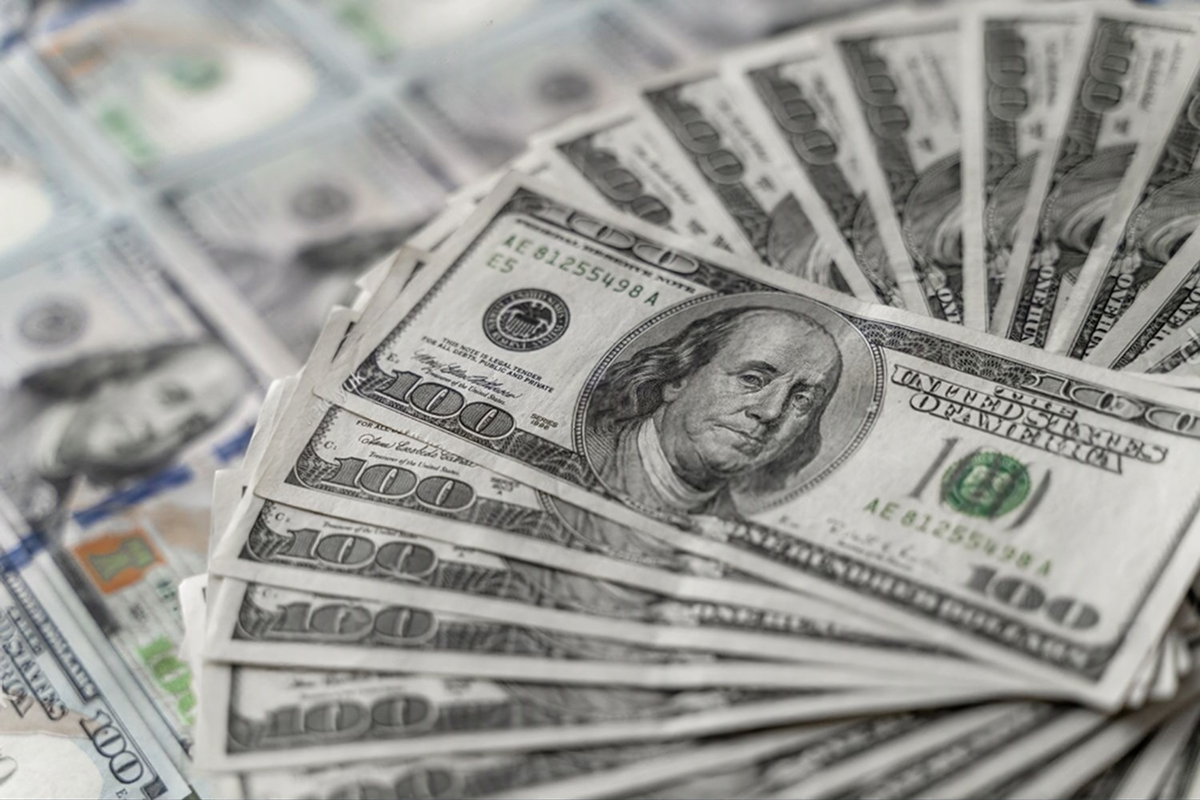
The U.S. dollar reached an 18-month high on Wednesday after hotter-than-expected inflation data temporarily strengthened expectations for a Federal Reserve interest-rate increase later this month. The currency subsequently retreated as investors reassessed the implications of the data and returned to expectations that policymakers may remain patient despite renewed price pressures.
Inflation Delivers a Fresh Boost to the Dollar
The dollar’s initial advance followed data from the U.S. Labor Department’s Bureau of Labor Statistics showing that consumer prices rose sharply in September. Gasoline costs surged during the month, contributing to the acceleration and providing a fresh source of concern for financial markets already focused on the direction of U.S. monetary policy.
Higher inflation can influence currency markets by changing expectations for interest rates. If investors anticipate that the Federal Reserve will need to maintain restrictive policy for longer, or potentially raise rates, the relative attractiveness of dollar-denominated assets can increase. That dynamic helped push the U.S. currency to its highest level in 18 months following the inflation release.
Fed Expectations Remain the Central Market Driver
The dollar’s subsequent retreat illustrated how quickly currency markets can adjust when traders reassess the significance of economic data. While the September inflation figures revived October rate-hike bets, investors ultimately returned to expectations that the Federal Reserve would approach its next policy decision cautiously.
The latest Beige Book added another element to the debate, with the Fed’s regional survey indicating that inflation pressures were picking up across parts of the country. The combination of official consumer-price data and business observations creates a more complicated policy environment, particularly as policymakers must weigh price pressures against broader economic conditions.
Euro Weakens as Sterling Gains Ground
The dollar’s movement also shaped trading in other major currencies. The euro dipped against the dollar, while it reached a 16-month low against sterling, according to the Reuters report. These moves reflect the broader sensitivity of major currency pairs to changing expectations for interest rates and relative economic conditions.
For global investors, movements in the dollar are particularly important because currency shifts can influence international asset valuations, cross-border capital flows and the cost of commodities denominated in U.S. currency. The latest volatility demonstrates that even a temporary change in expectations for U.S. monetary policy can have broad effects across financial markets.
Markets Await Further Signals From the Fed
The next stage for the dollar will depend heavily on whether inflationary pressures remain elevated and how Federal Reserve officials interpret the latest data. Fed speakers and incoming economic indicators will therefore remain closely watched as markets assess the probability of another rate increase.
For investors in Israel and other global markets, the direction of the dollar will remain an important variable alongside U.S. interest rates and Treasury yields. A sustained inflation resurgence could strengthen expectations for tighter monetary policy and provide additional support to the dollar, while evidence that price pressures are temporary could reinforce the case for patience. The balance between inflation, monetary policy expectations and currency-market positioning will remain central to the dollar’s outlook in the weeks ahead.
Comparison, examination, and analysis between investment houses
Leave your details, and an expert from our team will get back to you as soon as possible
* This article, in whole or in part, does not contain any promise of investment returns, nor does it constitute professional advice to make investments in any particular field.
To read more about the full disclaimer, click here
- omer bar
- •
- 8 Min Read
- •
- ago 2 hours
SKN | U.S. Treasury Pushes Back Against IMF Debt Warning as Federal Borrowing Exceeds $40 Trillion
Treasury Pushes Back Against IMF's Fiscal Warning The U.S. Treasury has challenged the International Monetary Fund's warnings about the country's
- ago 2 hours
- •
- 8 Min Read
Treasury Pushes Back Against IMF's Fiscal Warning The U.S. Treasury has challenged the International Monetary Fund's warnings about the country's

- Ronny Mor
- •
- 6 Min Read
- •
- ago 17 hours
SKN | U.S. Banks See Bond Trading Weaken as Interest Rate Volatility Disrupts Markets
A sharp selloff across global bond markets has begun to affect Wall Street bank earnings, with several major institutions
- ago 17 hours
- •
- 6 Min Read
A sharp selloff across global bond markets has begun to affect Wall Street bank earnings, with several major institutions
- Ronny Mor
- •
- 6 Min Read
- •
- ago 18 hours
SKN | Fed Beige Book Signals Intensifying Price Pressures as Fuel Costs Rise
The U.S. economy is showing a difficult combination of persistent inflation pressures and limited labor-market movement, according to the
- ago 18 hours
- •
- 6 Min Read
The U.S. economy is showing a difficult combination of persistent inflation pressures and limited labor-market movement, according to the

- sagi habasov
- •
- 6 Min Read
- •
- ago 18 hours
SKN | Nasdaq Falls Sharply as Hotter U.S. Inflation Revives Federal Reserve Rate-Hike Fears
U.S. stocks ended sharply lower on Wednesday as hotter-than-expected September inflation altered expectations for the Federal Reserve’s interest-rate path.
- ago 18 hours
- •
- 6 Min Read

U.S. stocks ended sharply lower on Wednesday as hotter-than-expected September inflation altered expectations for the Federal Reserve’s interest-rate path.
