




- orshu
- •
- 7 Min Read
- •
- 46 seconds ago


Key Points
- Brent crude futures dropped over 11% this week toward $98 to $100 per barrel as prolonged high fuel prices triggered global demand destruction, allowing localized physical gluts to re-emerge.
- Non-OPEC output growth and a swift rebound in Persian Gulf tanker flows coincided with a 2.5 million barrel-per-day contraction in fourth-quarter consumption forecasts.
- For international allocators and Israeli energy portfolios, emerging surplus signals relieve headline inflation pressures while forcing a reassessment of upstream exploration valuations.
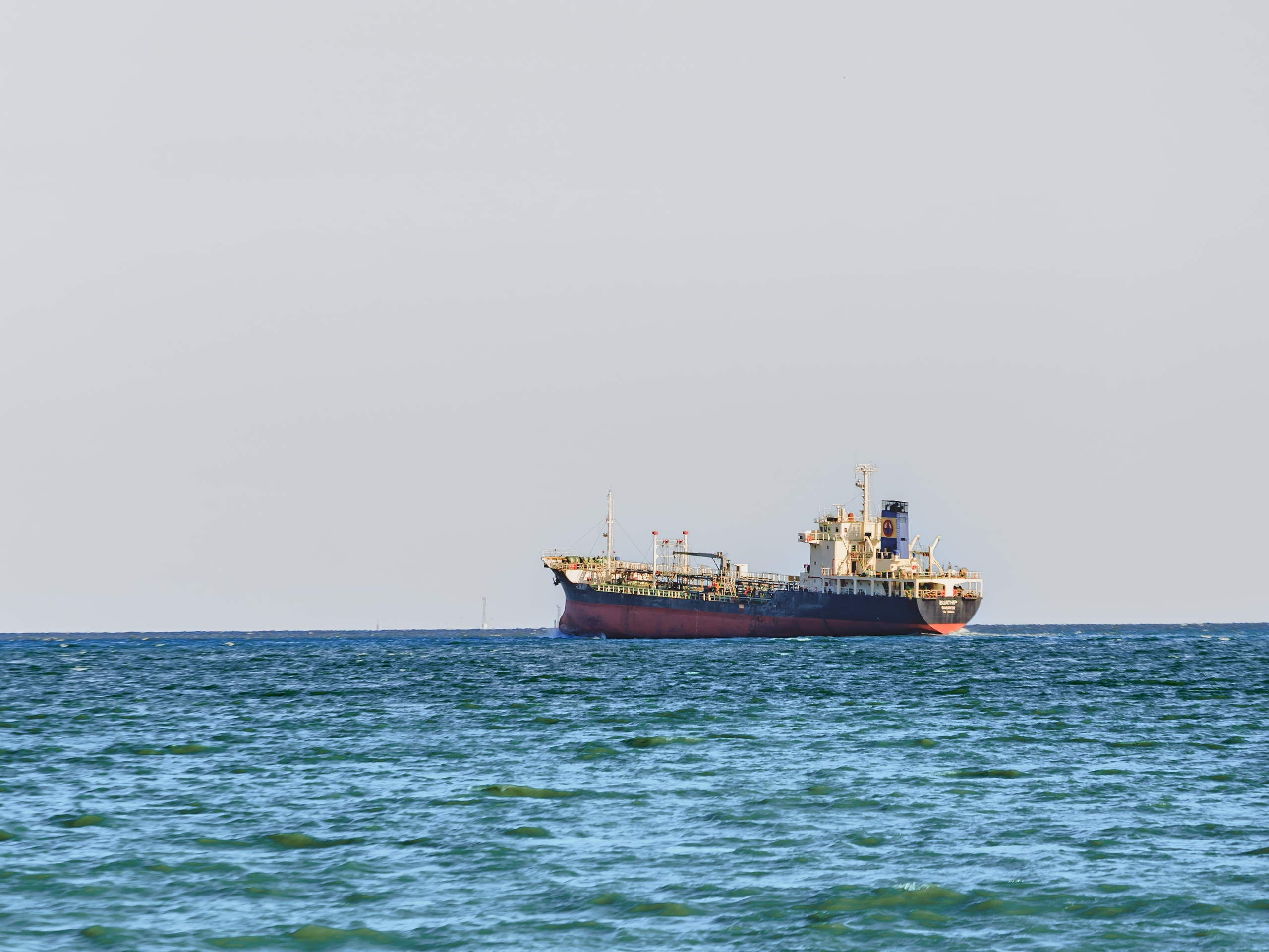
Global energy markets are confronting an abrupt structural pivot as months of elevated oil prices take a visible toll on worldwide petroleum consumption, allowing physical surplus conditions to emerge across key refining hubs. Brent crude benchmark futures sank more than 11% this week toward the $98-to-$100-per-barrel threshold, unwinding a protracted geopolitical risk premium as commercial buyers pushed back against unsustainable refined product margins. The rapid cooling underscores growing institutional recognition that demand destruction, paired with rebounding Gulf exports and record non-OPEC production, is steering the global oil balance toward a persistent supply overhang heading into 2027.
Demand Destruction Collides With Resilient Physical Production
The primary catalyst driving crude’s rapid retreat is an aggressive pullback in end-user fuel consumption across major importing economies. Following months of Brent hovering above $115 per barrel, retail diesel and gasoline prices reached multi-year highs, prompting industrial consumers and commercial freight operators to curtail activity. The International Energy Agency revised its fourth-quarter global oil demand projection down by 2.5 million barrels per day (mb/d) year-on-year, citing acute demand erosion across Europe and emerging Asia. At the same time, refiners in Singapore and Northwest Europe have slashed run rates to seasonal lows, unable to pass elevated crude acquisition costs onto price-sensitive end consumers.
While consumption has softened, aggregate supply has recovered more swiftly than market consensus had modeled. Non-OPEC+ basin production—led by the United States, Guyana, and Brazil—expanded by more than 1.4 mb/d over the past year, while Persian Gulf maritime exports have largely normalized toward pre-disruption levels despite elevated insurance premiums. Furthermore, commercial inventories on water have accumulated significantly, creating a physical buffer that prevents immediate spot shortages from translating into price spikes. The collision of stagnant refinery intake and resilient wellhead supply is rapidly flattening the Brent forward curve, threatening to tip front-month contracts into contango.
Macro Disinflation and Cross-Asset Implications for Israeli Portfolios
The emerging crude surplus carries profound macroeconomic ramifications for global asset allocators and Israeli financial markets. Easing energy benchmarks provide direct relief to headline global inflation prints, blunting the 67-month inflationary streak in the U.S. and granting major central banks greater latitude to temper hawkish rhetoric. For the Bank of Israel, lower imported energy expenditures stabilize the New Israeli Shekel (NIS) near 3.14 per dollar and ease domestic consumer price pressures, helping anchor domestic purchasing power amid ongoing defense and infrastructure spending.
On the Tel Aviv Stock Exchange (TASE), domestic energy conglomerates and institutional pension desks are actively repositioning. While falling crude benchmarks reduce the immediate revenue yields of upstream exploration and production operators, domestic industrial consumers, chemical producers, and logistics enterprises benefit directly from compressed transport and utility overhead. Israeli institutional allocators are responding by reallocating capital away from cyclical energy commodities and into interest-rate-sensitive growth assets, maintaining a disciplined weighting in sovereign bonds (Shahar) as terminal bond yield expectations soften in tandem with petroleum prices.
Outlook: OPEC+ Compliance, Refined Product Draws, and Diplomatic Windows
Moving into the final weeks of 2026, market participants will monitor whether OPEC+ ministers respond to emerging inventory builds by enforcing stricter production quotas or extending compensatory output curbs. Critical metrics to watch include weekly EIA inventory builds in the United States, diesel crack spreads in Northwest Europe, and diplomatic developments regarding maritime security in the Persian Gulf following the U.S. midterm elections. Should global inventory accumulation accelerate into the first quarter of 2027, crude benchmarks could decisively breach support below $95 per barrel; conversely, fresh supply bottlenecks or unexpected winter weather draws could temporarily interrupt the market’s descent into a structural glut.
Comparison, examination, and analysis between investment houses
Leave your details, and an expert from our team will get back to you as soon as possible
* This article, in whole or in part, does not contain any promise of investment returns, nor does it constitute professional advice to make investments in any particular field.
To read more about the full disclaimer, click here
- Lior mor
- •
- 7 Min Read
- •
- ago 14 hours
SKN | Gold Reaches Two-Week High as Dollar and Treasury Yields Weaken
Gold Extends Gains Following US Midterm Elections Gold prices climbed to a more than two-week high on Thursday, extending a
- ago 14 hours
- •
- 7 Min Read

Gold Extends Gains Following US Midterm Elections Gold prices climbed to a more than two-week high on Thursday, extending a

- orshu
- •
- 7 Min Read
- •
- ago 2 days
SKN | Gold Firms as Energy Slump Deflates Inflation Bets: Will U.S. Midterm Results Spark a Bullion Breakout?
Spot gold traded with a firm tone on Wednesday morning, November 4, 2026, holding near $3,940 per troy ounce as
- ago 2 days
- •
- 7 Min Read

Spot gold traded with a firm tone on Wednesday morning, November 4, 2026, holding near $3,940 per troy ounce as

- Ronny Mor
- •
- 7 Min Read
- •
- ago 2 days
SKN | Iran Deploys Asymmetric Guerrilla Tactics in Hormuz: Can Naval Interventions Break the Chokepoint Stranglehold?
Iran has intensified an asymmetric guerrilla campaign across the Strait of Hormuz, turning to covert maritime tactics to disrupt commercial
- ago 2 days
- •
- 7 Min Read

Iran has intensified an asymmetric guerrilla campaign across the Strait of Hormuz, turning to covert maritime tactics to disrupt commercial

- omer bar
- •
- 6 Min Read
- •
- ago 3 days
SKN | Gold Holds Near $3,950 as US-Iran Diplomatic Progress Eases Inflation Concerns
Gold Recovers as Oil Prices Decline Gold prices stabilized near $3,950 per ounce on Tuesday after rising almost 2% during
- ago 3 days
- •
- 6 Min Read

Gold Recovers as Oil Prices Decline Gold prices stabilized near $3,950 per ounce on Tuesday after rising almost 2% during
