




- Ronny Mor
- •
- 7 Min Read
- •
- 3 hours ago


Key Points
- Iran has shifted toward aggressive maritime guerrilla tactics in the Strait of Hormuz, deploying underwater explosive sea drones, naval limpet mines, and fast-attack swarm craft to enforce operational control over critical oil transit lanes.
- The asymmetric campaign escalated after three commercial tankers caught fire from naval mines, following defensive U.S. strikes on Iranian coastal missile batteries on Qeshm Island.
- For international allocators and Israeli financial desks, the weaponization of unconventional maritime warfare embeds a structural war-risk premium across energy benchmarks and reignites stagflationary concerns.
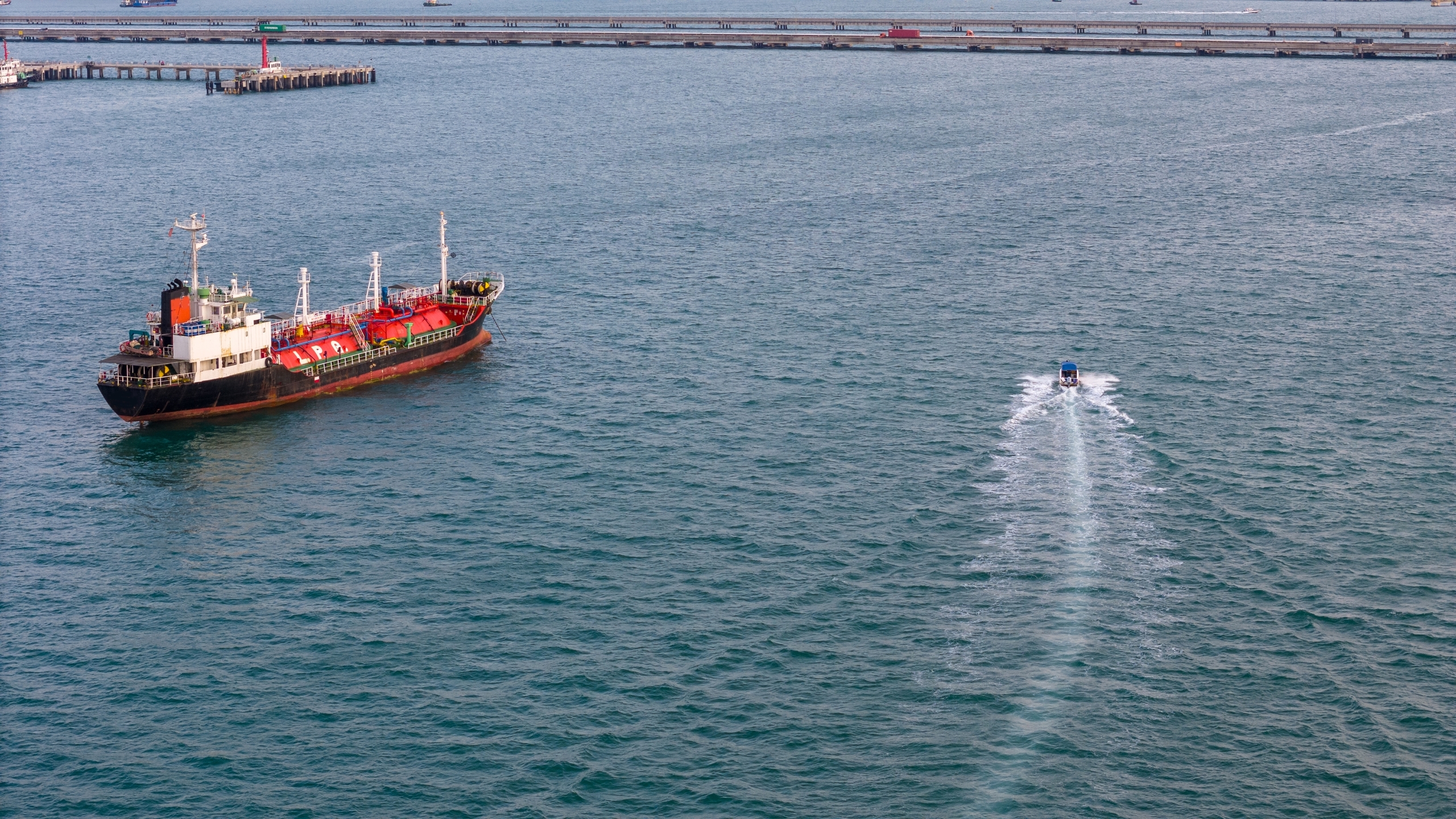
Iran has intensified an asymmetric guerrilla campaign across the Strait of Hormuz, turning to covert maritime tactics to disrupt commercial shipping and reassert leverage over the world’s most critical energy chokepoint. In response to targeted international naval deterrence—including recent U.S. kinetic strikes against Islamic Revolutionary Guard Corps (IRGC) coastal missile sites on Qeshm Island—Tehran has increasingly relied on low-signature underwater sea drones, indiscriminate minefields, and decentralized fast-boat skirmishes. The tactical shift marks an volatile new phase in the regional standoff, leaving global commodity desks contending with persistent transit disruptions through a corridor that handles approximately 20% of global petroleum consumption.
Asymmetric Sabotage and the Weaponization of Navigation Corridors
According to regional maritime intelligence reports and commercial shipping authorities, the IRGC Navy has pivoted from conventional surface interceptions toward covert attrition warfare. Since late summer, Iranian forces have operationalized autonomous, explosive-laden submersible drones alongside advanced naval tethered and limpet mines. The lethal efficacy of these tactics was demonstrated Tuesday when three commercial tankers struck naval mines and caught fire off the southern approaches to the strait after navigating alternative transit routes to evade Iranian regulatory checkpoints.
The adoption of guerrilla operations presents severe operational headaches for Western naval task forces operating under Combined Maritime Forces escort missions. Unlike fixed coastal radar batteries and anti-ship missile silos, which can be identified and neutralized with precision airstrikes, submersible loitering munitions and small-boat mining operations offer minimal radar cross-sections and rapid deployment windows. By demanding that commercial vessels adhere to Iranian-mandated tracking systems under threat of kinetic sabotage, Tehran is attempting to establish de facto sovereign control over international sea lanes without engaging in direct fleet-on-fleet confrontations with U.S. carrier strike groups.
Spike in Freight Rates and Repercussions for Israeli Asset Portfolios
The proliferation of covert naval warfare has delivered an immediate shock to global maritime logistics and regional capital markets. Marine underwriters at Lloyd’s of London have widened war-risk breach premiums to multi-year highs, forcing shipowners to factor prohibitive insurance costs, specialized escort charges, and extended detours into delivered charter rates. Benchmark Brent crude contracts, which had briefly retreated toward $104 per barrel on transitory ceasefire hopes, rebounded swiftly as physical delivery risks outweighed diplomatic overtures, keeping energy markets poised for spikes toward $120 to $130 if tanker transit stalls further.
For Israeli institutional asset managers and the domestic macroeconomic outlook, the entrenchment of guerrilla tactics in Hormuz carries profound cross-asset implications. Sustained disruption to Persian Gulf export routes reinforces global cost-push price pressures, complicating efforts by the Bank of Israel to ease domestic benchmark interest rates amid ongoing security expenditures. On the Tel Aviv Stock Exchange (TASE), the persistent energy risk premium supports Mediterranean offshore natural gas valuations, yet exerts drag on consumer-facing equities, transportation operators, and industrial manufacturers burdened by elevated international logistics surcharges. Local pension funds and multi-asset desks are accordingly preserving defensive allocations in dollar liquidity and short-duration sovereign paper to withstand cross-border inflation shocks.
Outlook: Attribution Metrics, Route Diversion, and Post-Election Policy
Moving into upcoming sessions, market participants will closely monitor whether coalition naval assets deploy specialized mine-countermeasure vessels and underwater acoustic tracking systems to clear Hormuz transit corridors. Key metrics to watch include commercial tanker transit volumes through the strait, Saudi Aramco and ADNOC pipeline bypass utilization toward the Red Sea and Gulf of Oman, and foreign policy pronouncements from Washington following the U.S. midterm elections. If asymmetric maritime attacks continue unchecked, the global economy faces a protracted logistics bottleneck that could derail central bank disinflation milestones; conversely, effective naval deterrence or a verified regional security pact would rapidly dismantle the speculative risk premium across the energy curve.
Comparison, examination, and analysis between investment houses
Leave your details, and an expert from our team will get back to you as soon as possible
* This article, in whole or in part, does not contain any promise of investment returns, nor does it constitute professional advice to make investments in any particular field.
To read more about the full disclaimer, click here
- orshu
- •
- 7 Min Read
- •
- ago 2 hours
SKN | Gold Firms as Energy Slump Deflates Inflation Bets: Will U.S. Midterm Results Spark a Bullion Breakout?
Spot gold traded with a firm tone on Wednesday morning, November 4, 2026, holding near $3,940 per troy ounce as
- ago 2 hours
- •
- 7 Min Read

Spot gold traded with a firm tone on Wednesday morning, November 4, 2026, holding near $3,940 per troy ounce as

- omer bar
- •
- 6 Min Read
- •
- ago 1 day
SKN | Gold Holds Near $3,950 as US-Iran Diplomatic Progress Eases Inflation Concerns
Gold Recovers as Oil Prices Decline Gold prices stabilized near $3,950 per ounce on Tuesday after rising almost 2% during
- ago 1 day
- •
- 6 Min Read

Gold Recovers as Oil Prices Decline Gold prices stabilized near $3,950 per ounce on Tuesday after rising almost 2% during
- orshu
- •
- 7 Min Read
- •
- ago 1 day
SKN | Gold Rebounds Toward $3,960 as Easing Oil Prices and Shifting Sentiment Check Hawkish Fed Bets
Gold advanced for a second consecutive session on Tuesday, November 3, 2026, trading near $3,955 per troy ounce as a
- ago 1 day
- •
- 7 Min Read

Gold advanced for a second consecutive session on Tuesday, November 3, 2026, trading near $3,955 per troy ounce as a

- sagi habasov
- •
- 7 Min Read
- •
- ago 1 day
SKN | U.S. Strike Hits Iran’s Strategic Qeshm Island: Will Hormuz Escalation Trigger a Fresh Crude Shock?
The United States military carried out targeted strikes on Iran’s Qeshm Island late Monday, November 2, 2026, according to a
- ago 1 day
- •
- 7 Min Read
The United States military carried out targeted strikes on Iran’s Qeshm Island late Monday, November 2, 2026, according to a
