





- Ronny Mor
- •
- 6 Min Read
- •
- 1 minute ago


Key Points
- The U.S. expanded sanctions against Iran’s automotive and rail sectors under Operation Economic Outcast, alongside measures targeting manufacturing and metals networks.
- Iran’s major auto manufacturers and railway companies were among the designated entities, while foreign suppliers in several jurisdictions were also targeted.
- The broader market impact remains uncertain, with enforcement, sanctions evasion and international trade responses likely to determine how much additional economic pressure the measures create.

Washington Expands the Scope of Iran Sanctions
The United States has expanded its sanctions campaign against Iran by targeting automotive, rail, manufacturing and metals networks, broadening the pressure beyond the country’s energy sector. The October 1 action, announced under Operation Economic Outcast, includes Iranian companies as well as foreign suppliers and intermediaries connected to those industries. The measures add another layer of financial and commercial restrictions at a time when Iran’s access to international markets and financial channels is already heavily constrained.
Automotive and Rail Networks Become New Targets
The automotive industry is particularly significant because the Treasury describes it as Iran’s largest economic sector outside oil and gas. The department said Iran Khodro and SAIPA together account for more than 90% of the domestic vehicle market and produce nearly 1.5 million vehicles annually. Several subsidiaries and motorcycle manufacturers were also designated under the new measures.
The rail sector is another focus because of its role in passenger and freight transportation. Treasury designated the Islamic Republic of Iran Railway Company, Raja Passenger Trains Company and Railway Transportation Company under the sectoral sanctions framework. The department said rail infrastructure has become increasingly important for domestic logistics and trade.
Foreign Suppliers Increase the Reach of the Measures
The latest action extends beyond Iranian companies. Treasury designated suppliers and facilitators in Indonesia, the United Arab Emirates, Türkiye and Hong Kong that it said provided automotive parts or other support to Iran’s industrial networks. The department also targeted Heavy Equipment Production Company and its Shanghai subsidiary, along with companies connected to Iran’s steel industry.
This approach increases the potential compliance burden for international businesses because the measures can affect transactions involving designated entities and, in certain circumstances, expose foreign financial institutions to secondary sanctions risk. U.S. persons are generally prohibited from transactions involving blocked property unless an authorization or exemption applies.
Economic Impact Will Depend on Enforcement and Evasion
The immediate economic effect of the new measures is difficult to quantify. Iran has operated under extensive sanctions for years, creating established channels for trade, procurement and financial activity outside conventional Western systems. The latest strategy nevertheless attempts to make those channels more difficult to use by targeting companies that connect Iranian industries with suppliers and financial intermediaries abroad.
For markets, the broader significance lies in whether the expanded restrictions affect Iranian industrial capacity, regional trade flows or commodity logistics. Investors in the U.S. and Israel will also be watching for any impact on oil markets, shipping costs and geopolitical risk premiums. The next stage will depend heavily on enforcement, the response of foreign suppliers and financial institutions, and whether Iran can maintain commercial access through alternative channels.
Comparison, examination, and analysis between investment houses
Leave your details, and an expert from our team will get back to you as soon as possible
* This article, in whole or in part, does not contain any promise of investment returns, nor does it constitute professional advice to make investments in any particular field.
To read more about the full disclaimer, click here
- Lior mor
- •
- 7 Min Read
- •
- ago 8 hours
SKN | Could Cautious Holiday Hiring Signal a More Fragile U.S. Labor Market?
U.S. employers announced fewer layoffs in September, offering another indication that job-cutting activity has moderated even as companies remain cautious
- ago 8 hours
- •
- 7 Min Read

U.S. employers announced fewer layoffs in September, offering another indication that job-cutting activity has moderated even as companies remain cautious

- Ronny Mor
- •
- 7 Min Read
- •
- ago 9 hours
SKN | Could South Korea’s $200 Billion U.S. Investment Plan Reshape America’s Energy Infrastructure?
President Donald Trump announced plans Wednesday for South Korea to invest up to $200 billion in U.S. projects, representing the
- ago 9 hours
- •
- 7 Min Read
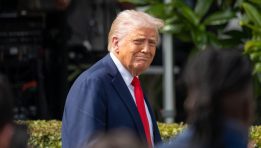
President Donald Trump announced plans Wednesday for South Korea to invest up to $200 billion in U.S. projects, representing the

- omer bar
- •
- 7 Min Read
- •
- ago 20 hours
SKN | ECB Faces Policy Crossroads as Inflation Expectations and Demand Shape Next Rate Decisions
The European Central Bank is assessing whether further interest-rate increases will be required as policymakers balance persistent energy-driven inflation
- ago 20 hours
- •
- 7 Min Read
The European Central Bank is assessing whether further interest-rate increases will be required as policymakers balance persistent energy-driven inflation

- sagi habasov
- •
- 6 Min Read
- •
- ago 21 hours
SKN | S&P 500 and Nasdaq Rise as Cooler Inflation Eases Fed Rate Hike Expectations
US stocks advanced on Wednesday as a cooler-than-expected inflation reading eased concerns that the Federal Reserve could raise interest
- ago 21 hours
- •
- 6 Min Read

US stocks advanced on Wednesday as a cooler-than-expected inflation reading eased concerns that the Federal Reserve could raise interest

