





- sagi habasov
- •
- 6 Min Read
- •
- 16 minutes ago


Key Points
- The S&P 500 gained 0.36% and the Nasdaq rose 0.86% as softer-than-expected US inflation reduced expectations for a Federal Reserve rate hike in October.
- The August PCE price index increased 3.4% annually, below the 3.7% estimate from economists polled by Reuters.
- US second-quarter GDP was revised higher to a 2.2% annualized rate, supported by consumer spending and investment in AI infrastructure.
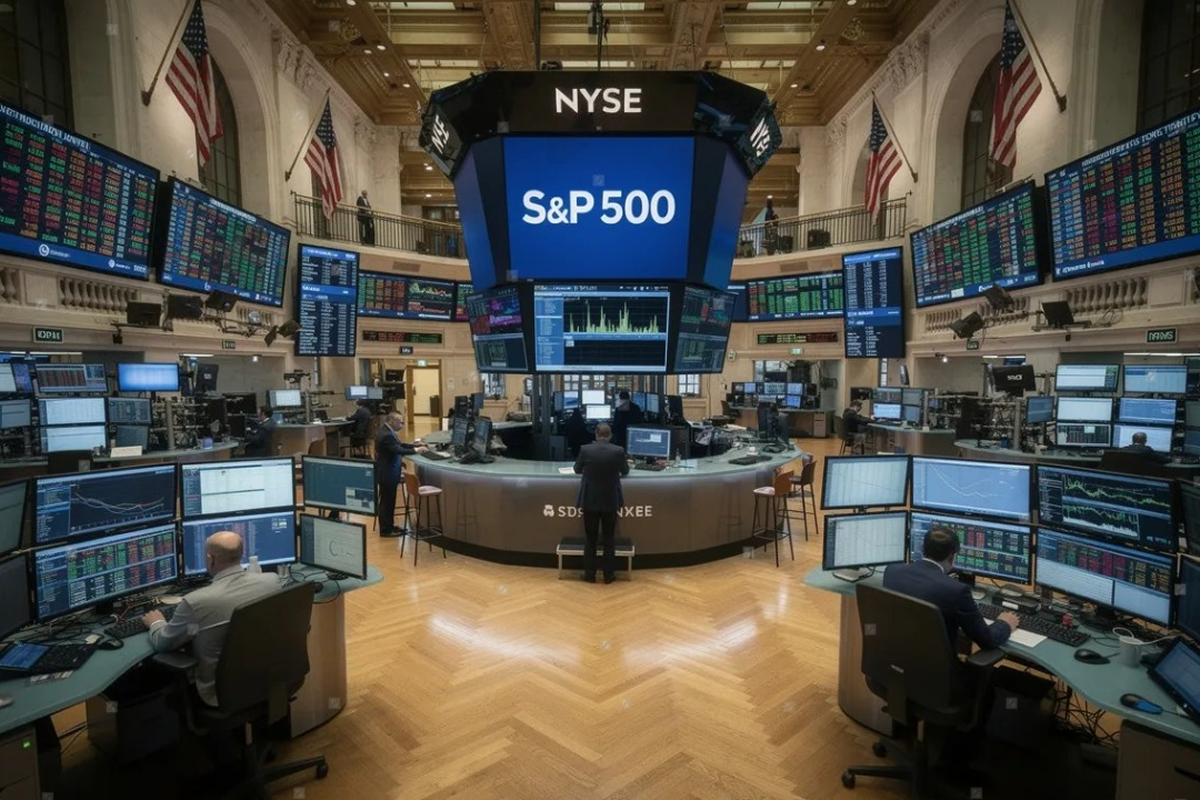
US stocks advanced on Wednesday as a cooler-than-expected inflation reading eased concerns that the Federal Reserve could raise interest rates again in October. The S&P 500 and Nasdaq were also on track to record their second consecutive quarterly gains, underscoring the importance of inflation and monetary policy expectations for equity valuations.
Cooler PCE Inflation Changes the Rate Outlook
The US Commerce Department reported that the Personal Consumption Expenditures Price Index rose 3.4% year over year in August, below the 3.7% increase expected by economists polled by Reuters. The reading provided financial markets with evidence that inflationary pressures were not accelerating as quickly as previously anticipated.
The PCE index is closely monitored by the Federal Reserve as a measure of consumer-price pressures. A softer reading can reduce expectations for additional monetary tightening, potentially supporting valuations for equities and other assets that are sensitive to borrowing costs.
The market response was reflected in the major indexes. The Dow Jones Industrial Average declined 0.28%, while the S&P 500 advanced 0.36% and the Nasdaq gained 0.86%. The stronger performance of the Nasdaq reflected the sensitivity of technology and growth stocks to changes in interest-rate expectations.
Economic Growth Remains Resilient
At the same time, the inflation data did not signal a significant deterioration in economic activity. The final reading for second-quarter US GDP was revised upward to a 2.2% annualized rate, supported by solid consumer spending and investment.
Investment associated with the rapid expansion of AI infrastructure also contributed to economic activity. The combination of continued growth and moderating inflation creates a more complex environment for policymakers because it provides less immediate evidence of an economic slowdown that would require substantially easier monetary policy.
For equity markets, resilient economic activity can support corporate earnings expectations, while moderating inflation can reduce pressure on interest rates. The interaction between those two forces remains important for determining how investors value technology companies and other growth-oriented assets.
September Gains Put Markets on Track for Another Strong Quarter
The latest gains put the S&P 500 and Nasdaq on course to finish September with monthly advances and to record their second consecutive quarterly gains. The performance comes despite ongoing uncertainty surrounding inflation, monetary policy and geopolitical developments that have contributed to volatility across global markets.
For investors in Israel and global markets, the next stage will depend on whether the softer inflation trend continues while economic growth remains resilient. Future PCE readings, employment data, Treasury yields and Federal Reserve policy signals will remain important indicators for assessing the probability of further rate increases. At the same time, the contribution of AI-related investment to US growth will remain a significant factor as markets evaluate whether strong technology-sector spending can continue supporting economic activity and corporate expectations.
Comparison, examination, and analysis between investment houses
Leave your details, and an expert from our team will get back to you as soon as possible
* This article, in whole or in part, does not contain any promise of investment returns, nor does it constitute professional advice to make investments in any particular field.
To read more about the full disclaimer, click here
- Ronny Mor
- •
- 6 Min Read
- •
- ago 16 minutes
SKN | Fed Rate Hike Expectations Fade for October as US Inflation Comes in Below Forecast
Expectations for another Federal Reserve interest-rate increase in October weakened on Wednesday after US inflation data came in below
- ago 16 minutes
- •
- 6 Min Read
Expectations for another Federal Reserve interest-rate increase in October weakened on Wednesday after US inflation data came in below

- Arik Arkadi Sluzki
- •
- 6 Min Read
- •
- ago 16 minutes
SKN | US Inflation Cools More Than Expected in August, Giving the Fed More Room to Wait
US inflation increased less than expected in August, providing the Federal Reserve with additional room to delay another interest-rate
- ago 16 minutes
- •
- 6 Min Read
US inflation increased less than expected in August, providing the Federal Reserve with additional room to delay another interest-rate

- sagi habasov
- •
- 7 Min Read
- •
- ago 1 hour
SKN | U.S. PCE Inflation Cools to 3.4% as Core Measure Holds at 3.0% — Is Fed Rate-Hike Pressure Easing?
Industrial Growth Loses Momentum U.S. industrial production showed no monthly growth in August, according to data released by the Federal
- ago 1 hour
- •
- 7 Min Read

Industrial Growth Loses Momentum U.S. industrial production showed no monthly growth in August, according to data released by the Federal
- Ronny Mor
- •
- 6 Min Read
- •
- ago 4 hours
SKN | Could Cooler PCE Inflation Reduce Pressure for Another Fed Rate Hike?
Did U.S. Inflation Cool More Than Expected? The Federal Reserve’s preferred inflation gauge delivered a softer-than-expected reading for August, potentially
- ago 4 hours
- •
- 6 Min Read

Did U.S. Inflation Cool More Than Expected? The Federal Reserve’s preferred inflation gauge delivered a softer-than-expected reading for August, potentially

